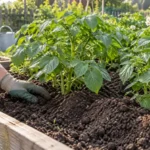

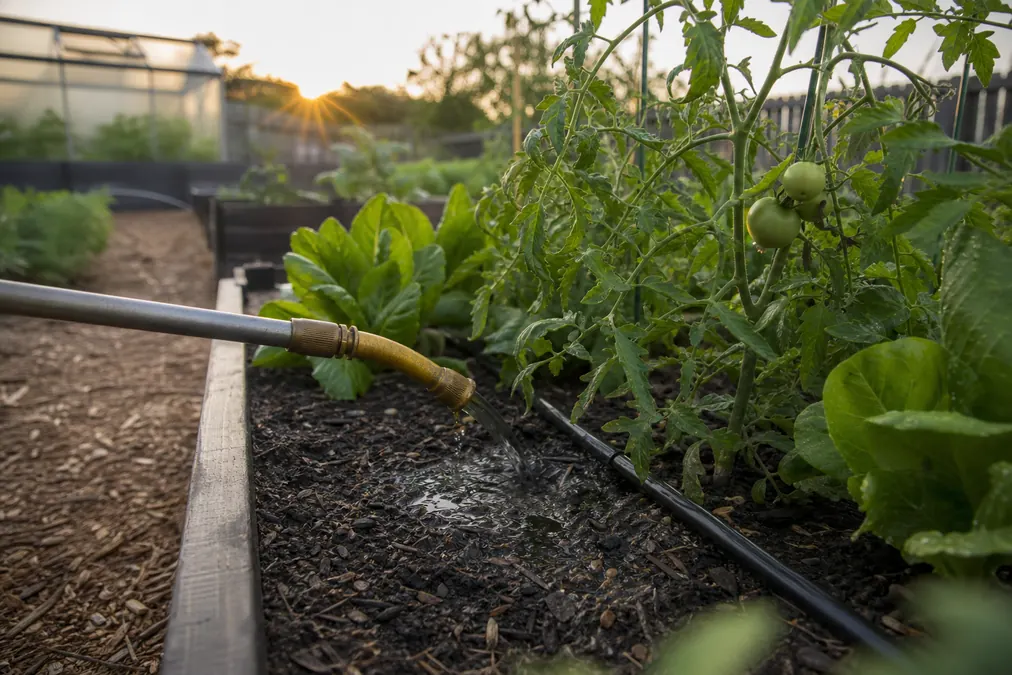
The best time for watering garden beds is early morning, before sun and wind pull moisture off the soil surface. Water can soak downward as leaves dry quickly, roots wake into a moist zone, and the bed smells clean instead of sour or swampy.
Timing is only half of the job. A 6 a.m. shower that wets leaves and runs down the path does less good than a 7 a.m. soak placed slowly at the stem line. The clock sets the opportunity; soil texture, delivery method, mulch, and plant condition decide whether water reaches roots or disappears from the top inch.
Key Takeaways
- Water early before heat pulls moisture off soil.
- Check two inches down before changing the schedule.
- Soak slowly so roots receive water below mulch.
- Avoid leaf-wetting at dusk during humid weather.
- Reset timing after heat waves, storms, and transplanting.
Table of Contents
Best Time for Watering Garden Beds – Morning Gives Roots the Cleanest Window
Morning watering works because the bed is cool, air movement is usually lower, and plants can use the moisture during the day. Water placed at soil level before 10 a.m. has more time to move below the mulch before heat turns the surface into a drying crust.
The strongest window for most home gardens is from first light to about 9 a.m. In hot regions, that may mean 5:30 to 7:30 a.m. In cooler coastal or northern gardens, the useful window may stretch later. The goal is not a magic hour; it is a damp root zone before the plant starts its heaviest daytime water pull.
For lower evaporative loss, outdoor watering tips from EPA WaterSense favor early-day irrigation and water placed where plants can use it. That advice fits garden beds as well as landscapes. Water on hot pavement, bare paths, or leaf surfaces is not feeding roots.
What morning changes in the bed
Cool soil accepts water more calmly than overheated soil. A slow stream darkens the mulch, then forms a wider, dull ring around the stem as it spreads. If the surface turns shiny and water creeps sideways, the delivery rate is too fast for that soil, even when the timing is right.
Morning also gives leaves time to dry after accidental splash. Wet leaves held through the night raise disease pressure in crowded crops, especially tomatoes, cucumbers, squash, beans, and basil. Root-zone delivery solves most of that risk because the foliage never becomes the target.
University of Minnesota Extension’s water-wise garden guidance ties smart watering to soil checks, mulch, and delivery method along with the clock. That combination matters. A cool morning helps only when water is applied slowly enough to move downward.
Watering Window Check
Evening Watering Plants – The Useful Backup and the Disease Trap
Evening watering can save a garden during heat, travel gaps, or a missed morning. The air cools, plants stop losing water as fast, and containers that felt feather-light at 4 p.m. can recover overnight. The risk appears when water sits on leaves after dark or heavy soil stays wet and airless around roots.
Use evening as a root-zone rescue, not a habit that drenches foliage. Keep the stream low, water the soil in a ring around the plant, and stop before paths puddle. If the leaves are dusty or limp, resist the urge to rinse them at sunset. In humid weather, a leaf that stays wet all night becomes a soft landing place for fungal spores.
Evening is also a poor time to correct a bed that was already watered that morning. If the soil is damp two inches down, more water can push oxygen out of the root zone. Yellowing lower leaves, soft stems, algae on the soil surface, and a sour smell after watering point toward the patterns covered in signs of overwatering plants.
| Evening situation | Best action | What to avoid |
|---|---|---|
| Container is light and leaves droop | Soak the pot until water exits drainage holes | Leaving a saucer full overnight |
| Tomatoes wilt after a hot afternoon | Check soil two inches down before watering | Spraying leaves at dusk |
| New transplant was missed in morning | Water the root ball slowly at soil level | Flooding the whole bed |
| Humid, still evening after rain | Wait unless soil is dry below mulch | Adding more leaf moisture |
Evening watering is most useful when the plant shows a real moisture shortage and the soil confirms it. If leaves perk up after sunset without added water, the plant may have been managing afternoon heat, not drying soil. That difference keeps many gardeners from watering twice for the same stress signal.
Midday Watering – Heat, Evaporation, and Emergency Exceptions
Midday is the weakest regular watering time because sun, heat, and wind pull moisture from the surface before it can settle. Bare soil can flash from dark to pale in minutes, and a fine spray can drift away before it touches the bed. The plant sees little benefit, and the water bill still moves.
Emergency watering is different. A seedling collapsing in a tray, a hanging basket that has pulled away from the pot wall, or a newly planted pepper with leaves hanging like wet cloth should not wait until tomorrow. Move shade over the plant if possible, water slowly at the base, and return later to see whether the root ball actually rehydrated.
The damage from midday watering often comes from delivery, not from sunlight touching wet leaves. A hard spray knocks soil onto leaves, seals a crust over fine seed rows, and sends water across the surface toward the path. A gentle wand, drip line, or soaker hose is the better rescue tool. For beds with runoff, garden watering that reaches the root zone usually depends on slower delivery and repeated short cycles.
When midday water is worth it
Water during the day when the plant cannot wait, then make the next planned watering early morning. Seedlings, recent transplants, shallow containers, and heat-trapped balcony pots are the usual exceptions. Established in-ground crops should be checked below the surface before any emergency soak.
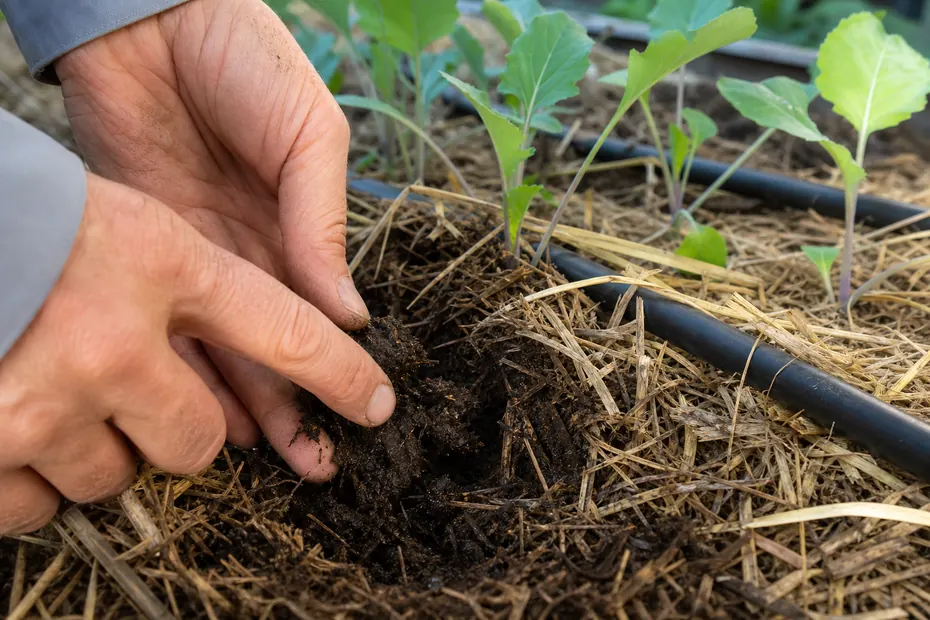
One thinking question helps: if you dig with one finger near the drip line, does the soil feel cool and slightly clumped below the dry top layer? If yes, shade and time may solve the droop. If the soil is dusty below mulch and the plant is limp before noon, water now.
Root-Zone Watering – Soil Texture Decides How Long Water Must Soak
The clock cannot fix a watering method that stops in the top inch. Roots need a moist band below the surface, and that depth changes with crop, soil, and season. Lettuce and radishes use shallow moisture quickly. Tomatoes, peppers, beans, squash, and fruiting crops benefit from water moving deeper into the bed.
University of Minnesota Extension’s vegetable guidance often uses the soil below the surface as the test, not the look of the top crust. A garden can look dry at noon even with a cool root zone under mulch. The opposite also happens after a brief shower: the top half inch looks refreshed, and the root zone stays powdery.
Soil texture changes the runtime. Sandy soil accepts water quickly and drains fast, so shorter sessions may need to repeat more often. Clay accepts water slowly and holds it longer, so a long blast creates runoff before the lower bed wets evenly. Loam gives the easiest signal: dark, crumbly soil that holds a loose clump, then breaks with light pressure.
University of California IPM also treats watering as a soil-and-root problem, with watering guidance for garden plants built around plant need, soil condition, and disease risk. That fits the field test: the right time still fails when the water never reaches the active root zone.
| Soil or setup | Morning watering pattern | Root-zone signal |
|---|---|---|
| Sandy bed | Shorter soak, checked more often | Moist two to four inches down by midmorning |
| Clay bed | Slow cycles with pauses between | No shine or sideways flow on the surface |
| Mulched loam | Deep soak when lower layer begins drying | Cool crumbs below mulch, no sour smell |
| Container mix | Early soak until drainage starts | Pot feels heavier, drainage clears, foliage firms |
Pro Tip: Place a tuna can or shallow cup beside a sprinkler for one watering. If the cup collects water and the soil under mulch stays dry, the sprinkler pattern is hitting the wrong surface or running too briefly.
Mulch makes timing more forgiving because it shields the wetting zone from sun and wind. Straw, shredded leaves, pine needles, or fine wood mulch can slow the surface dry-down so morning water keeps working into the day. Thick mulch piled against stems can trap dampness, so leave a small breathing ring around crowns.
Season and Container Timing – Adjust the Clock to the Plant
A spring garden does not drink like a July garden. Cool soil, short days, and young roots may need less frequent water even when the surface looks dry. By midsummer, the same bed can dry two inches down between breakfast and dinner, especially near paths, reflected walls, or south-facing fences.
Containers shift even faster. Potting mix warms from the sides, drains below the root ball, and dries from the exposed top. Container garden placement changes watering timing because wind, afternoon sun, wall heat, and pot color all change how quickly roots lose moisture.
Observation: Gardeners often water containers by calendar longer than they water beds by calendar. The pot tells the truth better than the date. Lift it before watering. A dry pot feels sharp and hollow in the hand; a well-watered pot has weight and a cool bottom edge.
Seasonal timing also changes after storms. A half inch of fast rain can wet leaves, mulch, and the top skin of soil without reaching deeper roots. A slow overnight rain may replace an entire morning watering. Check under the mulch before deciding; storm noise is not the same as root moisture.
Timing by plant condition
Seedlings need smaller, gentler drinks because their roots sit near the surface. Transplants need water around the original root ball until roots push into surrounding soil. Fruiting crops need deeper, less frantic moisture so blossom drop, cracking, and leaf curl do not follow a dry-wet-dry pattern.
Wilting needs diagnosis before the hose comes out. If leaves collapse in the afternoon and recover by sunrise, heat load may be driving the signal. If leaves are limp at dawn and the soil is dry below mulch, the plant has spent the night short on water. The difference is covered in more detail in plant wilting causes and diagnosis.
Watering Mistakes by Time of Day – Habits That Waste the Best Window
The most common mistake is treating morning as permission to water quickly. A fast overhead blast at 7 a.m. still washes soil, wets foliage, misses container edges, and leaves the root zone dry. Timing improves the odds; placement finishes the job.
Surface color creates the second mistake. Mulch and topsoil can dry over a lower bed that still holds enough moisture. Push a finger, trowel, or soil probe two inches down near the plant’s drip line. Damp, cool soil should delay the hose. Dry, loose soil below the surface earns a slow soak.
A light sprinkle creates the third mistake. Shallow watering trains roots near the surface, where heat and wind are harshest. That habit creates plants that beg for water every afternoon. Garden watering myths usually begin with good intentions and end with roots kept too close to the top.
Watch the bed after you water. A clean soak leaves a darker ring that widens quietly, no muddy smell, no leaf drip, and no water racing along the path. If the surface crusts, shines, or puddles, pause for ten minutes and restart at a lower flow.
Where To Start
A vegetable bed can look dry by lunch even when leaves stand firm in the morning. Water between first light and 9 a.m., then check two inches down before adding a second session. Add mulch to the barest spots this week.
Containers that droop hard at 4 p.m. and feel light need a different rhythm. Give them a full early-morning soak until drainage starts, then check weight again late afternoon. Move the hottest pots 2-3 feet out of reflected wall heat if they dry before noon.
Tomatoes that look limp in the afternoon and recover overnight are often showing heat load. Skip the evening leaf spray and test the soil at dawn. If the lower layer is cool, add shade or mulch before you add more water.
New seedlings with patchy growth and crusted soil need gentler delivery. Switch to a morning wand or drip line, and water in short pauses so the surface does not seal. Loosen only the crusted top with your fingers after it softens.
Conclusion
The best watering time is early morning for most garden beds, then evening only when the plant and soil show a real need. If the soil is dry two inches down before breakfast, water slowly at the base. If it is cool and damp under mulch, wait and protect the moisture already there.
Start with a simple cadence: check soil twice a week in mild weather, daily during heat waves, and after every hard rain that runs off quickly. A well-watered bed looks calm by midmorning: dark mulch, firm leaves, no sour smell, and no shiny puddle racing away from the roots.
Frequently Asked Questions
Is morning or evening better for watering plants?
Morning is better for most garden beds because water can soak in before heat rises and leaves have time to dry. Evening works as a backup for dry containers, seedlings, or heat-stressed transplants; keep the water at soil level and avoid wet foliage overnight.
Is it bad to water plants in the middle of the day?
Midday watering is poor as a routine because more moisture is lost to heat, wind, and surface drying. It is still the right move for a collapsing seedling, a dry hanging basket, or a transplant that cannot wait until morning. Use a slow stream at the base.
How long should I water my garden in the morning?
Water long enough for the soil below mulch to feel cool and damp two to four inches down for shallow crops, and deeper for fruiting vegetables. The runtime may be ten minutes with drip in loam or several short cycles in clay where water starts to run sideways.
Should I water my garden every day in hot weather?
Not always. Containers and seedlings may need daily checks during heat. Established beds often do better with deeper morning watering when the lower layer begins drying. If soil is still damp two inches down, shade, mulch, or wind protection may matter more than another drink.