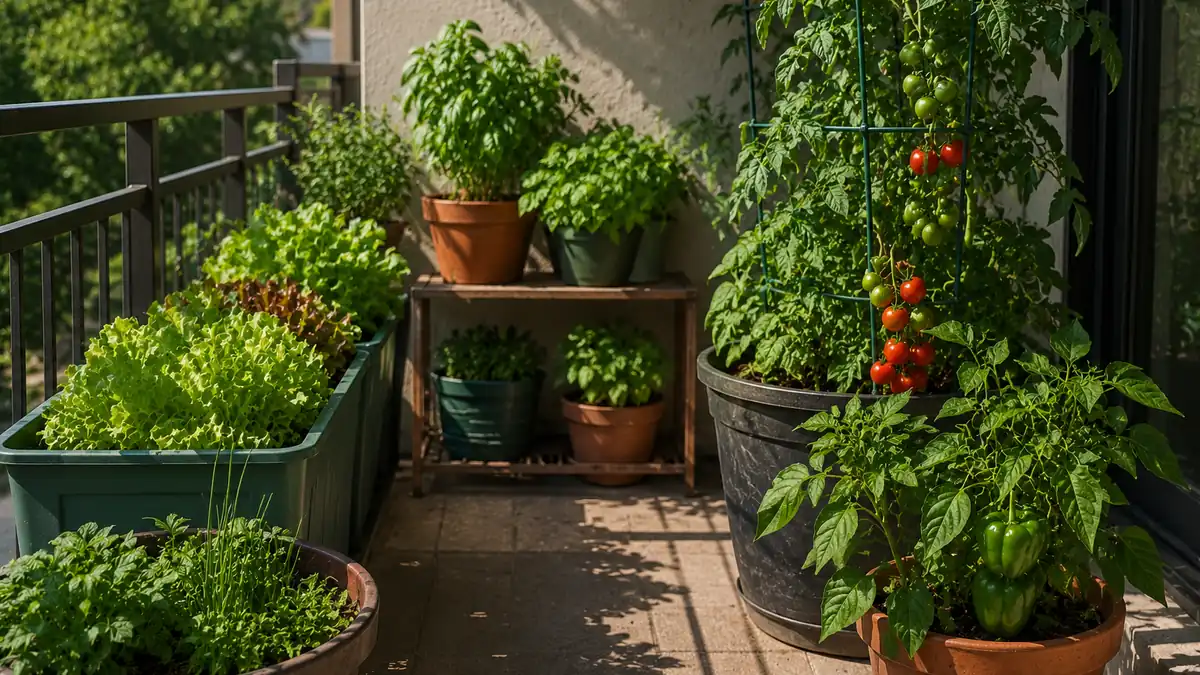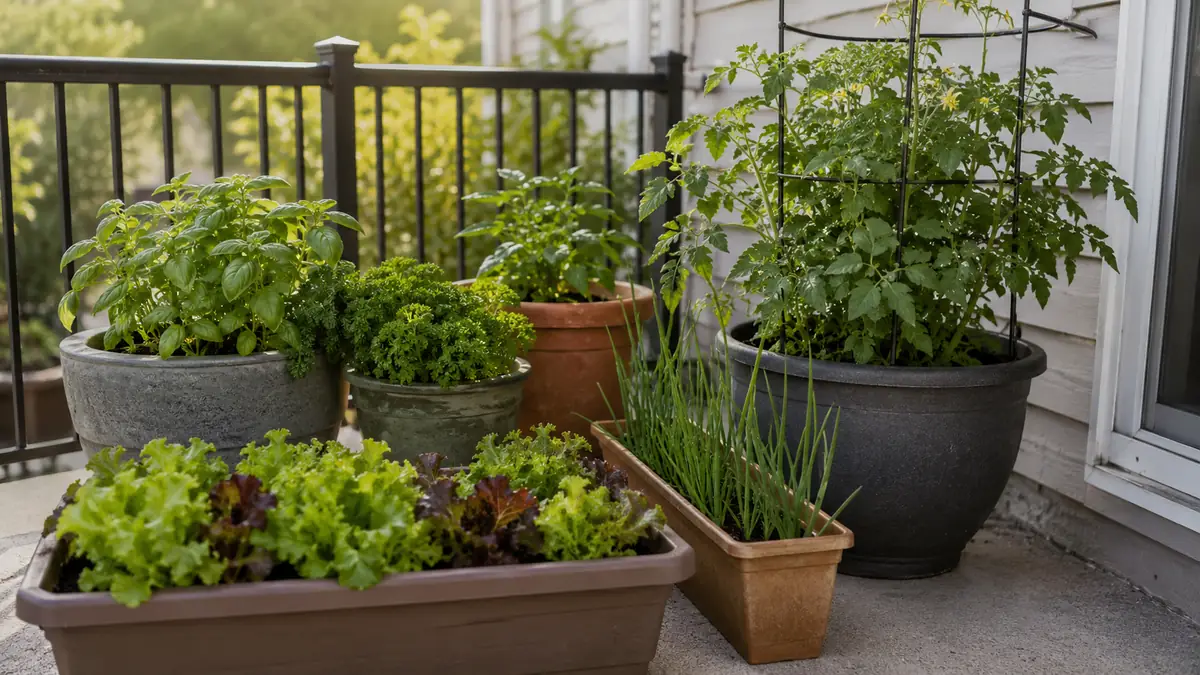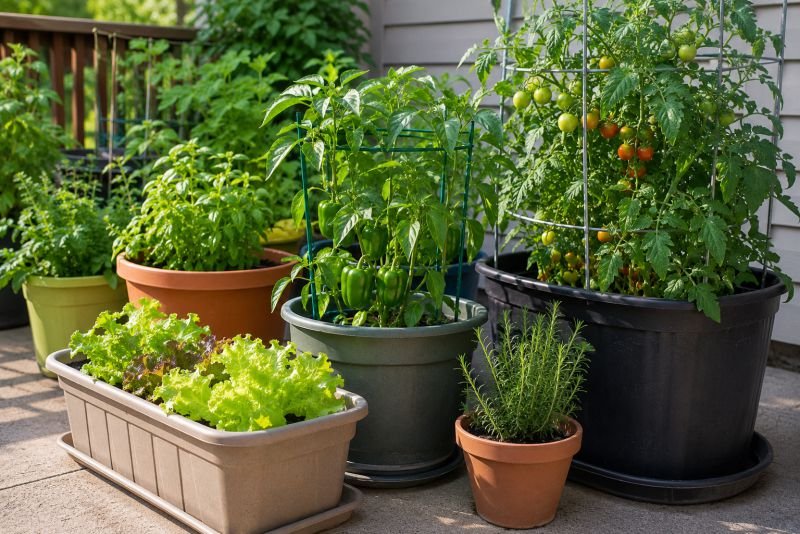

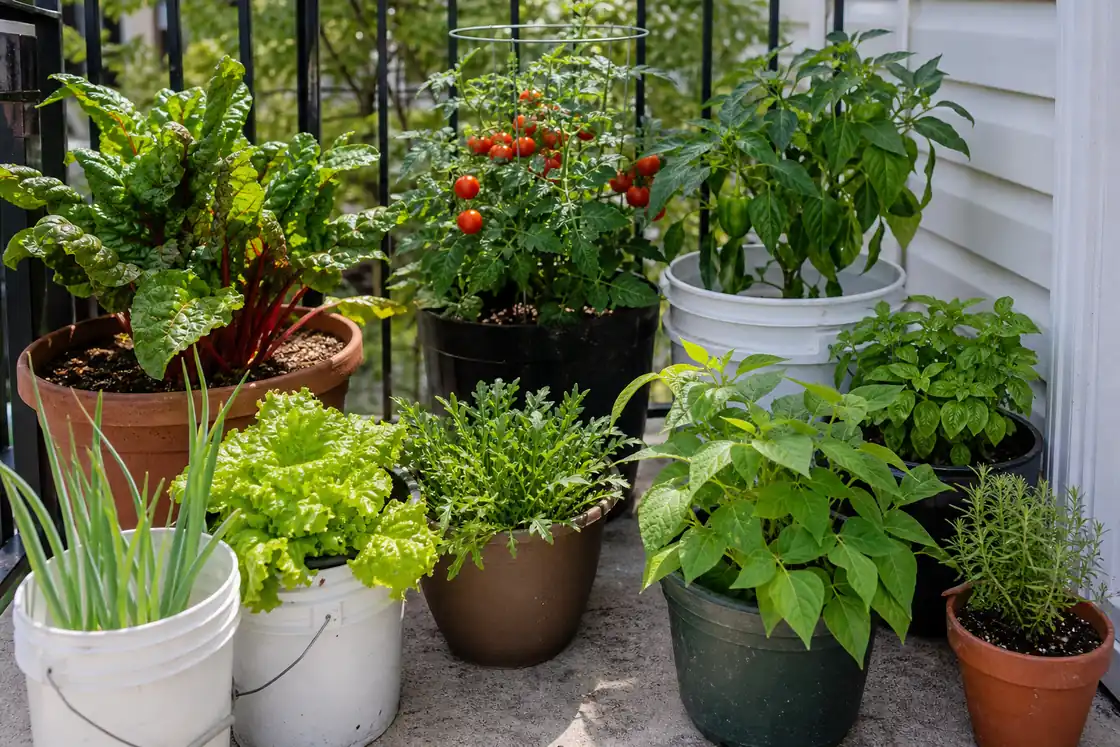
The best container grown vegetables are crops that give a real harvest before the pot becomes hard to water, feed, or keep upright. A tomato covered in flowers can still disappoint in a hot black nursery pot. A row of lettuce in a shallow tub can feed you for weeks from the same square foot. Containers reward compact roots, fast regrowth, repeat harvests, and varieties bred to stay productive in limited soil. Payoff means food, flavor, and reliability from one container before the season asks for more space than the plant has.
Best Container Grown Vegetables Quick Rank
Start with crops that produce quickly or keep producing after each harvest. A 5-gallon bucket is enough for one compact tomato, pepper, eggplant, cucumber, bush bean planting, or leafy-greens mix when drainage, sun, and watering are handled well.
| Rank | Crop | Minimum container | Container-friendly type | Typical first harvest | Why it earns the space |
|---|---|---|---|---|---|
| 1 | Leaf lettuce and arugula | 2 gallons, 4 to 6 inches deep | Loose-leaf and cut-and-come-again mixes | 30 to 45 days | Fast leaves and repeat cutting |
| 2 | Radishes | 2 gallons, at least 6 inches deep | ‘Cherry Belle’ or ‘French Breakfast’ | 22 to 35 days | The quickest full-crop payoff |
| 3 | Green onions | 2 gallons, about 6 inches deep | Bunching onions such as ‘Evergreen Hardy White’ | 50 to 65 days | Dense planting and repeated top harvests |
| 4 | Bush beans | 5 gallons, about 12 inches deep | ‘Porch Pick’ or another compact bush bean | 50 to 60 days | High yield from seed and quick turnover |
| 5 | Swiss chard | 5 gallons, 10 to 12 inches deep | ‘Bright Lights’ or another compact chard | 30 days for baby leaves; 50 to 60 days full size | Outer leaves regrow after picking |
| 6 | Cherry tomato | 5 gallons, 12 to 18 inches deep | ‘Patio’, ‘Tumbler’, ‘Veranda Red’, or a dwarf cherry | 60 to 75 days from transplant | A long harvest from one plant |
| 7 | Peppers | 5 gallons, about 12 inches deep | A compact sweet or hot pepper | 60 to 85 days from transplant | Repeated picking from a compact plant |
| 8 | Bush cucumber | 5 gallons, at least 12 inches deep | ‘Patio Snacker’ or another bush type | 50 to 60 days | Fast fruit without a full-length vine |
| 9 | Eggplant | 5 gallons, 12 to 18 inches deep | ‘Patio Baby’ or another compact type | 55 to 75 days from transplant | Several high-value fruits from one plant |
| 10 | Small carrots | 3 to 5 gallons, depth matched to root length | ‘Little Finger’ or a round-rooted type | 55 to 70 days | Reliable roots in loose container mix |
Harvest windows are approximate. Seed packet timing, temperature, transplant age, and the point at which you prefer to pick can move the first harvest earlier or later.
Key Takeaways
- Choose repeat harvests before one-time bulky crops.
- Use 5-gallon buckets for fruiting vegetables.
- Pick dwarf, bush, patio, or compact varieties first.
- Avoid corn and large melons in small containers.
- Check moisture daily once fruiting crops size up.
Table of Contents
Best Container Grown Vegetables By Harvest Payoff
A good container crop pays rent in one of three ways: fast harvest, repeat harvest, or expensive flavor from a small footprint. Leaf crops win on speed. Cherry tomatoes, peppers, and eggplants win on long harvest. Herbs and green onions win because a few cut stems can change a meal.
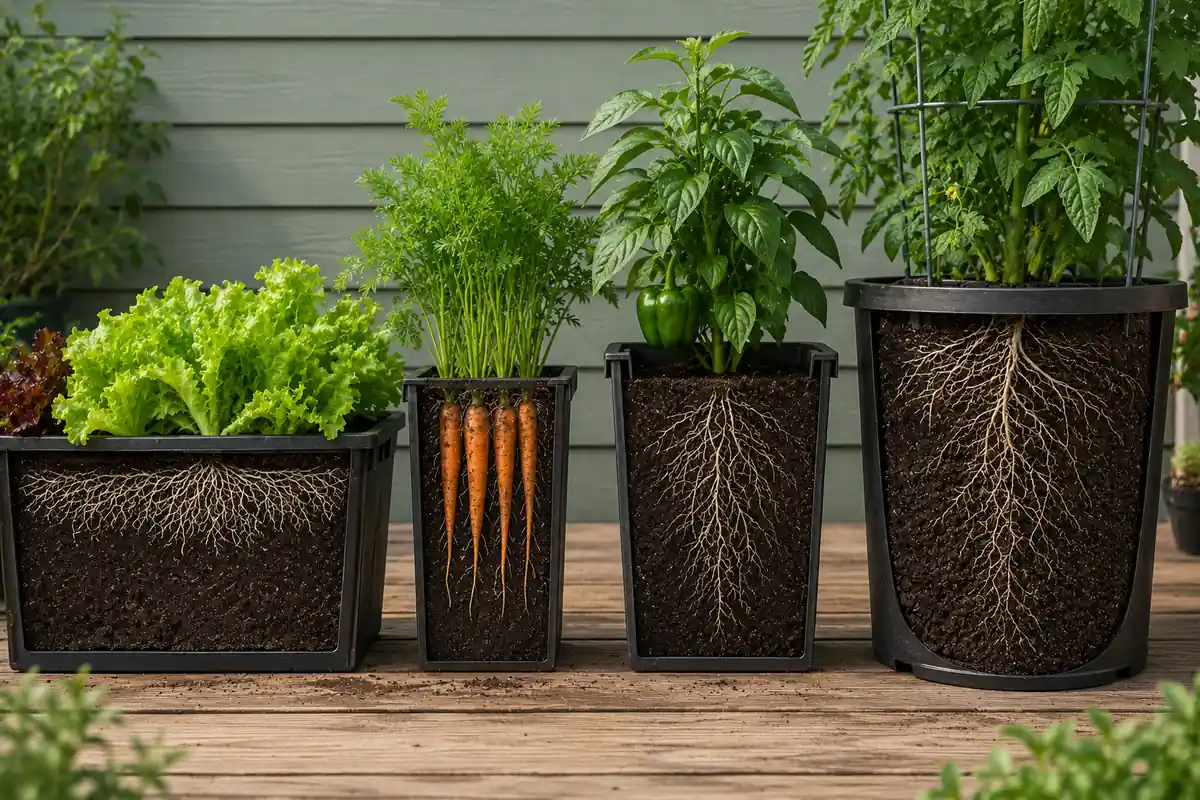
That payoff lens matters because a container has a fixed root volume. A useful container benchmark is at least two gallons and 4 to 6 inches of depth for smaller crops such as lettuce, spinach, peas, radishes, cilantro, and green onions. Larger vegetables such as tomatoes, peppers, eggplants, squash, cucumbers, broccoli, and bush beans need at least five gallons and 12 to 18 inches. The practical split is simple: shallow containers should grow quick leaves and roots; deep containers should carry crops that keep producing.
Container vegetables also live closer to heat, reflected light, and drying wind than plants in the ground. A patio tomato can look strong in June and run short of water by July because the leaf canopy has doubled and the potting mix is warm all the way through. The crop list should respect that pressure before variety names enter the decision.
Light and spacing can eliminate the advantage of a well-sized pot. Use the crop’s mature spread and daily sun exposure when matching container vegetables to pot size, light, and space, especially when several pots share a narrow balcony or patio edge.
For detailed sizing, use a dedicated container pot size by crop chart. The deciding question here is which crops earn a container, which ones work in a 5-gallon bucket, and which ones usually ask for more root room than a beginner container setup can give.
Leafy Greens And Radishes Give The Fastest Return
Leaf lettuce, arugula, spinach, mustard greens, baby kale, green onions, and radishes are the easiest container vegetables to justify because they start fast and finish before root pressure builds. A shallow tub can carry salad greens with less trouble than a deep pot carrying one underfed tomato. The first harvest may come as a small handful, then the container keeps paying as outer leaves are cut and the center grows again.
Loose potting mix helps root crops because the root can expand without hitting stones or compacted soil. Carrots, beets, and radishes need 2 to 4 inches of spacing in containers so roots form properly. That spacing feels generous at seedling stage. Crowded roots turn woody, split, or stay thin.
Radishes are the best beginner test crop. They show quickly whether the container dries too fast, whether the mix crusts, and whether the gardener is watering deeply enough. A radish with a crisp snap and a smooth shoulder usually means the container rhythm is working. A hot, pithy, skinny radish usually means heat, crowding, or uneven moisture took over.
Salad greens also handle partial shade more reliably than fruiting crops. Warm-season crops such as tomato, pepper, eggplant, and squash need 6 to 8 hours of direct sun. Cool-season crops such as lettuce, spinach, and Asian greens can use 3 to 5 hours. That makes greens the safer first choice for a balcony that receives morning sun and afternoon shade.
5-Gallon Bucket Vegetables With The Best Odds
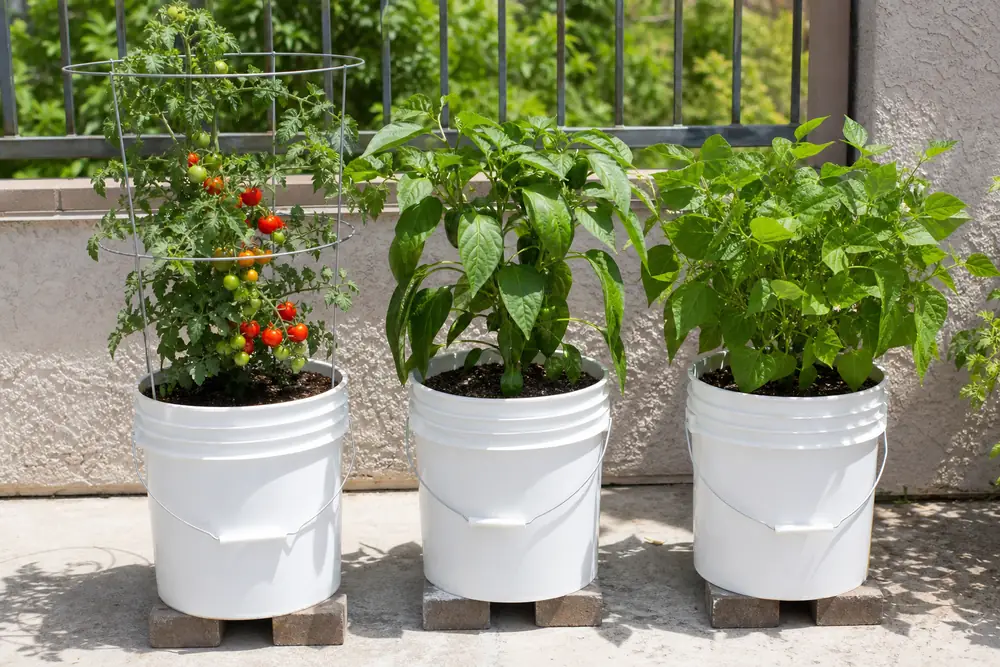
A 5-gallon bucket is the most useful home scale for fruiting vegetables because it holds enough mix to buffer daily water swings without becoming impossible to move. One bucket should usually hold one large plant or a small group of shallow crops. Crowding two tomatoes, three peppers, or a full squash vine into one bucket turns watering into a daily rescue job.
| 5-gallon crop | Best type | Support | Main watch point |
|---|---|---|---|
| Cherry tomato | Compact determinate, patio, dwarf, or compact cherry | Cage or stake | Daily water in heat |
| Pepper | Compact sweet or hot pepper | Short stake if fruit loads heavily | Blossom drop during heat stress |
| Eggplant | Patio or compact type | Stake before fruit forms | Fast drying in black pots |
| Bush beans | Bush or compact snap bean | Usually none | Succession sowing for longer harvest |
| Bush cucumber | Patio, bush, or compact pickling type | Short trellis or cage | Moisture swings and hidden fruit |
| Swiss chard | Standard or compact chard | None | Outer-leaf harvest keeps it producing |
A 5-gallon bucket can work as a vegetable container when it has drainage holes. That hole is not a detail to skip. A bucket with no drainage turns heavy rain into a root-oxygen problem, especially when a saucer or patio surface holds water around the base.
Use food-safe buckets when the crop is edible. Drill several holes in the bottom and lift the bucket slightly so water can leave. If the bucket sits flat on concrete, the holes can seal against the surface and behave like no holes at all. Pot feet, bricks, or small blocks give the water somewhere to go.
Container-grown cucumbers need the same crop-specific support logic as bed-grown cucumbers. A compact cucumber can fit a bucket when it has a short trellis, cage, or railing support; a long vining cucumber will be easier in a larger tub. The planting and summer-care details in how to grow cucumbers still apply, especially warmth, water, and harvest timing.
Compact Varieties Decide Whether Container Vegetables Stay Productive
Variety choice changes container success more than many beginners expect. A full-size slicing tomato and a patio cherry tomato may both fit in a 5-gallon bucket on planting day. By midsummer, the full-size plant can need more staking, water, and root room than the bucket can supply. The patio type usually stays closer to the container’s limits.
Look first for bush or dwarf varieties for container crops. Container-suited options include ‘Porch Pick’ beans, ‘Little Finger’ carrots, ‘Patio Snacker’ cucumbers, ‘Patio Baby’ eggplant, ‘Sugar Ann’ peas, and compact tomato varieties such as ‘Patio’, ‘Tumbler’, and ‘Veranda Red’. Those names are useful because they show the pattern: shorter vines, smaller roots, concentrated harvest, or trailing growth that fits a pot.
The label words matter. Dwarf usually means shorter plant structure. Determinate describes a tomato whose main shoots end in flower clusters and whose crop ripens in a more concentrated window, but some determinate plants still grow too large for a small pot. Look for compact, dwarf, patio, or container wording as the stronger size signal. Bush usually means shorter vines or self-supporting growth. None of those labels removes the need for sun, water, and feeding. They make the container less punishing.
Observation: Beginners often buy the biggest seedling because it looks closest to harvest. Smaller compact transplants usually settle into containers faster because they lose less water before the roots leave the original nursery plug.
Container Vegetables That Need More Space Than They Seem
Some vegetables can technically grow in containers and still make poor beginner choices. Corn, full-size melons, pumpkins, large potatoes, sprawling winter squash, and long-vine watermelons ask for more root volume, pollination support, vertical strength, or season-long water than most patio setups can provide.
Corn is the clearest example. One stalk in a pot is not a crop; corn needs a group for pollination and enough root room to stay upright. A container large enough to make corn worthwhile starts acting more like a raised bed. The same problem shows up with big melons and pumpkins. The vine may grow, flower, and look promising. Then the container cannot keep up with water demand and fruit load.
Potatoes need a caveat. They can grow in bags, buckets, or deep tubs. They use a large volume of mix for a harvest that may not beat the cost of the container and soil. Small new potatoes can be fun. A maximum-yield potato container is a different project from a high-payoff patio vegetable list.
For root-depth decisions, the existing container depth by vegetable root type chart gives the crop-by-crop root categories. The short rule is that deep roots, long vines, and heavy fruit all raise the container difficulty at the same time.
Container Vegetable Gardening Setup That Protects The Winners
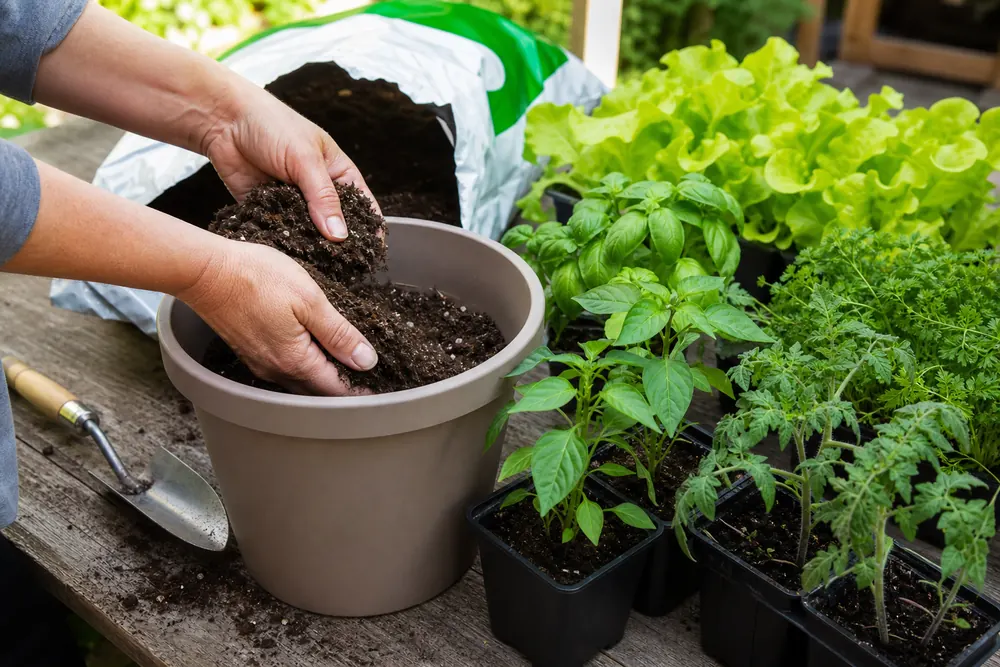
The best crop list still fails in bad potting mix. Container roots cannot move sideways into cooler soil or deeper moisture. They live inside the volume you give them, so the mix has to hold water, drain excess water, and keep enough air around roots after irrigation.
Commercial soilless mixes are usually lightweight, well-drained blends made from ingredients such as peat moss, perlite, vermiculite, composted bark, compost, or coconut coir. Garden soil is too dense for containers and can drown roots in shallow pots. That is why a container filled with yard soil can look wet on top and still grow weak vegetables.
Container stress is partly a water-storage problem. Limited media volume makes moisture one of the most common failure points, and plants need more water as they grow larger or weather turns hot. That push and pull explains why both underwatering and overwatering can happen in the same pot within a short window.
The soil mix details in best soil mix for container gardening matter most for fruiting crops. Lettuce can forgive a mediocre tub for a few weeks. Tomatoes, peppers, eggplants, and cucumbers live in the pot long enough to expose every weakness in drainage, compaction, fertility, and watering.
Best Vegetables To Grow In Pots For Beginners
The safest beginner container starts with two wins: a fast crop and a longer crop. Plant lettuce, arugula, radishes, or green onions in one shallow container. Put one cherry tomato, pepper, bush bean, or compact cucumber in a 5-gallon bucket or larger pot. The quick crop teaches watering rhythm before the fruiting crop reaches its thirstiest stage.
Place the container where it receives the light the crop actually needs. Warm-season fruiting crops need the sunniest site available. Greens can use a cooler edge when summer heat arrives. The existing guide to container gardening for beginners is the better place for setup basics such as pot choice, drainage, and first-season scale.
Water slowly until water leaves the drainage holes, then let the surface begin to dry before watering again. Shallow watering is less effective than one longer watering that moves through the container. That rhythm matters more as plants enlarge, because leaf area increases water demand faster than the bucket looks from the outside.
Keep the first season narrow. One tub of greens, one bucket tomato, one pepper, and one herb pot will teach more than ten crowded containers. By August, the productive containers will show themselves: leaves regrow, fruit sets, roots stay moist without sour smell, and harvest happens before the plant looks exhausted.
Conclusion
Start with one fast container and one deep container. The fast container should teach harvest rhythm with greens or radishes. The deep container should carry one fruiting crop that repays daily care, such as a cherry tomato, pepper, eggplant, bush bean planting, or compact cucumber.
If the pot dries by midday, wilts in full sun, or needs feeding every few days to keep growing, the crop is telling you the container is too small for that job. When the match is right, the signal is calmer: cool leaves after watering, firm new growth, and a container that gives dinner something fresh without asking for a whole garden bed.