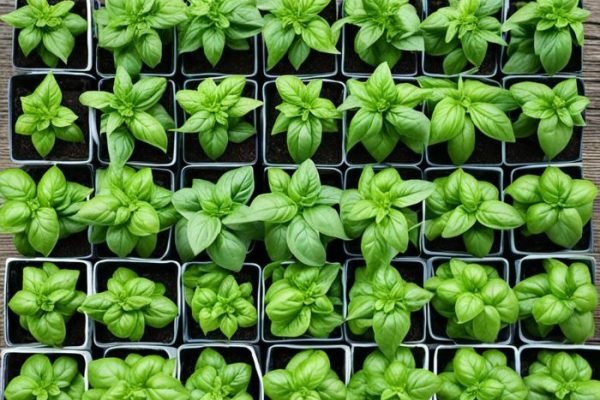




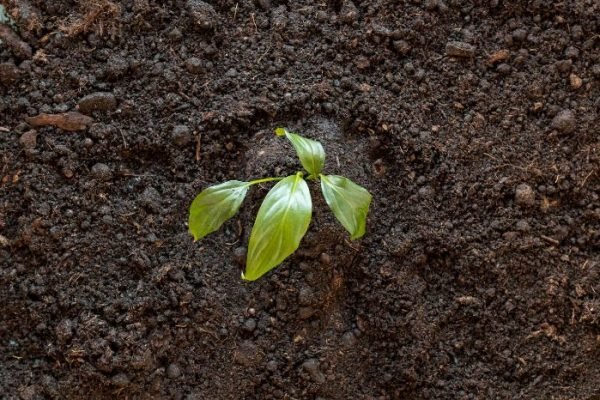
Overhead view of multiple basil plants in small pots, illustrating the variety of basil types and their culinary uses for a blog post on basil.

Basil Varieties – Distinct Flavors and Culinary Roles Explained

Basil represents a complex genus within the mint family, exhibiting marked diversity in flavor chemistry, leaf morphology, and culinary applications. Each cultivated variety expresses a unique profile of aromatic compounds, driving its preferred use in global cuisine. Understanding these distinctions allows for deliberate selection and pairing, advancing both flavor precision and cultural authenticity in cooking….

Read More
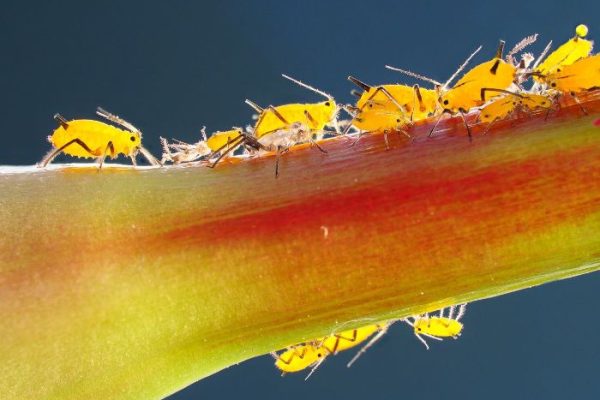
Close-up of yellow aphids on a plant stem, illustrating the topic of Integrated Pest Management (IPM) for gardeners.

What Is IPM Gardening? An Introduction to Integrated Pest Management

Integrated Pest Management (IPM) is a practical approach to controlling garden pests while reducing reliance on chemical pesticides. Instead of treating pests as isolated problems, IPM focuses on prevention, monitoring, and long-term balance in the garden ecosystem. IPM gardening combines multiple methods, including cultural practices, biological controls such as beneficial insects, mechanical solutions, and targeted…

Read More
A snowy forest of pine trees under a blue sky, illustrating the diversity of pine tree species and their unique characteristics.

Pine Tree Species – Diversity, Distinct Traits, and Landscape Benefits

Pine trees display substantial variation in structure, adaptation, and ecological function. Each species within the Pinus genus expresses distinct growth forms, needle configurations, and bark textures, influencing both their role in native habitats and their value in landscape design. Selecting appropriate pine species requires understanding these differentiating characteristics and their performance across climate zones, soil…

Read More