

When to plant peas is a soil decision before it is a calendar decision. The old St. Patrick’s Day rule still has charm, especially in gardens where March feels like the first real breath of spring. Peas care more about the bed under your boots than the date on the wall. If the soil breaks apart in damp crumbs, the row is close. If it smears into a slick ribbon on your fingers, the seed will sit in cold mud and lose its edge before roots form.
Peas reward the gardener who starts early without forcing a frozen bed. The seed is tough enough for cool weather, the seedlings can handle light frost, and the crop needs those mild weeks before summer heat shuts down flowering. The trick is planting as early as the soil allows, then protecting that first row from the two things peas hate most at sowing time: stagnant wetness and heat arriving before pods fill.
Plant Peas When These 4 Signals Line Up
Sow peas when the bed is thawed, crumbly, and no longer waterlogged. The usual spring window is 2 to 4 weeks before your last expected frost; fall sowing works about 8 to 10 weeks before first frost, only if heat is starting to break.
Key Takeaways
- Plant when soil crumbles before it smears wet.
- Count spring sowing 2 to 4 weeks before frost.
- Avoid cold mud even when the calendar says go.
- Check soil again after heavy rain or snowmelt.
- Plan fall peas before summer heat fully leaves.
Table of Contents
Plant Peas When The Soil Crumbles In Your Hand
Pea seed can sit through cold better than many vegetables. Cold and wet together are the failure point. A dry, cold bed warms slowly and still lets oxygen reach the seed. A saturated bed seals around it. The surface may look calm, then the seed coat softens in low-oxygen soil and rot begins before a root can push out.
The simplest test is still the best one. Dig a handful from sowing depth, squeeze it, then press it with a finger. Ready soil holds together for a second and breaks into rough crumbs. Soil that smears shiny across your palm needs time. That smear tells you the pore spaces are filled with water, which slows oxygen movement and makes early germination uneven.
For temperature, 40 F is the floor, not the sweet spot. Planting above 40 F and faster emergence around 55 to 65 F give the seed a better start in cool soil. That range matters because a seed that emerges in 7 to 10 days usually outruns birds, crusting soil, and early weeds. A seed that sits for three damp weeks has more chances to decay or disappear.
Set the soil thermometer 1 to 2 inches deep directly in the row. Measure in the morning for the coldest useful reading, then check again after a warm afternoon if the bed is borderline. The wider rules for soil temperature for planting still apply here: the seed experiences the soil around it, not the air temperature you felt at noon.
Field note: The first pea sowing often fails in the wettest corner of a garden, not across the whole bed. One soggy ten-foot stretch can make the season look late when the drier end was ready a week earlier.
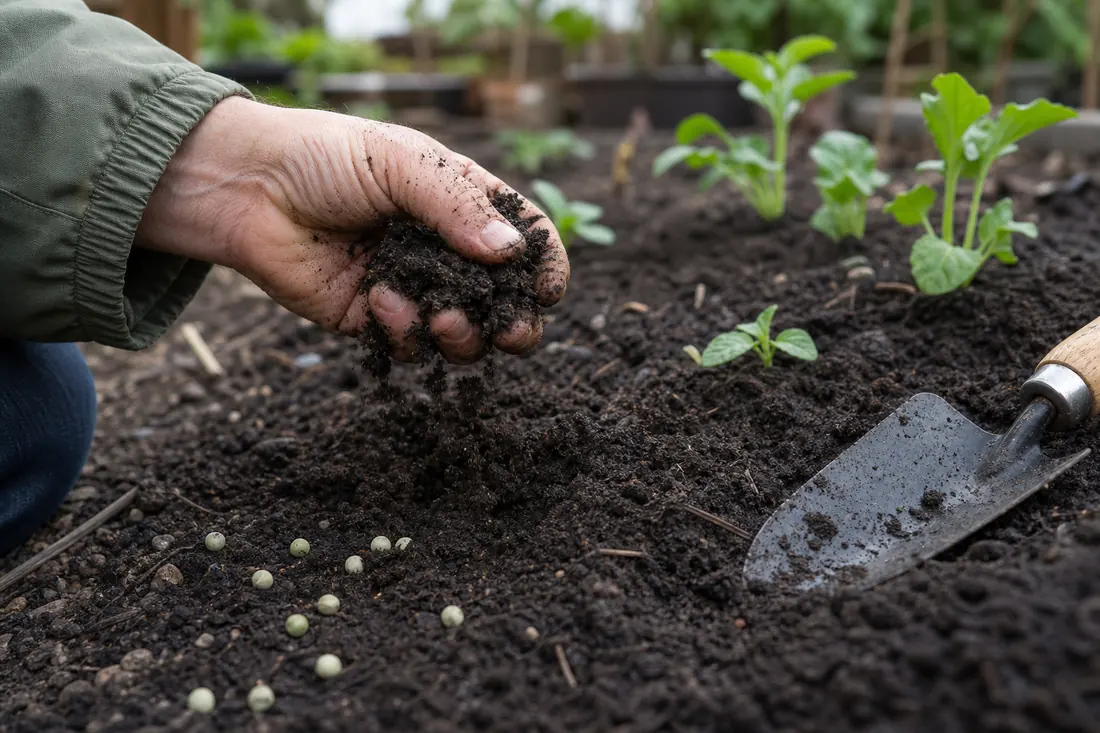
St. Patrick’s Day Works Only When The Bed Is Ready
The St. Patrick’s Day pea tradition survives because it is directionally right in many cool-season gardens. Mid-March is often early enough to beat heat and late enough that some beds have thawed. The date turns into trouble when it becomes permission to plant into mud.
In a raised bed with open soil, March 17 may be perfect. In a low clay bed that still shines after rain, the same date can waste seed. Snowmelt, shade, compaction, and slope change the calendar by days or weeks within the same yard. The north side of a fence may stay cold long after a south-facing bed has dried enough to rake.
Use the date as a reminder to test the bed, not as a command. Pull mulch aside, loosen the top inch, and check whether the soil fractures cleanly. If a rake leaves clods that break apart with light pressure, sow a short row. If the rake gathers sticky slabs, let wind and sun work for a few more days.
Early peas also need a prepared bed. The February garden checklist for seed starting, pruning, and bed prep fits peas well because the best March sowings often come from beds cleared, composted, and shaped before spring rain arrives. Trying to prepare heavy soil on planting day can compact it before the seed even goes in.
Spring Planting Windows By Frost Date And Zone
Most spring pea sowing lands 2 to 4 weeks before the average last frost date. That window works because young pea plants can tolerate light frost, and the crop needs enough cool days to flower and fill pods before heat takes over. Young pea plants grow above 40 F and perform best around 55 to 65 F, which gives early rows their advantage.
Zones make a rough map, and frost date plus soil condition make the final call. A Zone 7 garden in a wet valley may plant later than a Zone 6 raised bed on a sunny slope. A coastal garden can stay mild for weeks, giving peas more time. An inland garden may move from thaw to heat quickly, making the first workable soil window especially valuable.
| Growing situation | Typical pea sowing window | Condition that changes it |
|---|---|---|
| Cold winter zones 3-5 | 2-4 weeks before last frost, once soil thaws | Raised beds may be ready before in-ground clay |
| Moderate zones 6-7 | Late winter to early spring by soil workability | Rain-saturated beds need drying before sowing |
| Mild zones 8-9 | Late fall, winter, or very early spring | Spring heat may arrive before late rows mature |
| Hot summer gardens | Earliest workable spring soil, then stop | 80 F weather during flowering reduces pod set |
Peas usually need about 60 days from sowing to harvest, with variety differences. That number explains why late planting disappoints. A row sown after the soil finally feels pleasant to bare hands may grow leaves well, then meet 85 F days as flowers open. Heat causes flower abortion and poor pod quality, so the comfortable planting day can be too late for the crop.
The larger spring vegetable calendar can help you place peas beside other cool-season crops without crowding the bed plan. A spring planting guide by growing window separates early direct sowing from the warm-season transplant rush that comes later.
Fall Pea Planting Counts Backward From Heat And Frost
Fall peas sound simple because the crop likes cool weather. The difficulty is getting seeds to germinate when soil is still warm and the sun still feels like summer. In many regions, a fall row needs to go in 8 to 10 weeks before the first expected frost, even if the gardener would rather wait until the air feels crisp.
That backward count gives the plant time to germinate, vine, flower, and fill pods before hard frost ends the season. Fall planting around mid-August in cooler northern Utah and mid-September in warmer southern Utah shows the regional split well. The calendar moves with local heat, not with a national month label.
Fall sowing has two honest limits. Hot soil can reduce germination, and warm nights push disease pressure higher than spring. A shallow mulch after emergence helps cool the row and hold moisture. Mulch placed over newly sown peas can shelter pests and keep wet soil too wet. Wait until seedlings stand a few inches tall before covering the soil lightly.
Choose quicker varieties for fall. A 55-day sugar snap has a better chance than a tall 70-day shelling pea when frost is closing in. If your first frost comes early and summer stays hot, fall peas may be more of a bonus row than a reliable main crop. The spring crop remains the better bet in most northern and interior gardens.
Sow Seeds For Quick Emergence In Cold Ground
Good timing can still fail if the seed sits too deep or too loosely covered. Peas need firm contact with moist soil, and they need oxygen in the same zone. A 1-inch trench works in most spring beds. In sandy soil that dries fast, plant closer to 1 1/2 inches. In heavy spring clay, keep the depth closer to 1 inch and firm gently.
Spacing can be close because peas tolerate a dense row. Plant seeds about 1 to 2 inches apart in the row, with rows 12 to 24 inches apart depending on support and harvest access. A 1/2- to 1-inch planting depth fits cool spring soil when the bed is moist and workable.
Do not soak pea seed before a cold, wet sowing. Soaking can speed water uptake in dry conditions, and it can also make the seed more fragile when the soil is chilly. A cracked seed has little forgiveness in early spring. If the bed already holds moisture, plant dry seed and water only enough to settle the row.
Install support before or at sowing for tall peas. Vining types can reach five feet, and setting a trellis after roots spread risks tearing shallow feeder roots. The later pea plant growth stages from seed to pods move quickly once weather warms, so the support should be ready before tendrils begin searching.
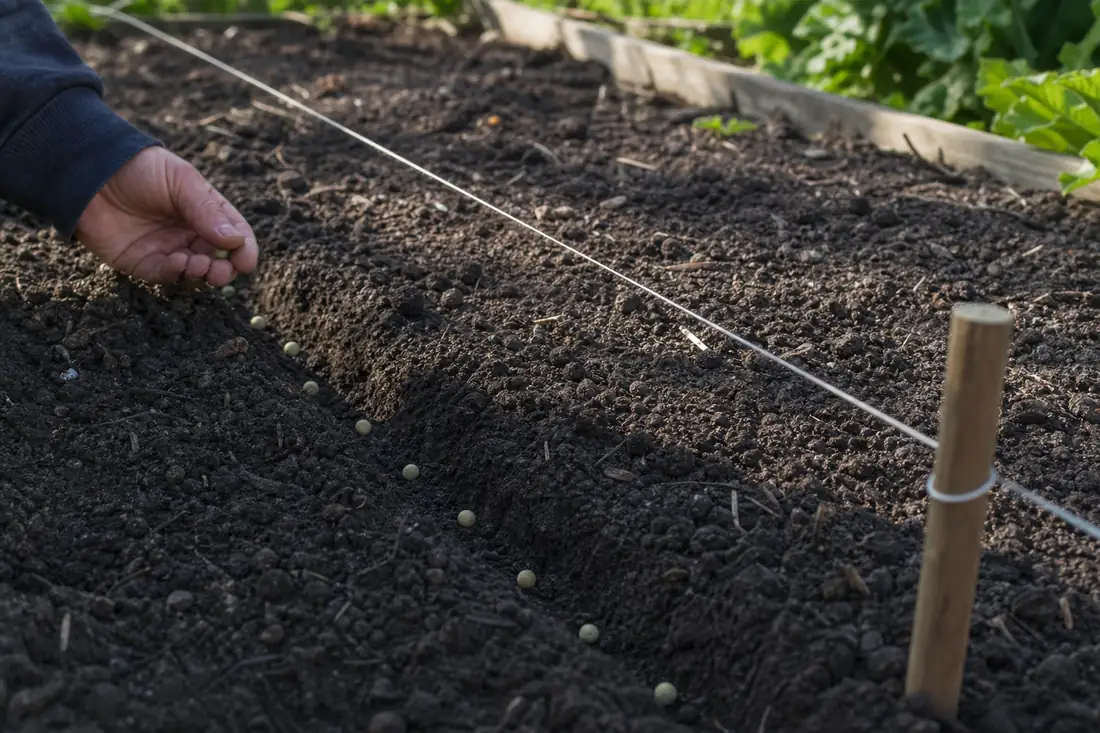
Protect Early Rows From Wet Soil, Birds, And Hard Frost
The earliest row needs protection from conditions that happen after planting. Heavy rain can crust the surface, birds can pull swollen seed, and a hard frost can damage plants once they are flowering. The seed stage and the flowering stage do not carry the same risk.
Seeds can rot and seedlings can damp off in cold, wet soil. That is the clearest reason to wait on mud. Row cover cannot fix sealed soil. It can warm the surface slightly and keep birds off, though waterlogged ground still needs air before it needs fabric.
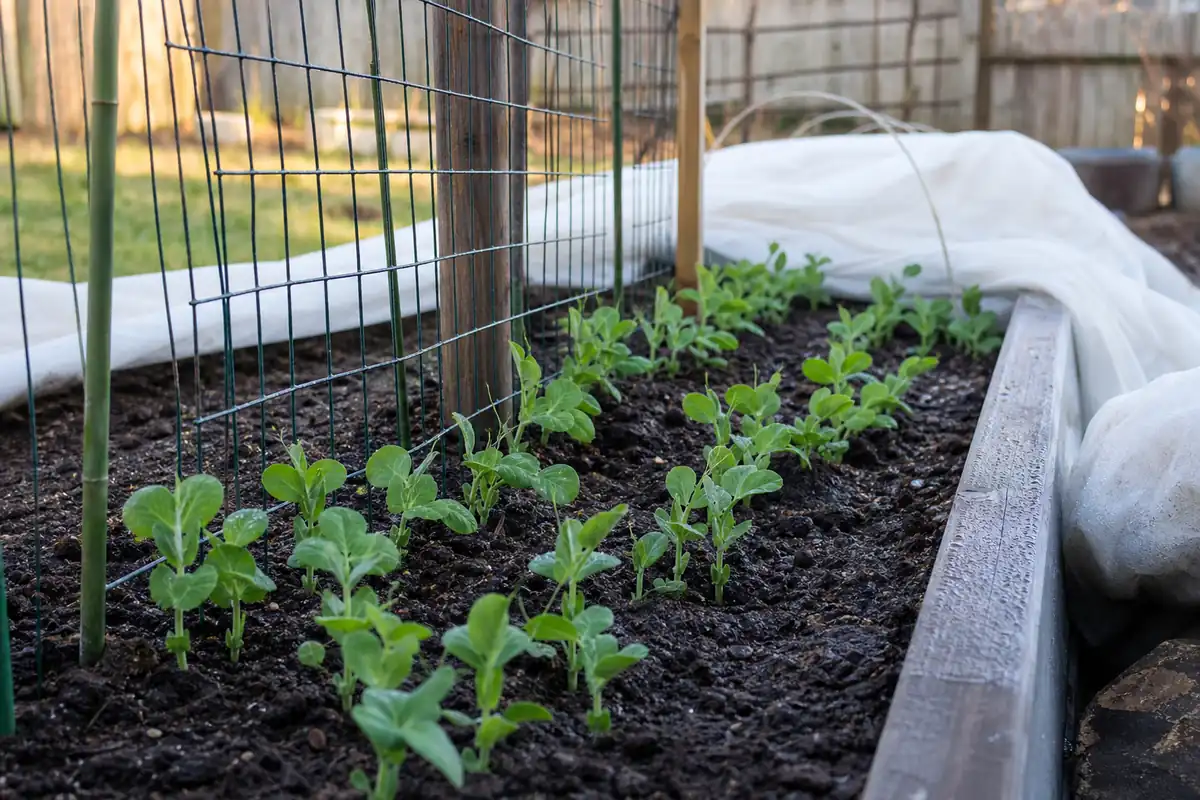
Use lightweight row cover after sowing if birds, squirrels, or heavy pecking pressure are common. Anchor the edges so wind does not rub the fabric over the row. Remove or lift it once seedlings need room, or keep it loosely supported over hoops during cold snaps.
Hard frost matters more after flowers form. Young vegetative pea plants can take light frost. Once flowers and small pods appear, frost can damage the crop itself. At that stage, a sheet or row cover on a cold night protects the harvest you already waited weeks to earn.
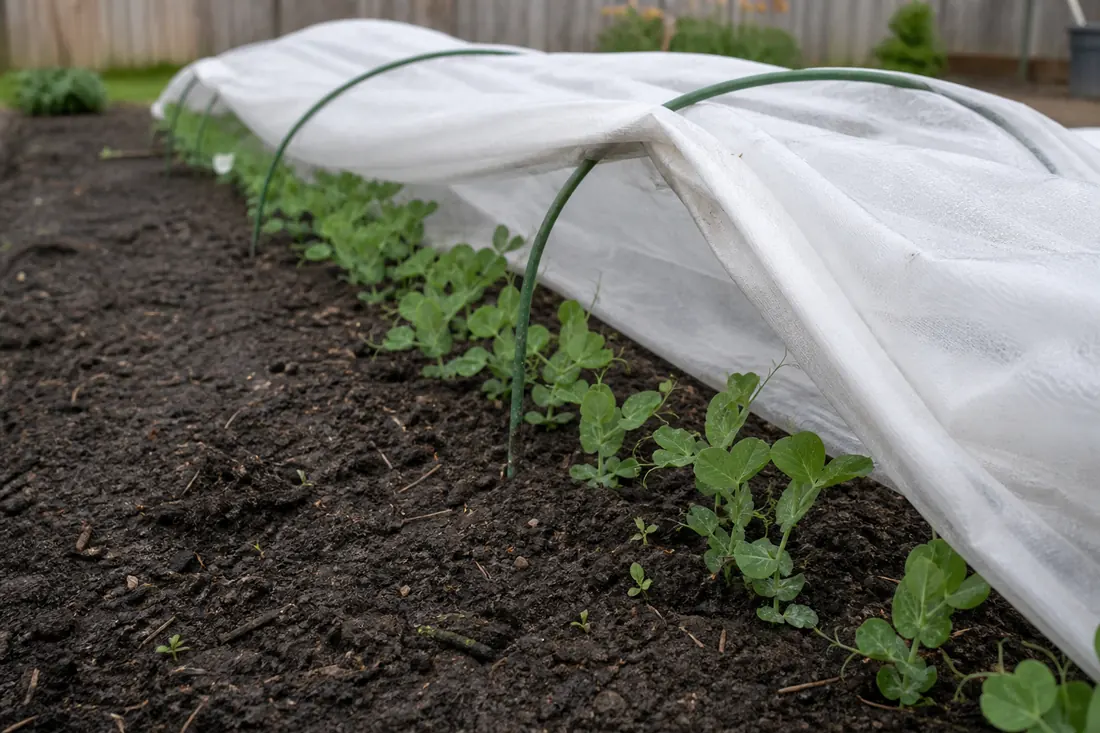
Start With The Earliest Safe Row
When half the bed is ready, plant the half that passes the squeeze test. Peas do not require one grand sowing. A short first row gives you a real timing test in your own soil, then a second row 7 to 10 days later smooths out weather mistakes.
Workable soil and a gentle rain make a good pairing when the bed drains well. Light rain can settle the row beautifully. A heavy storm on clay can seal the surface into a crust. In that case, wait until the storm passes and rake the bed open again.
A last frost date still a month away can be fine when soil is 42 F and crumbly, so sow a modest row. Soil at 38 F and sticky needs more time. Soil at 55 F with warm weather building calls for quick planting and an early variety. Peas give the best harvest to gardeners who move early with the soil, not early against it.
Conclusion
The best pea planting date is the first date your soil can breathe. Use St. Patrick’s Day as a reminder to check the bed, then let the handful test decide. If the soil crumbles, the row can go in 2 to 4 weeks before last frost. If it shines and smears, waiting three dry days can save more seed than planting on schedule.
For fall peas, count backward 8 to 10 weeks from first frost and watch the heat as closely as the cold. A successful pea row usually starts in cool, open soil, emerges in a clean green line, and reaches flowering before the season turns harsh.
Frequently Asked Questions
What month do you plant peas?
Most gardeners plant peas in late winter or early spring, often from February through April depending on region. Mild zones may sow in winter, and colder zones usually wait until the soil thaws and crumbles. The month matters less than workable soil and enough cool weather left for a 55 to 70 day crop.
How early can you plant peas before the last frost?
Peas are commonly planted 2 to 4 weeks before the average last frost date. The row still needs thawed, workable soil. If the bed is wet enough to smear on your hand, wait even if the frost calendar says the timing is right.
Can pea plants survive frost?
Young pea plants can survive light frost, especially before flowering. Frost becomes more damaging once flowers and tiny pods form, because the harvest tissue is exposed. Cover flowering peas when a late freeze is forecast.
Should I soak peas before planting?
Soaking is usually unnecessary for early spring planting. Dry pea seed handles cool sowing better than seed that has swollen and cracked before going into chilly soil. In a dry, warm fall bed, a short soak may help, though the row still needs even moisture after planting.
Is it too late to plant peas in spring?
It may be too late if daytime temperatures are already moving toward 80 to 85 F before the plants can flower. Peas can grow leaves in warming weather and still produce a weak pod set. Count roughly 60 days from sowing to harvest before deciding whether a late spring row is worth the space.