




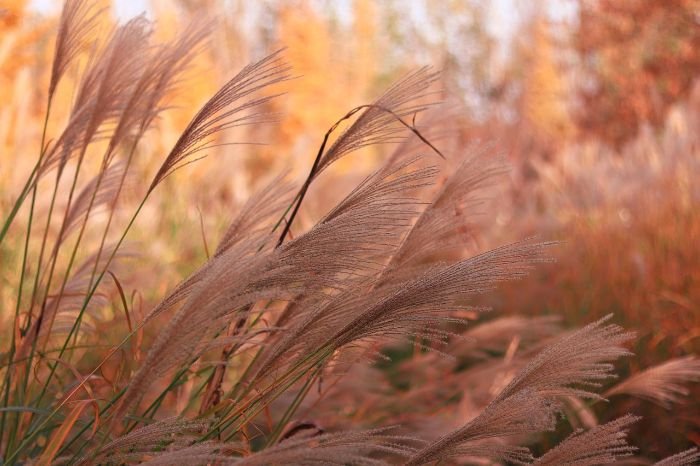
Want to bring your garden to life with texture and movement? Ornamental grasses are the way to go. They have become very popular in garden design. They add something unique and dynamic to outdoor areas.
Ornamental grasses vary in sizes, colors, and shapes. They can change any garden into a beautiful scene. Their soft plumes move gently in the wind. This brings a feeling of life to the garden. Their upright sections also add a unique design. They give the garden structure and definition.
What makes ornamental grasses special? How do they make gardens look so amazing? And how can you use them in your garden?
We will dive into the world of these grasses. We’ll see how they can improve your garden design through their texture and movement.
Key Takeaways:
- Ornamental grasses have the unique ability to add texture and movement to gardens.
- They come in a variety of sizes, colors, and forms, offering endless design possibilities.
- Soft, wispy plumes and upright blades create visual interest and bring life to outdoor spaces.
- Incorporating ornamental grasses can transform your garden into a captivating landscape.
- Stay tuned to learn more about the aesthetic and functional benefits of these beautiful plants.
Table of Contents
Introduction to Ornamental Grasses
Ornamental grasses add beauty and usability to gardens. They have become quite popular. They make outdoor areas look better with their unique textures and movements.
The Aesthetic and Functional Benefits of Ornamental Grasses
Ornamental grasses make any garden more beautiful and peaceful. Their soft plumes and feathery leaves bring a gentle touch. They stand out as focal points while softening the overall look.
They also have practical uses. Some work as natural screens, offering privacy. They can also mark off pathways or garden beds. Plus, many types don’t need a lot of water, which is great for water-saving gardens.
These grasses also attract birds and insects, adding life to the garden. This is good for the environment and beautiful to watch.
How Ornamental Grasses Enhance Garden Design
Ornamental grasses are key in making gardens look better. They fit many styles, like modern or cottage gardens. They make the whole place look more appealing.
They can be great for drawing the eye. Placed in the right spot, they become a main attraction. They’re also excellent for defining spaces. Their different shapes and textures give the garden more structure.
Mixing these grasses with flowers can create a perfect scene. They make the garden look good all year. This way, the beauty of the garden changes with the seasons.
Top Ornamental Grasses for Garden Design
Incorporating top ornamental grasses in your garden design can make a big difference. They add texture, movement, and visual interest. Some popular choices include feather reed grass, maiden grass, fountain grass, blue oat grass, and switchgrass.
Feather Reed Grass (Calamagrostis)
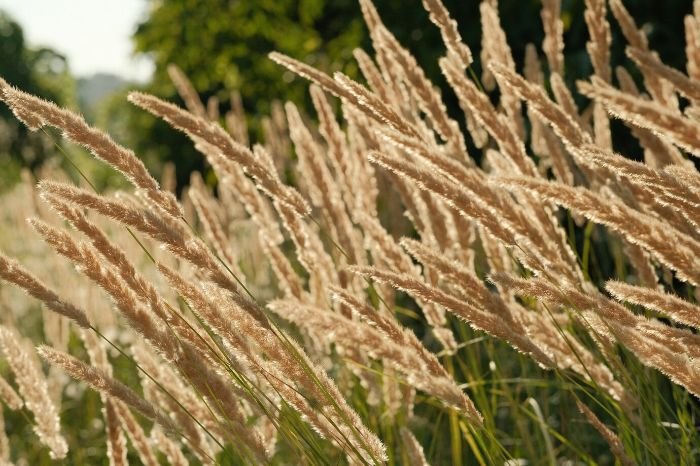
Feather Reed Grass, or Calamagrostis, is loved for its tall, upright growth and elegant plumes. These plumes sway in the wind, bringing beauty to any landscape. Its slender leaves add a graceful touch, making it perfect for gardens and borders.
Maiden Grass (Miscanthus)
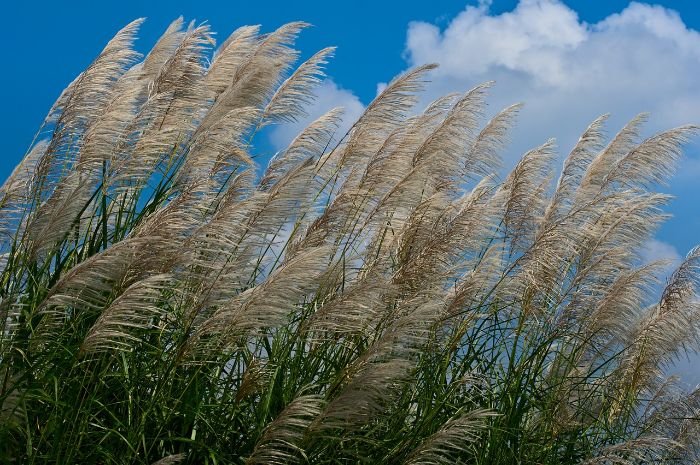
Maiden Grass, or Miscanthus, is a popular choice. It has arching blades and showy plumes in late summer. The variety in sizes and styles lets you find the best fit for your garden design.
Fountain Grass (Pennisetum)
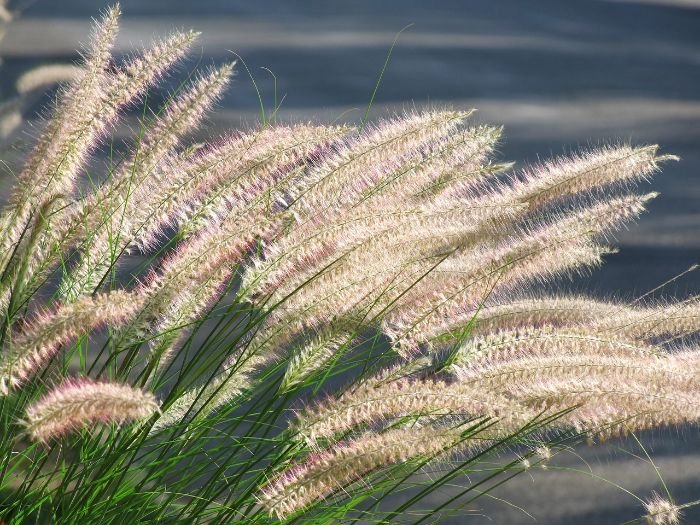
Fountain Grass, or Pennisetum, has feathery plumes that cascade like water from a fountain. This brings softness and elegance to your garden. It’s great for focal points with its vibrant colors and graceful appearance.
Blue Oat Grass (Helictotrichon)
Blue Oat Grass, or Helictotrichon, adds a blue hue to the landscape. Its blue-gray leaves have a cool, calming effect. Perfect for rock gardens or as an accent, it contrasts well with other plants.
Switchgrass (Panicum)
Switchgrass, or Panicum, is adaptable and thrives in many conditions. It has a graceful, upright form and delicate plumes that dance in the wind. It adds a natural, relaxed feel, perfect for informal borders and meadows.
Adding these top ornamental grasses will improve your garden’s look. They bring beauty, texture, and ensure focal points stand out. Experiment with different types to create an engaging landscape.
Ornamental Grasses for Different Garden Conditions
Different ornamental grasses like different garden conditions. They help make your garden look diverse and beautiful. They work well in full sun, partial shade, or even moist soil.
Grasses for Full Sun Areas
Some ornamental grasses love full sun. They keep their color and beauty when it’s hot and sunny. Popular choices include Pennisetum (Fountain Grass), Calamagrostis (Feather Reed Grass), and Miscanthus (Maiden Grass).
Grasses that Tolerate Shade
There are grasses for less sunny spots too. They add texture and interest even in the shade. Some good ones are Carex (Sedge), Hakonechloa (Japanese Forest Grass), and Festuca (Blue Fescue).
Drought-Tolerant Ornamental Grasses
In dry areas or for saving water, pick drought-tolerant grasses. They need less water and look great. Options include Panicum (Switchgrass), Sporobolus (Dropseed Grass), and Stipa (Feather Grass).
Grasses for Moist or Wet Soil
Some grasses love moist or wet soil. They do best near water. Good choices are Juncus (Rush), Cyperus (Umbrella Grass), and Phalaris (Ribbon Grass).
Incorporating Ornamental Grasses into Your Garden
Ornamental grasses can really make your garden shine. They’re great for any size space, big or small. They add texture, movement, and beauty to your design. Let’s look at how to use them as focal points, for borders, mixed with other plants, and for all seasons.
Using Grasses as Focal Points
Grasses work great as centerpieces in your garden. They stand out with their unique looks and colors. You could plant a big grass like Miscanthus alone in a flower bed. This makes a bold statement. Or, use them as backdrops for other plants to show off their beauty.
Creating Borders and Edges with Grasses
Grasses are perfect for defining spaces in your garden. Use smaller ones like Festuca along a path for a border. This adds charm and separates areas. Taller grasses, placed at a garden bed’s edge, give a neat finish.
Mixing Grasses with Other Perennials
Mixing grasses with flowers can create a balanced look. Their colors and forms make a garden beautiful. For a vibrant show, pair a feathery grass with bright flowers. This keeps your garden looking good all year.
Designing with Grasses for Seasonal Interest
Think about the seasons when choosing grasses. Some change their look throughout the year. For example, Calamagrostis ‘Karl Foerster’ shines in late summer. Pair it with plants that match its beauty for a changing garden.

Planting and Caring for Ornamental Grasses
Good care is key to making ornamental grasses grow well. By using proper steps and giving needed care, your grasses can look great. They’ll make your garden more beautiful.
Soil Preparation and Planting Techniques
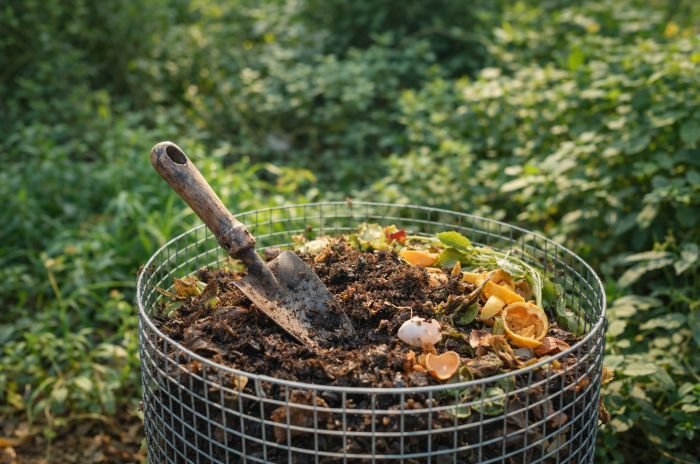
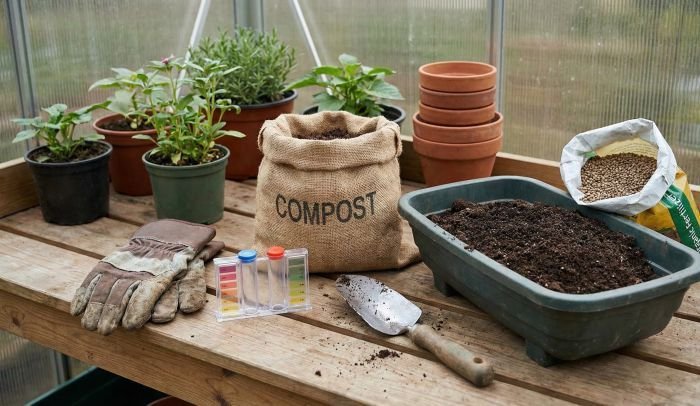
Preparing the soil is an important first step for planting ornamental grasses. Choose a spot that drains well. Too much water can harm these plants. Add compost or aged manure to the soil. This makes a good place for your grasses to grow.
Follow these planting steps:
- Make a hole big and deep enough for the roots.
- Take the grass out of its pot and loosen the roots.
- Place the grass in the hole with the top of the root ball even with the soil.
- Fill in soil around the plant, packing it gently to remove air.
- Water the plant well to help the soil and roots touch.
Watering and Fertilizing Requirements
Grasses need plenty of water at first. Make sure the soil is always a little damp. After they’re grown, they can handle dry periods. But, water them if it doesn’t rain for a while.
How much and what type of fertilizer they need depends on the grass and soil. Test your soil first to see what it needs. Use organic or slow-release fertilizers. These will give your grasses what they need. Follow the product’s directions.
Pruning and Maintenance Tips
Cutting them back often keeps your grasses pretty. Here are some hints:
- Take off any parts that are dead or broken. This makes the grasses look better and stops sickness.
- Cut the grasses short in late winter or early spring. This makes them grow new, fresh leaves.
- You can leave or remove the seed heads. They may look nice, but you might not want more grass growing.
Dividing Grasses to Promote Healthy Growth
Splitting ornamental grasses keeps them healthy and growing strong. If they get too crowded, they don’t grow well. Split them every few years to keep them growing strong.
To split your grasses:
- Do it when the grass is not growing, in late fall or early spring.
- Use a tool to gently dig up the whole bunch.
- Break it into smaller parts, making sure each part has roots and leaves.
- Plant the parts where you want them, using the planting steps we talked about.
- Water them well to help them grow back strong.
By using these tips for planting and care, your ornamental grasses will flourish. They’ll add beauty and movement to your garden.
Conclusion – Transforming Your Garden with Ornamental Grasses
Ornamental grasses can change the look of any garden. They come in many textures and move gracefully. Adding them to your garden can make it more beautiful. They create spots that catch the eye, improving the whole garden.
These grasses are very easy to take care of. Anyone, new or skilled at gardening, can grow them. No matter the size of your garden, they will grow well. They bring a fresh look to any garden design.
Ornamental grasses also work in many different places. They can grow in sunny spots, or in the shade. They do not need much water and can handle dry or wet soil. There’s a grass type for every garden’s unique needs.
Adding these grasses makes your garden more interesting. They are beautiful, easy to manage, and flexible. This makes them perfect for enhancing your outdoor area.
FAQ
Why have ornamental grasses become popular in garden design?
Ornamental grasses have gained popularity in gardens. They add unique texture and move with the wind. Their various sizes, colors, and shapes bring life to any space.
What are the aesthetic and functional benefits of ornamental grasses?
These grasses bring beauty and calm to gardens. Their feathery leaves and gentle movements soften the look. They also offer privacy, form borders, and need little care. Plus, they help the environment by attracting wildlife and being drought-tolerant.
What are some of the top ornamental grasses used in garden design?
Feather Reed Grass, Maiden Grass, Fountain Grass, Blue Oat Grass, and Switchgrass are popular choices. Each has a unique look and adds charm to gardens.
Which ornamental grasses are suitable for different garden conditions?
Grasses vary in what they need to grow well. Some thrive in sunny, hot spots, while others like the shade. Drought-tolerant grasses need little water, perfect for saving on water use. Misfit grasses grow well in moist areas, like near ponds.
How can I incorporate ornamental grasses into my garden?
Use grasses to create focal points or as borders. They mix well with other plants. Design with a variety to keep your garden interesting all year.
What are the planting and care requirements for ornamental grasses?
Good soil and the right location are key when planting. Grasses have varying needs for water and food. Regular trimming and, if needed, dividing them keeps your garden healthy.
How can ornamental grasses transform my garden?
Adding grasses transforms your garden with their beauty and ease of care. They fit gardens big and small, making them vibrant spaces.