


Last Updated June 02, 2026
Xeriscaping principles work best when the garden is redesigned around where water enters, moves, stalls, and evaporates. A yard can have gravel, agave, and drip tubing and still waste water if slope, soil crust, plant grouping, and runoff were never solved. Real xeriscaping starts with the path water takes through the site, then makes planting and irrigation choices around that path.
A water-wise xeriscape uses seven connected decisions: plan zones, improve soil, keep turf useful and limited, choose plants matched to exposure, irrigate at root depth, cover soil, and maintain the system as plants mature. The design saves water because every plant sits in a zone that matches its demand.
Key Takeaways
- Map runoff before choosing plants or gravel.
- Build hydrozones around water need and daily use.
- Fix soil intake before adding irrigation minutes.
- Use mulch to protect moisture already in the bed.
- Reduce watering only after new roots expand.
Table of Contents
Xeriscaping Principles – Design Around Water Movement
Xeriscaping is a garden design method built around water movement, plant grouping, soil intake, surface cover, irrigation efficiency, and maintenance. Its purpose is to keep useful moisture in the root zone, reduce waste from runoff and evaporation, and reserve regular irrigation for the parts of the landscape that truly need it. That makes it useful in dry climates, drought-prone neighborhoods, windy sites, sandy soils, and sunny front yards where summer watering keeps climbing.
A common xeriscape sequence connects planning, soil improvement, low-water plant selection, practical turf limits, efficient irrigation, mulch, and maintenance into one water-wise landscape method. Use that sequence as an order of operations for the yard. If the garden skips planning and soil work, plant shopping has to carry too much of the water-saving job.
The same principle set also frames planning, plant zoning, limiting turf, soil improvement, irrigation, mulch, and maintenance as the full seven-part system. Those are design levers that control water demand from installation through maturity.
| Principle | What It Changes | Field Test |
|---|---|---|
| Planning and design | Places high-water, moderate-water, and dry zones where they make sense | Sketch sun, slope, doors, hoses, paths, and runoff before buying plants |
| Soil improvement | Helps water enter, spread, and remain available to roots | Check whether water soaks in or runs across the surface |
| Practical turf | Keeps grass only where it earns its water through use | Mark play areas, seating edges, and access routes before shrinking lawn |
| Low-water plants | Matches roots, leaves, mature size, and heat tolerance to the site | Group plants by water need, exposure, and mature spread |
| Efficient irrigation | Puts water near active roots at a rate the soil can accept | Probe the wetting depth after a test run |
| Mulch and surface cover | Cools the soil surface and reduces weed competition | Pull mulch back and confirm the soil beneath is cool and damp |
| Maintenance | Adjusts water, pruning, mulch depth, and plant spacing over time | Change the schedule as roots expand and shade increases |
This order matters. Plant lists cannot repair a poor water map. In a compacted low spot, a cactus can rot during a wet winter. Stream-edge native shrubs can struggle in a dry curb strip. Removing lawn without drainage planning can leave a hot, dusty space that sheds stormwater toward the sidewalk.
Xeriscape Planning – Divide The Yard Into Hydrozones
Hydrozones are planted areas grouped by water demand, use, and irrigation method. The high-water zone should be small and easy to reach. That can mean a vegetable bed, a young fruit tree, or a container cluster near the hose. Moderate zones carry plants that need water during establishment and occasional deep watering later. Dry zones get the sun, slope, and soil they can handle with little routine irrigation once mature.
Begin with the parts of the yard that receive attention every week. Patios, front entries, food beds, and small seating areas can justify more water because people use them. The back fence line, hot curb strip, side yard, and far corners usually need tougher plants, wider spacing, mulch, and a lower water promise.
| Hydrozone | Best Use | Irrigation Logic | Placement Clue |
|---|---|---|---|
| Oasis zone | Vegetables, containers, young fruit, seating edges | Regular water with easy access and close monitoring | Near a door, hose bib, rain barrel, or daily path |
| Transition zone | Flowering shrubs, pollinator borders, newer perennials | Deep water during establishment, then less frequent cycles | Mid-yard beds with good mulch and reachable drip lines |
| Dry zone | Drought-tolerant perennials, grasses, herbs, dryland shrubs | Occasional deep soak during long hot spells | Full sun, open air, lean soil, and clean drainage |
| Rain-fed edge | Native grasses, tough groundcovers, gravel edges, buffer strips | Establishment water only, then rainfall as the main input | Far edges where hoses rarely reach and traffic is light |
In larger dry-climate gardens, the hydrozone map should work with water conservation in arid gardens: shade, paths, planting density, and watering routes all decide how much irrigation each zone needs. A hydrozone should be visible in the layout. If a thirsty plant sits in the middle of a dry bed, the irrigation schedule will eventually serve that plant first.
Practical Turf – Keep Grass Only Where It Earns Water
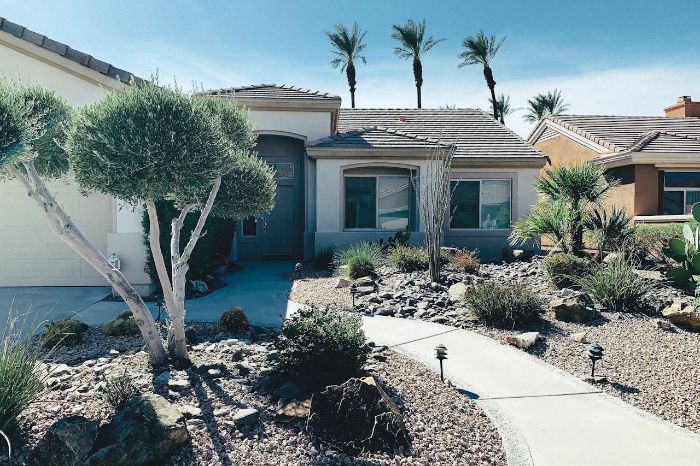
In xeriscaping, turf should stay where it has a real job: play, pets, foot traffic, cooling near a seating area, or a clean access route through the garden. Grass kept only as empty visual filler usually becomes the highest-water part of the yard, especially along hot pavement, narrow side strips, and exposed south or west edges.
Start by marking the turf that people actually use, then remove or shrink the parts that brown first, collect runoff, or need frequent irrigation to look acceptable. A smaller lawn surrounded by mulch, shrubs, paths, and dry-zone planting often performs better than a larger lawn that asks for water in every corner.
| Turf Area | Xeriscape Decision | Why It Matters |
|---|---|---|
| Play or pet area | Keep compact and easy to irrigate | Useful turf can justify planned water |
| Hot curb strip | Convert to dry planting or gravel-edge planting where allowed | Narrow turf beside pavement loses water fast |
| Unused front lawn edge | Replace in phases with shrubs, perennials, mulch, or paths | Phasing reduces cost and exposes soil problems early |
| Shaded weak turf | Replace with shade-suited low-water planting or mulch paths | Thin grass wastes irrigation without becoming functional |
| Central usable lawn | Keep only the shape that supports real use | Simple shapes water more evenly than leftover strips |
Soil And Drainage – Store Moisture In The Root Zone
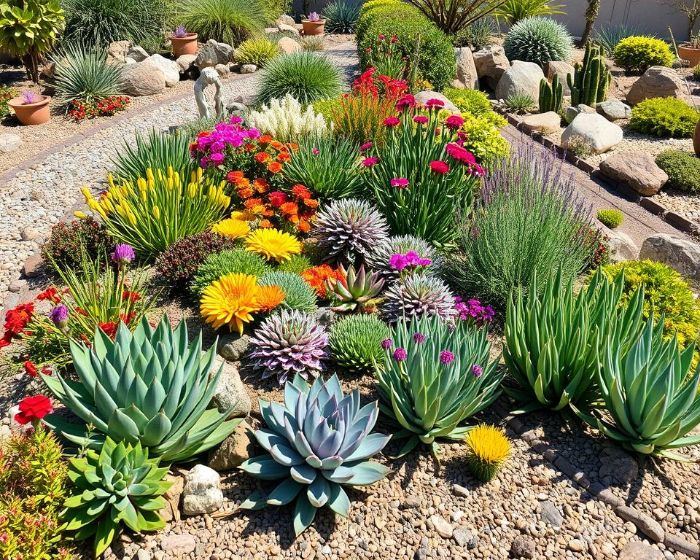
Xeriscape soil has to accept water before it can conserve water. A bed that repels water at the surface needs intake work. A bed that stays slick after rain needs drainage work. Healthy xeriscape soil takes water slowly enough for roots to use it, then drains well enough to keep oxygen around crowns.
Sandy soil loses water through large pores that drain quickly. Compost, leaf mold, and fine organic matter add surfaces that hold thin films of moisture around particles. Clay soil often resists entry, then stays wet around crowns after a hard soak. In clay, organic matter and careful surface care improve infiltration, and grading may matter more than adding more irrigation.
| Soil Condition | What Water Does | Better Correction |
|---|---|---|
| Loose sand | Drains past shallow roots quickly | Add compost, mulch, and deeper but less frequent watering |
| Heavy clay | Enters slowly and lingers near the surface | Improve organic matter, avoid compaction, and raise crowns where needed |
| Compacted path edge | Sheds water into beds, pavement, or low spots | Redirect runoff, widen beds, and keep foot traffic out of root zones |
| Rocky slope | Moves downslope before roots can use it | Use contour planting, small basins, terraces, and coarse mulch |
The deeper mechanics in soil health improvement help when beds crust after irrigation or fall apart like beach sand. Soil structure controls intake, storage, oxygen, and root depth. A dry-looking surface can hide enough moisture below, and a dark wet surface can still leave deeper roots thirsty.
Use soil drainage solutions when winter water stands, mulch floats away, or roots fail near downspouts and low walls. Drought-prone gardens still need drainage. Low-water plants often hate cold saturated soil more than summer dryness.
Plant Selection – Match Drought Tolerance To The Site
Drought tolerance is earned after establishment. A lavender, yarrow, sedum, salvia, or native grass can arrive from the nursery with a tight root ball that dries faster than the bed around it. The first season should train roots outward into the surrounding soil. The mature plant saves water later because its roots, leaves, and growth habit fit the place.
Plant traits give useful clues. Silver, fuzzy, narrow, waxy, or aromatic leaves often lose less moisture through leaf surfaces. Deep-rooted plants can reach below the fast-drying top layer. Succulent tissues store water. Compact mature size lowers demand in tight front yards and containers.
| Site Condition | Useful Plant Traits | Good Direction | Establishment Risk |
|---|---|---|---|
| Hot curb strip | Low height, reflective leaves, tolerance for heat and lean soil | Lavender, thyme, santolina, native grasses suited to the region | Young roots dry fast beside pavement |
| Sunny slope | Deep roots, spreading crowns, erosion-holding growth | Yarrow, sedum, creeping thyme, dryland grasses | Water moves downhill before soaking in |
| Front foundation bed | Heat tolerance, tidy shape, clear mature size | Compact shrubs, herbs, ornamental grasses, flowering perennials | Reflected wall heat can raise leaf stress |
| Rain-fed back edge | Regional adaptation, deep roots, low fertilizer need | Local dry-site natives and tough meadow-style plants | First-year watering may be too brief |
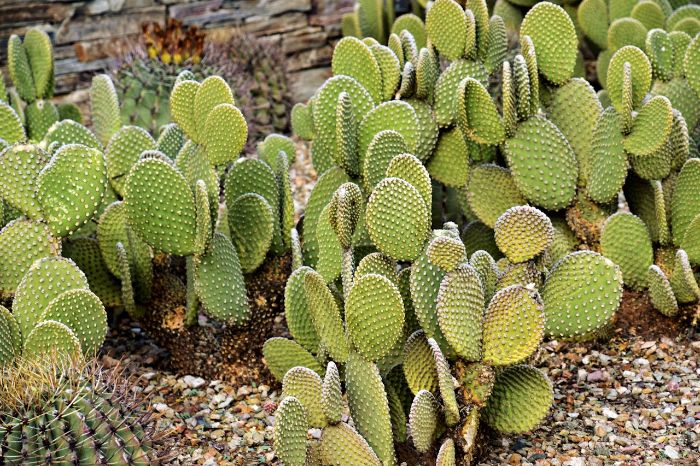
Use drought-tolerant plants as a shortlist, then filter each choice by soil texture, winter drainage, reflected heat, and mature spread. Native plants can be excellent xeriscape choices when the plant’s natural habitat matches the garden position. A moisture-loving native from a stream edge needs a wetter hydrozone than a dry-site prairie plant.
Mulch And Surface Cover – Protect The Moisture You Already Have
Mulch is the surface layer that keeps soil from losing water immediately after irrigation or rain. Sun heats bare soil. Wind pulls vapor from the top layer. Weed seedlings use the open space after every watering. A good mulch layer slows all three losses at the exact place they begin.
Mulch belongs after water has entered the soil. If the bed is dry, water first, wait for infiltration, then cover. Keep mulch pulled back from crowns, trunks, and woody stems so bark and crown tissue can dry. A water-wise bed should smell earthy under the mulch, not sour.
| Surface Cover | Best Fit | Main Caution |
|---|---|---|
| Wood chips | Shrub beds, young trees, mixed borders, paths between dry plants | Keep chips off trunks and refresh thin areas |
| Shredded leaves | Perennial beds and vegetable edges | Loose layers can blow until dampened |
| Straw | Vegetable beds and seasonal planting zones | Watch for seeds and crown smothering around small plants |
| Gravel | Lean, fast-draining beds with heat-tolerant plants | Reflected heat can scorch young or soft-leaved plants |
| Living groundcover | Spaces between established shrubs and paths with light foot traffic | Roots compete for water during establishment |
The material details in mulching to conserve soil moisture matter because organic and mineral covers behave differently. Organic mulch cools soil and feeds structure as it breaks down. Gravel lasts longer and suits plants that like sharper drainage. In a hot front yard, gravel should be used with plants that can handle the extra reflected heat.
Irrigation – Water New Roots Deeply, Then Reduce Frequency
Xeriscaping does not mean planting once and withholding water. New plants need establishment water until roots grow beyond the nursery ball. The savings come later, when mature roots occupy enough soil to handle longer dry periods. The irrigation plan should change as roots expand.
Drip irrigation works well in xeriscapes because it applies water near the root zone at a slow rate. Placement still matters. A drip line under mulch can miss the feeder roots if emitters sit too far from the crown or run in a straight line through irregular plant spacing. Timers also need seasonal adjustment.
| Plant Stage | Watering Goal | Check Before Changing The Timer |
|---|---|---|
| First month | Keep the original root ball and nearby soil evenly moist | Probe beside the crown and just outside the root ball |
| First growing season | Push roots outward with wider, deeper wetting | Check moisture several inches past the planting hole |
| Established dry-zone plants | Water deeply during long heat spells | Confirm leaves recover overnight before adding water |
| Oasis plants | Maintain crops, containers, or young fruit with planned water | Keep this zone small enough to monitor closely |
Pro Tip: After a drip cycle, push a narrow trowel beside an emitter and look at the damp shape in the soil. A wet stripe at two inches deep is a surface drink. A cool, connected wetting pattern at root depth is irrigation.
Runoff-prone beds need soak cycles. Water for a short period, pause until the surface sheen fades, then run the next cycle. The pause gives pores time to accept water, which matters on slopes, compacted soil, and dry mulch that initially sheds water sideways.
Xeriscape Maintenance – Adjust Water As The Garden Matures
A xeriscape changes after the first season. Roots spread beyond the nursery ball, mulch settles, shrubs cast more shade, drip emitters end up too close to old crowns, and weeds use the open spaces before slower plants fill in. Water savings improve when the maintenance schedule follows those changes through maturity.
| Maintenance Check | What To Look For | Correction |
|---|---|---|
| Emitter position | Water stays near the old root ball while new roots spread outward | Move or add emitters toward the active root zone |
| Mulch depth | Thin, crusted, blown, or piled mulch | Refresh thin areas and pull mulch away from crowns |
| Weed pressure | Fast weeds taking water after irrigation | Remove weeds early before they seed and compete |
| Plant spacing | Shrubs crowding paths, emitters, or smaller perennials | Prune, thin, or relocate before airflow drops |
| Irrigation schedule | Established plants still receiving first-season water | Reduce frequency after root depth and overnight recovery improve |
Choose The Right Xeriscaping Move For Your Site
The right xeriscaping move depends on the failure pattern you already see. A thirsty lawn, a hot slope, a dry container cluster, and a wet clay low spot need different fixes. Start with the symptom, then choose the change that solves water movement first.
| Yard Signal | Best First Move | Why It Works |
|---|---|---|
| Lawn browns first along the south or west edge | Convert the hottest strip into a dry border and keep turf in the useful center | Shrinks the highest-loss area before changing the whole lawn |
| Water runs down a slope or across a path | Build contour beds, small basins, swales, or terraces before planting | Slows water long enough for roots to use it |
| Drip lines exist and plants still wilt | Probe wetting depth and move emitters toward active roots | Fixes placement before increasing runtime |
| Front yard needs a tidy look through dry months | Use repeated evergreens, grasses, or structural shrubs with low-water flowers | Keeps curb appeal readable after spring bloom fades |
| Budget is tight | Start near the hose with one hydrozone and mulch exposed soil | Reduces waste in the area you can maintain every week |
A full lawn conversion should happen in phases if time, money, or plant availability is limited. Convert the hardest-to-water strip first, learn how the soil behaves under mulch, then repeat the pattern in the next zone. The garden becomes easier to read because each phase teaches where water collects, where plants root fast, and where heat needs shade or surface cover.
Conclusion
Xeriscaping works when the design starts with water behavior before plant shopping. Map runoff, divide the yard into hydrozones, fix soil and drainage, plant for the actual heat and exposure, protect the surface, and tune irrigation as roots settle in. A dry-climate garden can feel full, shaded, fragrant, and useful when each zone has the right water commitment.