Purple vegetables include roots, tubers, leaves, swollen stems, flower heads, shoots, and fruits. Their color does not put them in one plant family or give them one growing season. Purple carrots may have orange centers. A purple-skinned potato may have white flesh. Purple eggplant needs warm growing weather, and purple kale can suit a cooler part of the year.
Choose the crop first, then the variety and the edible color you want. A seed packet that names the skin color may tell you little about the cut surface or the cooked result. Match its maturity and growing conditions to your garden before making room for it. The eight crops below offer different ways to add purple to a harvest, with named examples where the variety changes the choice. The pictures show representative crop forms, so check the packet or nursery label for the exact variety you buy.
Choose the purple part you want
- Purple flesh: compare potatoes such as Purple Majesty or All Blue; a purple skin alone is insufficient.
- Purple leaves or a head: compare Redbor kale, Ruby Perfection cabbage, and purple cauliflower.
- Purple exterior with a pale or contrasting interior: consider kohlrabi, eggplant, or a purple carrot variety whose core color is specified.
- A permanent bed: consider Purple Passion asparagus, allowing time for the planting to establish.
Match planting weather to the crop. Purple is a color choice, not a shared calendar.
Key Takeaways
- Check the edible part before choosing a purple vegetable variety.
- Read flesh-color descriptions when buying purple carrots or seed potatoes.
- Match cool-season brassicas and warm-season eggplant to suitable planting weather.
- Allow perennial asparagus to establish before expecting a substantial harvest.
- Test cooking color without assuming every purple crop stays purple.
Table of Contents
Purple Vegetables Compared by Edible Part and Color
A vegetable’s name and its edible plant part give you the first useful identification. A kohlrabi’s round purple stem sits above the soil, with leaf stalks emerging from it. A purple carrot is a root below the soil. That distinction changes both what you harvest and how you make room for the plant.
| Crop | Purple part | Example or selection clue |
|---|---|---|
| Carrot | Root exterior; core varies | Read the packet for orange-core or purple-flesh traits |
| Potato | Skin, flesh, or both | Purple Majesty and All Blue have colored flesh |
| Cauliflower | Curd or head | Graffiti and Violet Queen are purple selections |
| Kohlrabi | Swollen stem exterior | Konstance F1 is a purple selection |
| Asparagus | Young spears | Purple Passion is a perennial variety |
| Kale | Purple-red foliage | Redbor offers deeply colored curly leaves |
| Red cabbage | Layered leaves forming the head | Ruby Perfection is a red-purple heading variety |
| Eggplant | Fruit skin | Choose a purple-fruited variety suited to your season |
Variety names identify seed and planting choices. The pictures identify general crop forms and useful visible traits; they do not authenticate a seed lot. Check the exact variety description for mature size, days to harvest, and the color of the edible part. A photograph of a purple harvest cannot supply those missing details.
Purple Roots and Tubers Can Hide a Different Interior
1. Purple carrots
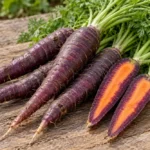
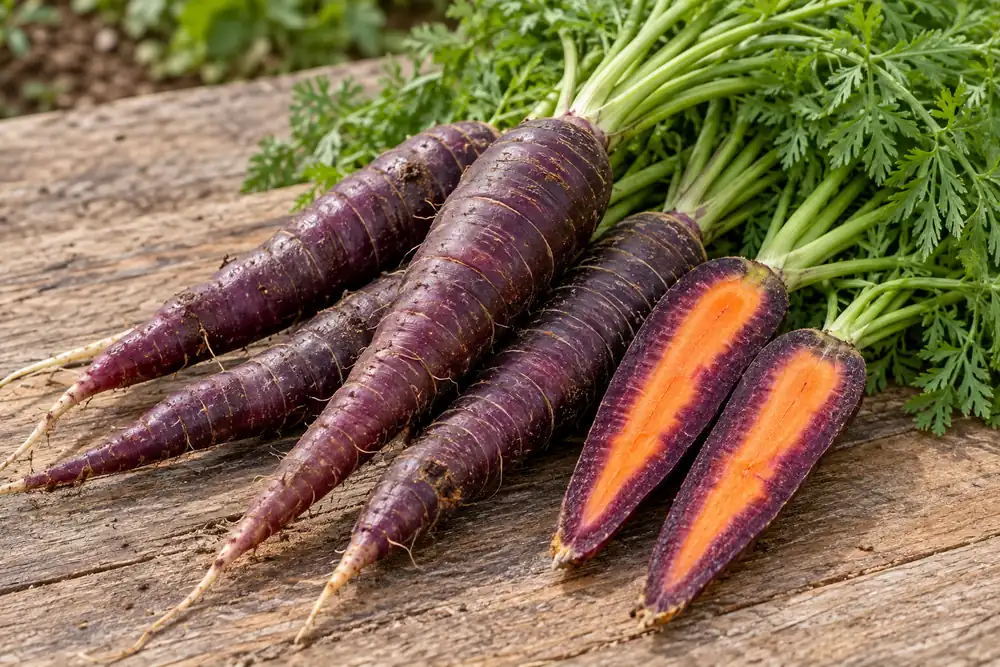
Carrot varieties can carry purple color in the outer root and farther into the flesh. USDA Agricultural Research Service carrot research led by Philipp Simon documents the variation in carrot color. Anthocyanins contribute the purple pigment. The orange interior in some purple carrots remains a different visible trait, so choose a packet that describes the core if cut slices matter to you.
Start with soil that allows the root to develop to the variety’s expected length. A shorter root may be a more practical choice in a shallow or difficult bed. Good carrot seedbed preparation and thinning still matter when the variety is purple. Color does not compensate for crowding or a crust that prevents seedlings from emerging.
A freshly cut carrot can feel firm and crisp, with a sharp contrast between its colored outer layer and core. Use that cross-section when comparing varieties for raw slices. If a meal needs color throughout the piece, an orange-centered root may give a different result from the one you expected from the uncut carrot.
2. Purple potatoes
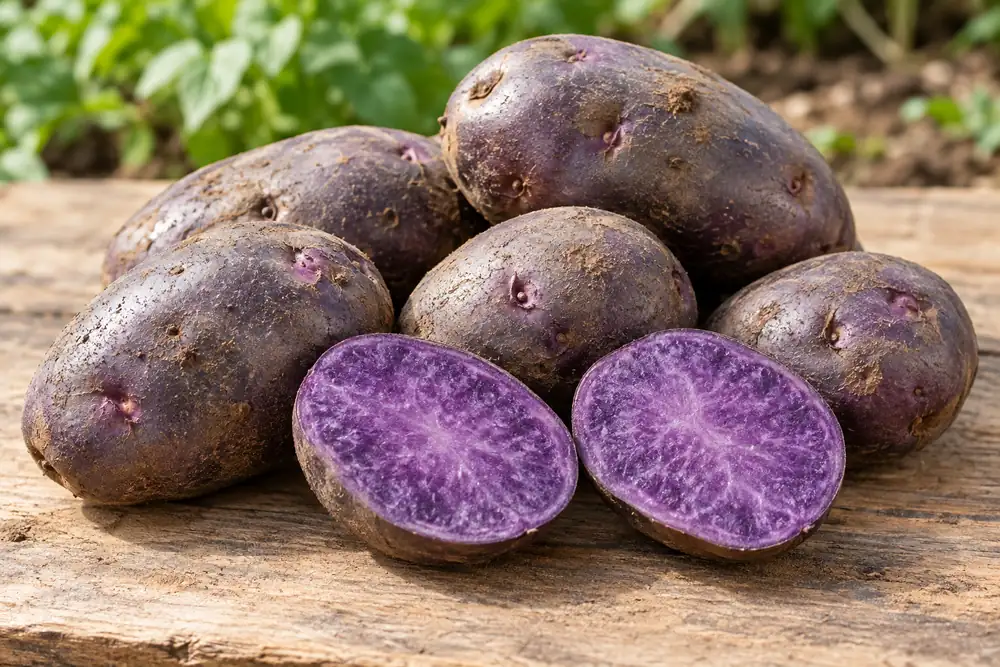
Blue-fleshed choices include Purple Majesty and All Blue in Oregon State University Extension’s regional vegetable variety list. White-fleshed choices include Purple Viking. The name and exterior therefore need to be checked against the flesh description before buying planting stock.
Choose suitable seed potatoes and allow the crop its own planting space. A potato tuber is different from a carrot root, even when both end up in the same basket. Use local potato growing guidance for planting and harvest timing. The Oregon list identifies real varieties; its coastal growing recommendations are not a nationwide calendar.
For kitchen use, compare a cut piece before planning a dish around the color. A dark skin can make an uncut tuber look almost black, with much lighter flesh underneath. Keep variety labels through harvest so that the next year’s planting choice comes from the result you actually wanted.
Purple Brassicas Need Crop-Specific Cool-Season Conditions
3. Purple cauliflower
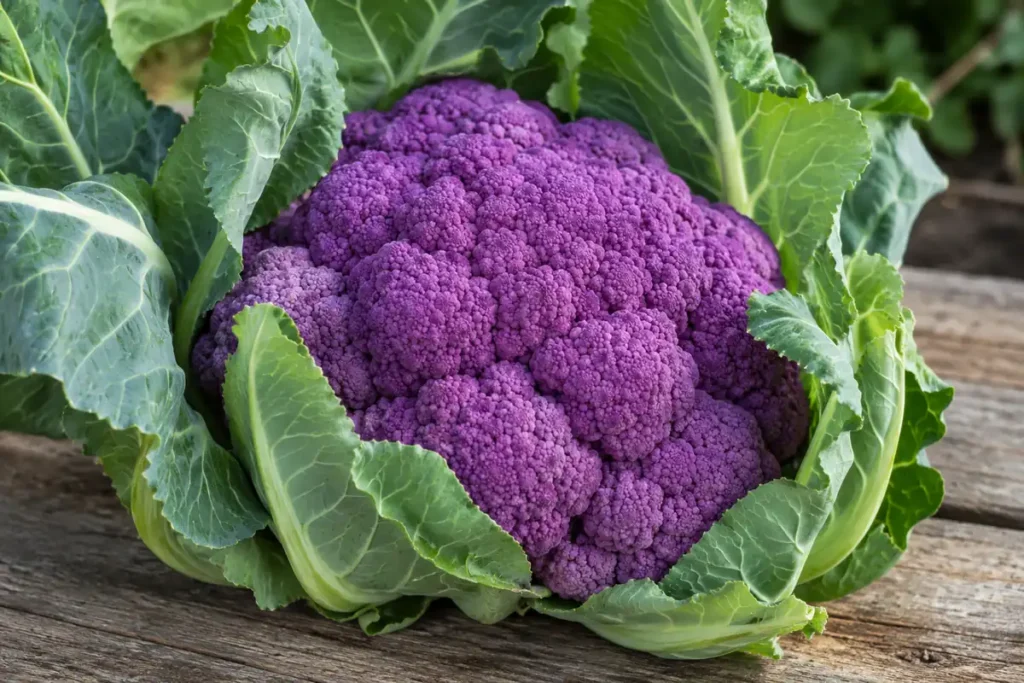
Graffiti and Violet Queen are named purple cauliflower selections in Oregon State’s guidance. The edible head is the curd, harvested before its flowers open. Purple plants still need suitable cauliflower weather and enough moisture to develop a useful head. A colored variety does not remove the crop’s sensitivity to stress.
Leave colored curds exposed to the light needed for their color. University of Minnesota Extension distinguishes colored cauliflower curds from white-head blanching. Tying leaves over a purple head to keep it white defeats the purpose. This growing practice is separate from briefly boiling vegetables during food preparation.
4. Purple kohlrabi
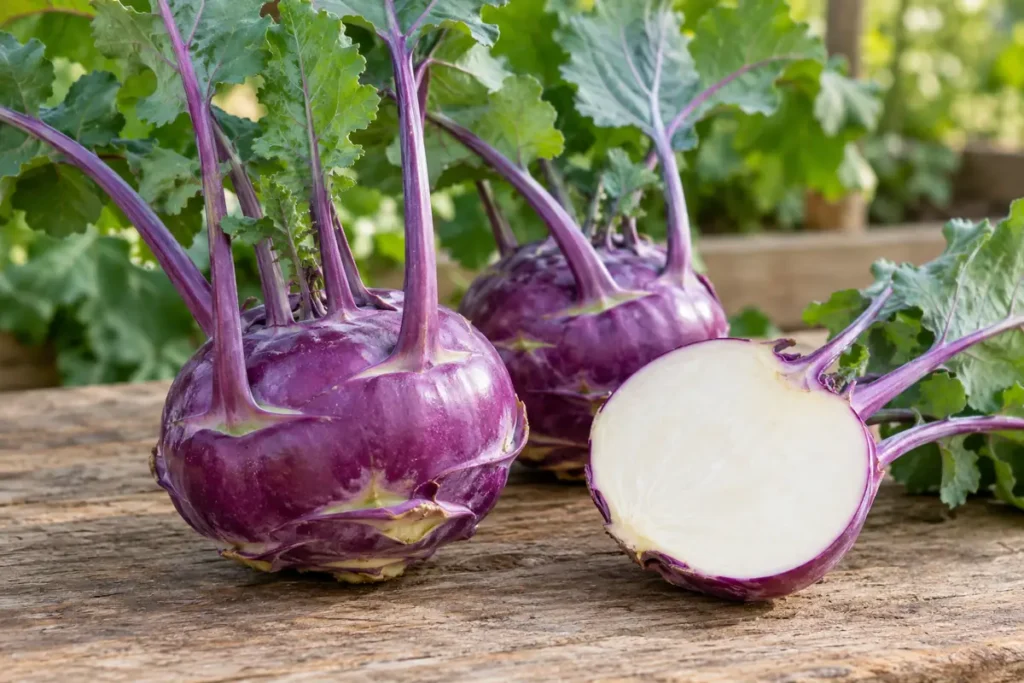
Konstance F1 is a purple kohlrabi identified in the University of Illinois Extension report on 2025 All-America Selections winners. It gives you a named starting point for seed research. Match spring or fall planting to the local conditions for this cool-season crop; a reported trial maturity is not a promise for every garden.
Look for the swollen stem and its projecting leaf stalks when identifying kohlrabi. The purple exterior can cover a pale cut surface. A slice has a different visual effect from a whole stem on the counter. Decide whether you want garden color, an exterior accent, or a purple interior before choosing it for a meal.
5. Purple-red kale
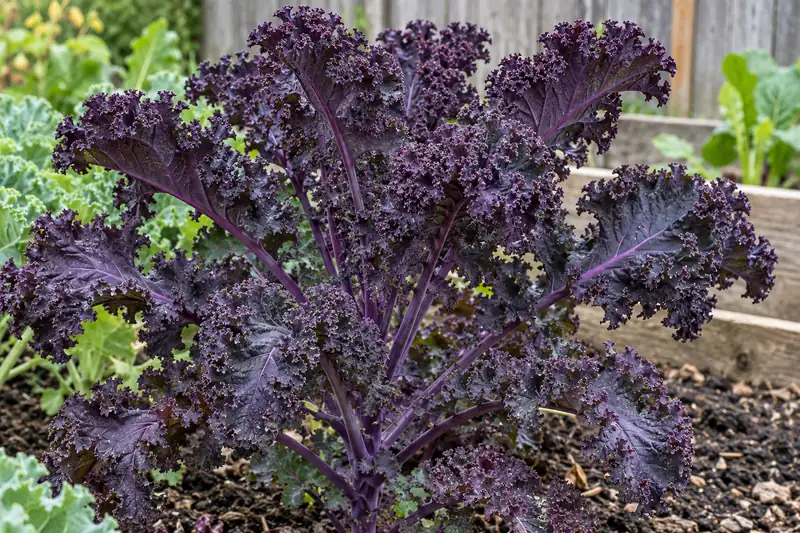
Redbor is a purple-red curly kale option, and the Oregon coastal variety list includes it among kale choices. Frilled edges and a layered leaf surface make the color more varied than a smooth cabbage leaf. Light catches the ridges, so a plant can appear reddish in one view and darker purple in another.
Allow the plant to reach its expected size and choose leaf harvesting appropriate to the variety. A dense row of seedlings does not show the mature shape. Keep the packet name with the planting, particularly when comparing a curly purple leaf with a flatter red-stemmed kale. Similar color is not identical plant structure.
6. Red cabbage
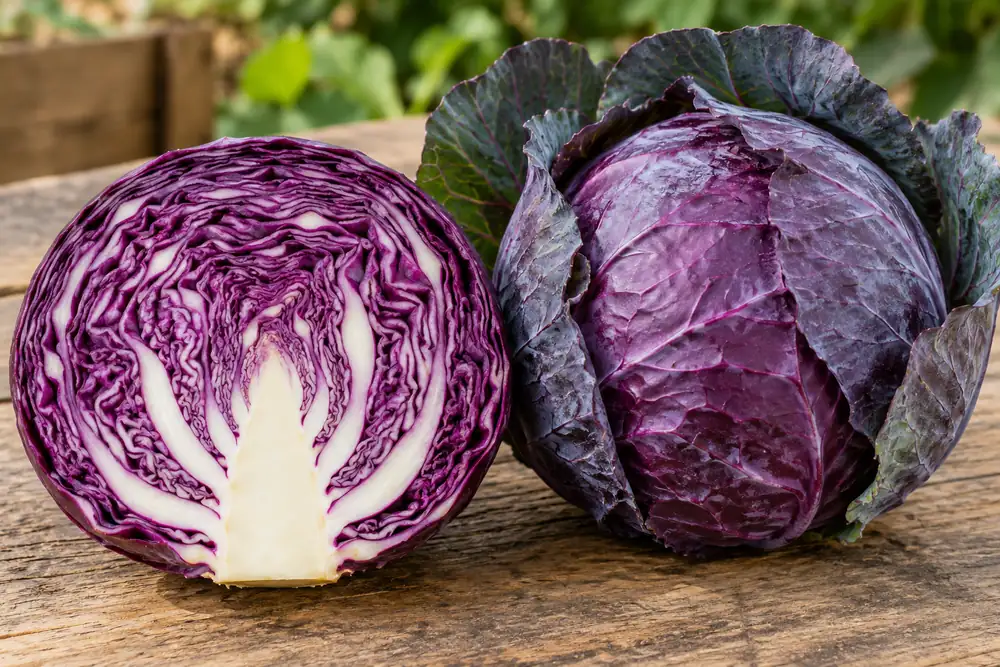
Red cabbage commonly appears purple when harvested. Ruby Perfection is a named heading variety in Oregon State’s coastal list. The edible leaves close together into a head, so both head development and mature spacing matter. It is a different harvest from picking individual kale leaves.
A tight head feels firm, and a cut surface shows leaf layers packed around pale veins. Keep that structure in mind when planning a small bed. A cabbage needs room for its head and outer leaves. Adding one for color can use more space than a short row of leaf greens, even though both crops are brassicas.
Asparagus Shoots and Eggplant Fruit Need Different Timelines
7. Purple asparagus
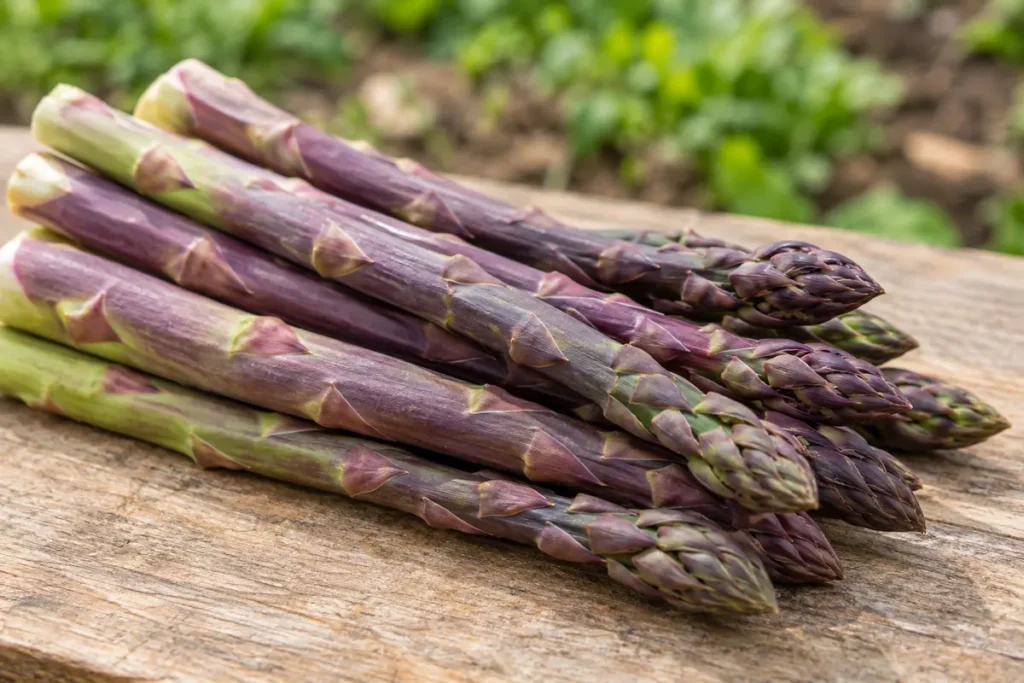
Purple Passion is a purple asparagus variety listed by University of Minnesota Extension. Its spears are young shoots from a perennial crown. The planting needs time to establish before substantial harvesting. A new bed cannot be treated like a quick annual leaf crop just because the spring shoots look ready to cut.
Reserve an appropriate permanent position and follow local asparagus establishment guidance. After a permitted harvest period, foliage growth replenishes the crown’s reserves for future seasons. If you mainly want a small first-year color experiment, an annual crop may fit your space and timetable better.
8. Purple eggplant
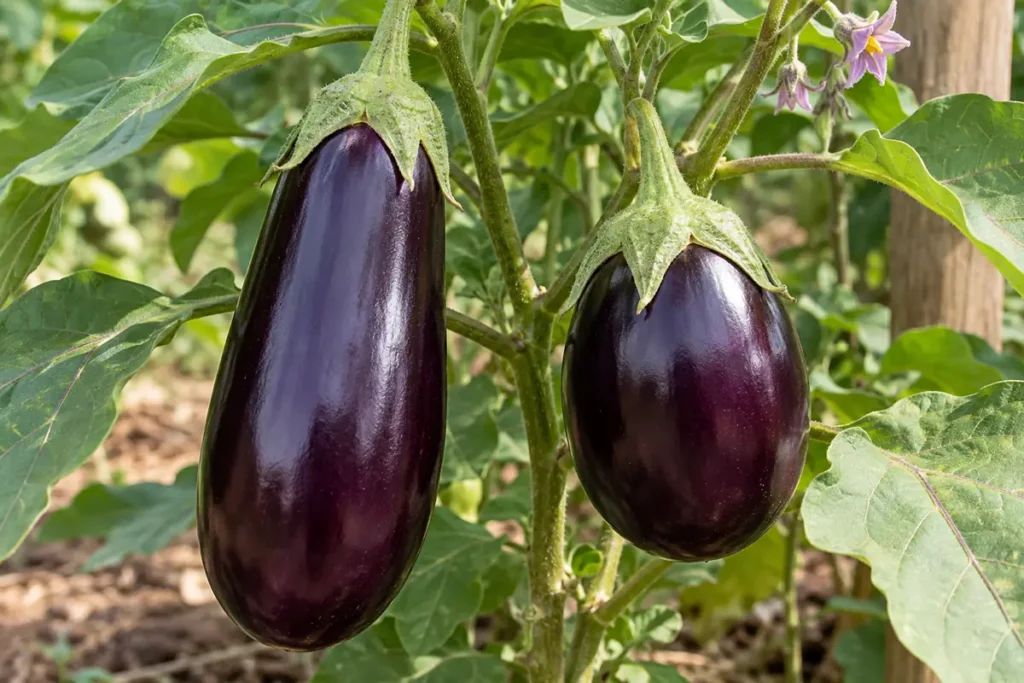
Many eggplant varieties carry purple fruit skin, with shapes ranging from slender to broad and oval. A glossy fruit with a green calyx gives a clear crop clue; it does not establish a particular cultivar. Read the nursery label for mature plant size and fruit form before buying a transplant.
Give eggplant a suitable warm growing window. Its growth from transplant to harvestable fruit depends on conditions that differ from cool-season cabbage and kale. Oregon State’s coastal advice warns that eggplant can struggle where warmth is limited. A purple garden plan still needs to respect that climate difference.
Read the Variety Description Before Expecting Purple Flesh
Three separate questions help: which plant part is purple, how far the color extends inside it, and what happens during preparation. A purple carrot’s orange core, a purple potato’s colored flesh, and an eggplant’s dark skin answer those questions differently. The exterior photograph settles only the first.
When ordering, record the crop, exact variety, flesh description, and maturity information. At harvest, cut a representative sound piece and compare it with that description. Keep the observation with the label. This small record helps you repeat a color result without relying on a remembered photograph from a seed catalog.
Do not assign a cultivar name to an unidentified supermarket vegetable. You can identify a purple cauliflower or a red cabbage as a crop without knowing its variety. For planting, obtain labeled seed or suitable planting stock. That gives the next crop a traceable identity.
Different Pigments Change Color During Preparation
Purple is not one chemical explanation. USDA research identifies anthocyanins in purple carrots, and its agricultural colorant report includes purple potato and red cabbage pigments. Red table beets provide a useful exception: their red-purple pigments are betalains. A dark edible plant part does not establish that it contains the same pigments as every other one.
Heat, acidity, and the way a food is processed can change color. The USDA Agricultural Marketing Service report examines agricultural colorants, so its findings cannot supply an exact color-retention percentage for every cooked vegetable. Make a small test portion when a particular shade matters. Judge the prepared food, not only its raw appearance.
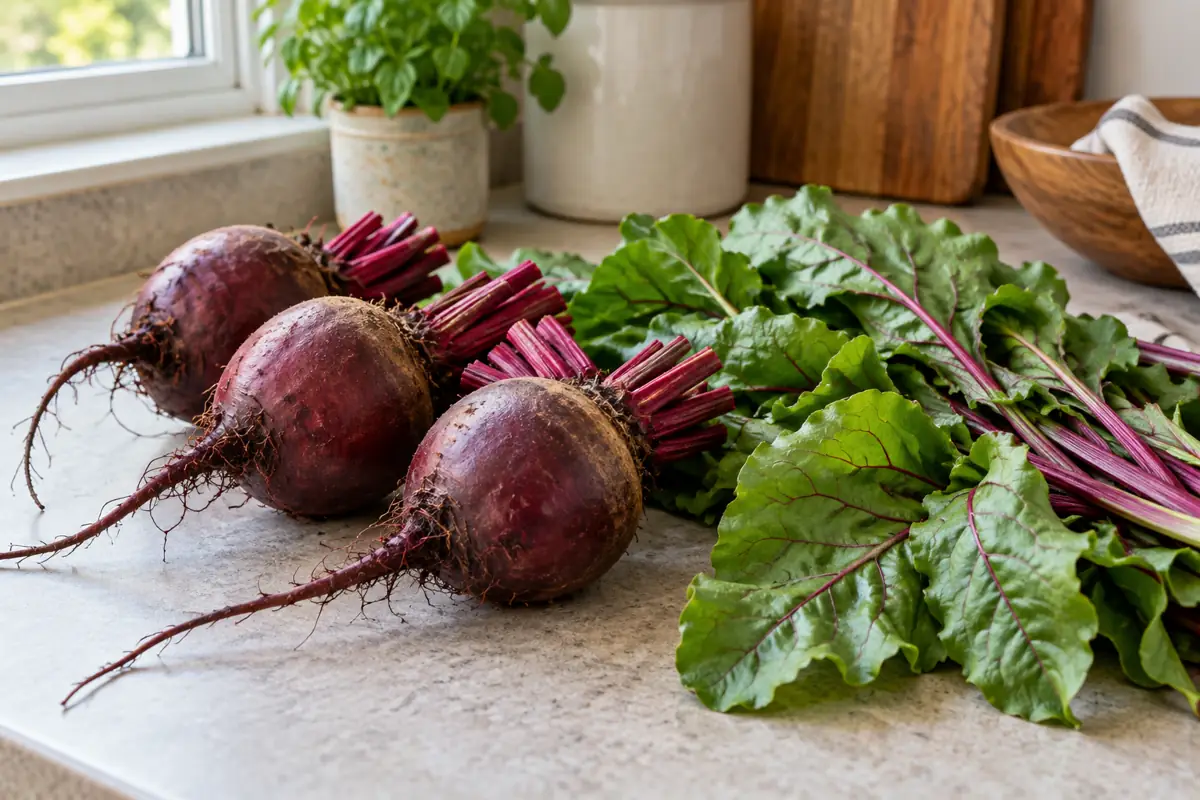
For a red beet harvest, proper beet storage and freezer preparation keeps the handling method tied to the crop. A beet and a purple potato both look dark, but that does not give them interchangeable preservation steps. Use a tested method for the food you have.
Fit the Crop to Your Bed and the Meal
Choose a crop you can grow and use before choosing several merely for color. In a small vegetable garden, the space occupied by a cabbage head or perennial asparagus matters. A short carrot row, a kale plant, and a warm-season eggplant also need different planting dates and mature space.
Check the light, local season, root space, and harvest you want. Then buy the purple variety that fits those conditions. If you want raw contrasting slices, an orange-core purple carrot may be useful. For color through a potato piece, look for colored flesh. Compare kale varieties for individual leaf picking before reserving space for a heading cabbage.
Purple color is a visible selection trait, not proof of superior flavor, a particular nutrient dose, or a medical benefit. Grow the crop well, handle the harvest appropriately, and prepare it in a form you enjoy. That gives the color a practical place in the garden and the kitchen.
Conclusion
Choose among purple carrots, potatoes, cauliflower, kohlrabi, asparagus, kale, cabbage, and eggplant by edible part and growing conditions. Verify interior color when it matters, keep variety labels, and separate annual planting from perennial establishment. A few well-chosen crops can give you a colorful harvest without forcing unlike plants into the same season or care routine.