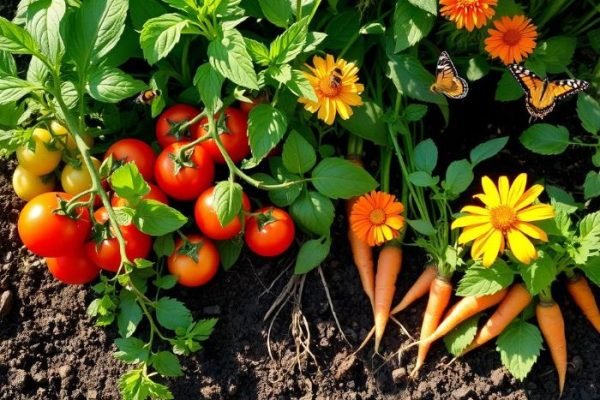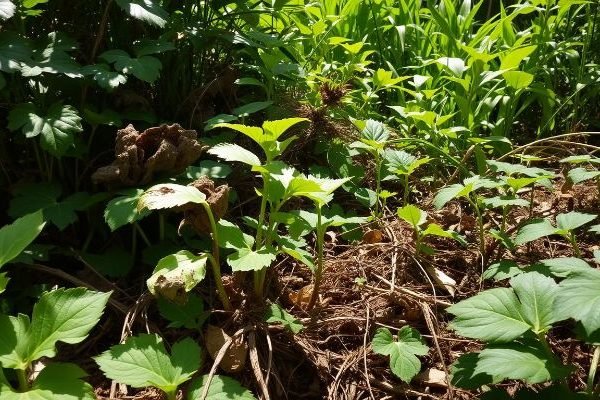


Gardener harvesting fresh vegetables from a thriving perennial food garden, demonstrating successful companion planting techniques.

How to Use Companion Planting in Perennial Food Gardens for Long-Term Benefits

Ever wondered how some gardeners grow lush, thriving gardens without chemicals? The secret is companion planting! It’s an ancient practice that pairs plants to boost growth, fight pests, and improve soil. Discover how these partnerships can change your gardening. Companion planting uses the special bonds between plants. It’s based on old wisdom from farmers worldwide….

Read More
Drone flying over a field of flowering crops, demonstrating automated crop management systems for modern agriculture.

Automated Crop Management Systems

Technology is changing farming in big ways. It’s making farming more sustainable and productive. Automated crop management systems are leading this change. These systems use advanced tech like AI in agriculture. They give farmers real-time info on soil, crop health, and resources. This helps farmers make better choices, leading to more food and better farming….

Read More
Tranquil herbal garden with blooming flowers, stone path, and a peaceful seating area, designed for mindfulness and relaxation in a natural setting.

Herbal Gardens for Mindfulness – Designing Spaces for Calm and Focus

Cultivating an herbal garden engages the senses and interrupts habitual patterns of distraction. This process grounds attention in the present, supporting both mental clarity and emotional regulation. By actively tending to medicinal and aromatic herbs, gardeners anchor mindfulness practices in daily routines and create a living environment optimized for relaxation, reflection, and stress relief. Key…

Read More
A vibrant garden with aromatic plants like lavender and marigolds growing alongside vegetables, attracting butterflies and promoting natural pest control.

How to Match Aromatic Plants in Companion Planting for Pest Control and Pollinators

Aromatic plants release volatile compounds that influence insect behavior. In companion planting, these natural emissions can reduce pest pressure while attracting beneficial insects that improve pollination and crop health. By understanding which plants produce specific scents and how these scents interact with local ecosystems, gardeners can design planting arrangements that improve yield without synthetic pesticides….

Read More