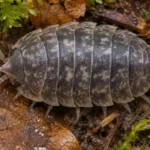
Pill bugs are land-dwelling crustaceans that usually eat decaying plant material in damp garden litter. The rounded animals commonly called roly-polies can curl into a ball. Their flatter sowbug relatives have small projecting parts at the rear. Both belong among a garden’s decomposers, and finding them beneath a pot does not establish that they damaged the plant beside it.
Tender seedlings and fruit resting on wet soil need a closer check. Isopods can feed on living tissue, especially where soft growth meets persistent damp shelter. A disappearing transplant may also involve slugs, earwigs, cutworms or disease. Check the fresh injury and inspect after dusk before choosing control. Keep harmless populations where plants are growing normally. Where feeding is confirmed, protect that vulnerable plant and change the nearby shelter and surface moisture without drying its roots or stripping useful mulch from the entire garden.
Found roly-polies? Check the plant first
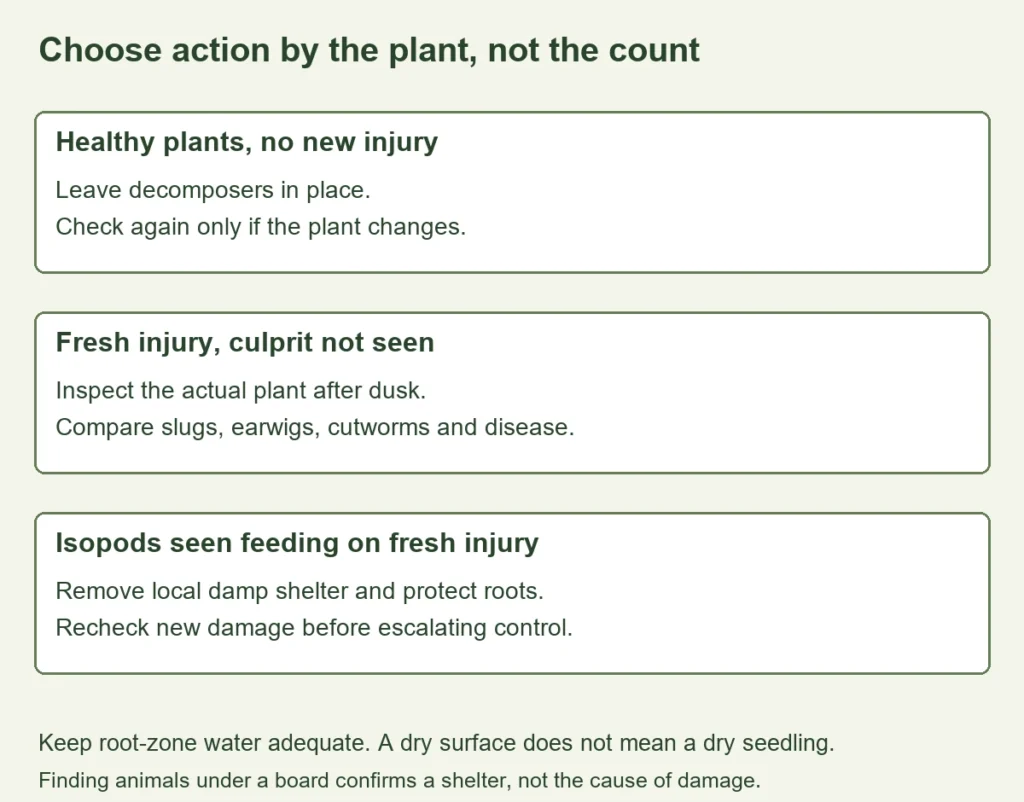
- Healthy growth: leave them alone; decaying leaves are their usual food.
- New chewing: inspect the same plant after dusk. Animals under a nearby board are not proof of feeding.
- Confirmed feeding: clear unnecessary wet debris locally, adjust irrigation and keep fruit off damp soil.
- Continuing losses: obtain a local diagnosis before selecting a product labeled for the crop, site and pest.
Key Takeaways
- Count seven adult leg pairs to distinguish isopods from insects.
- Compare rolling behavior and rear appendages when separating common types.
- Inspect fresh injury after dusk before blaming nearby decomposers.
- Move damp shelter locally without drying vulnerable plant roots.
- Judge success by new growth and reduced fresh damage.
Table of Contents
Pill Bugs Have Armored Plates and Seven Adult Leg Pairs
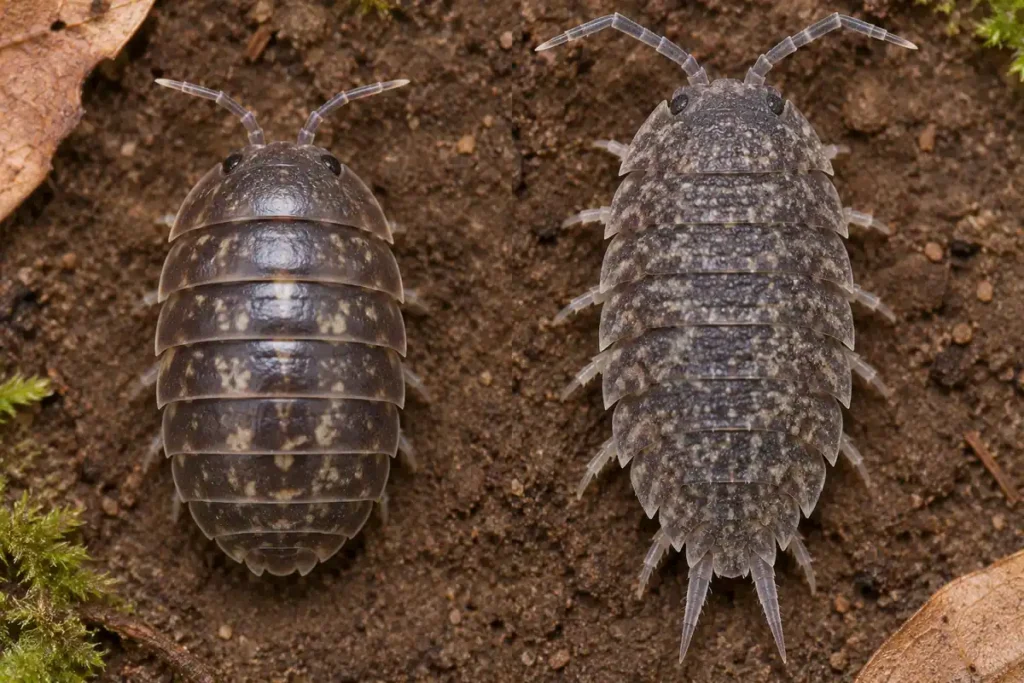
Look for an oval body covered by overlapping plates, short walking legs tucked underneath and prominent antennae at the head. Adults have 14 walking legs arranged in seven pairs. An insect has six legs total, or three pairs. These animals are terrestrial isopods, related to aquatic crustaceans; they are not beetles.
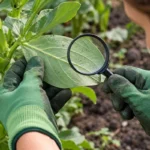
Inspect with a hand lens or a sharp close-up photograph. Legs may be hidden under the body, so a view from directly above cannot reliably show their number. Tiny newly emerged young need additional care in identification; the adult count is the useful comparison, not a reason to discard a very young specimen as something unrelated.
Compare the rear outline and rolling behavior
Many familiar pill bugs form a tight ball when disturbed. Common sowbugs remain flatter and usually run for shelter. Their paired rear appendages, called uropods, project beyond the body’s outline. A pill bug’s rear looks more compact. Combine those signs; color alone is unreliable across species, ages and freshly molted animals.
Species identification can require much smaller anatomical details than a garden photograph records. Compare body shape and rear appendages for a first identification in the garden. University of Kentucky’s identification guidance also distinguishes common pillbugs and sowbugs by their body shape and ability to roll.
Decaying Leaves Are Normal Food; Soft Living Tissue Is Possible
Dead leaves, decomposing stems and other softened plant debris supply much of their food. Chewing breaks that material into smaller pieces during decomposition. Iowa State University describes sowbugs as usually more beneficial than harmful in the landscape. A cluster beneath moist leaf litter can be part of ordinary decomposition, not a population that requires treatment.
The same sheltered patch may sit beside a newly planted seedling. Fresh, tender tissue is easier to damage than an established plant’s tougher growth. Texas A&M documents feeding on small transplants and ground-contact fruit, particularly during wet periods. That possibility deserves inspection when plants decline; it does not turn every isopod sighting into a pest diagnosis.
Expect daytime shelter under damp boards, fallen leaves, pots and low vegetation. The ground feels cool beneath those objects even after the exposed surface warms. Moisture helps these animals avoid drying out, and they commonly become more active at night. Repeated evening sprinkling can keep the feeding area and shelter wet together.
Healthy roots still need water. Turning off irrigation until a transplant wilts trades a suspected chewing problem for water stress. Separate the exposed surface from the root zone: a less persistently wet surface can coexist with adequate moisture around the roots. Check both places before changing a watering schedule.
Watch Fresh Injury After Dusk to Confirm Actual Feeding
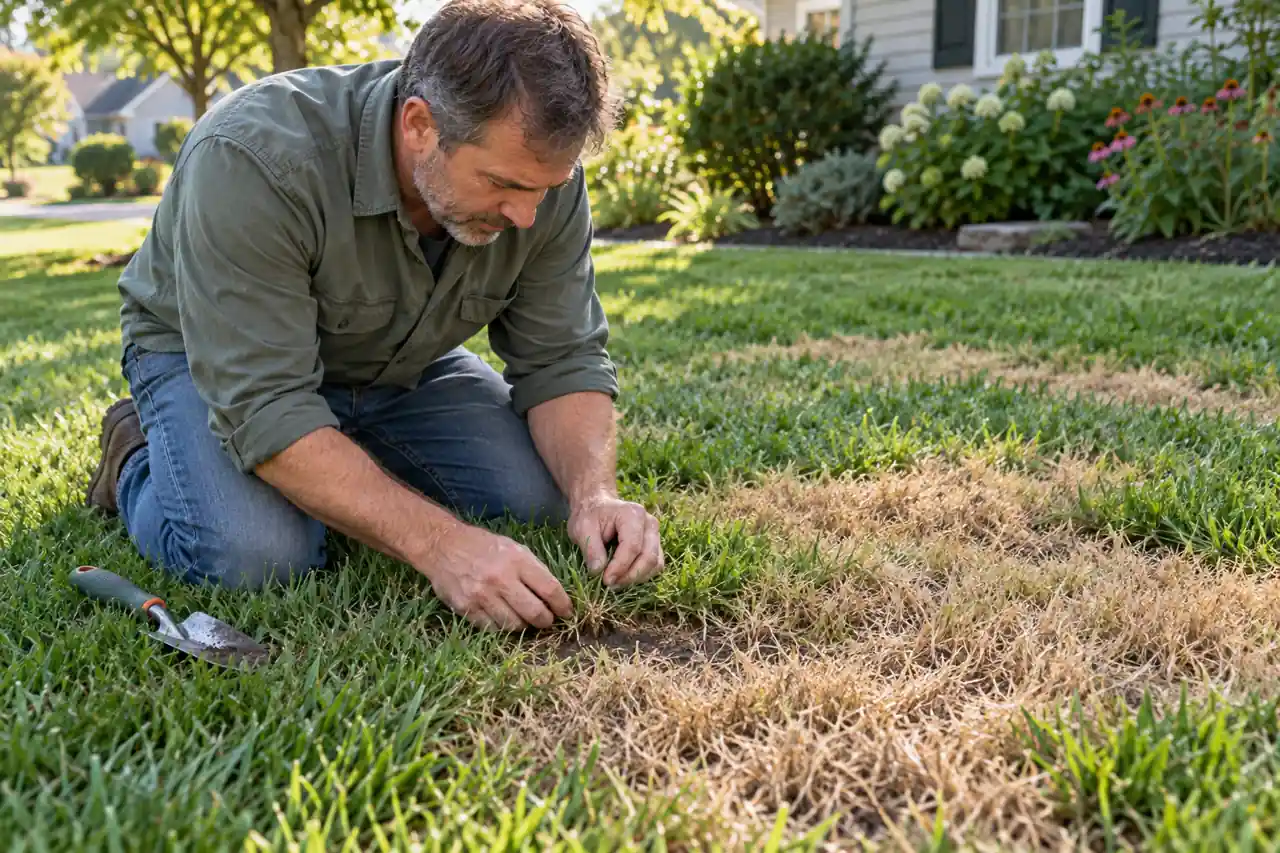
Start with the damaged plant, not the nearest hiding place. Photograph the edge of a chewed leaf, remaining stem or fruit wound in daylight. Note whether tissue looks freshly removed or is already soft, brown and decaying. Return with a flashlight after dusk and examine the injured part, the soil line and nearby cover.
Seeing an isopod actively chewing previously intact tissue beside a fresh wound is stronger evidence than seeing several on an already rotting leaf. Keep watching long enough to distinguish feeding from simply walking across it. A phone photograph that includes the animal and the damaged plant can help a local diagnostic service assess an uncertain case.
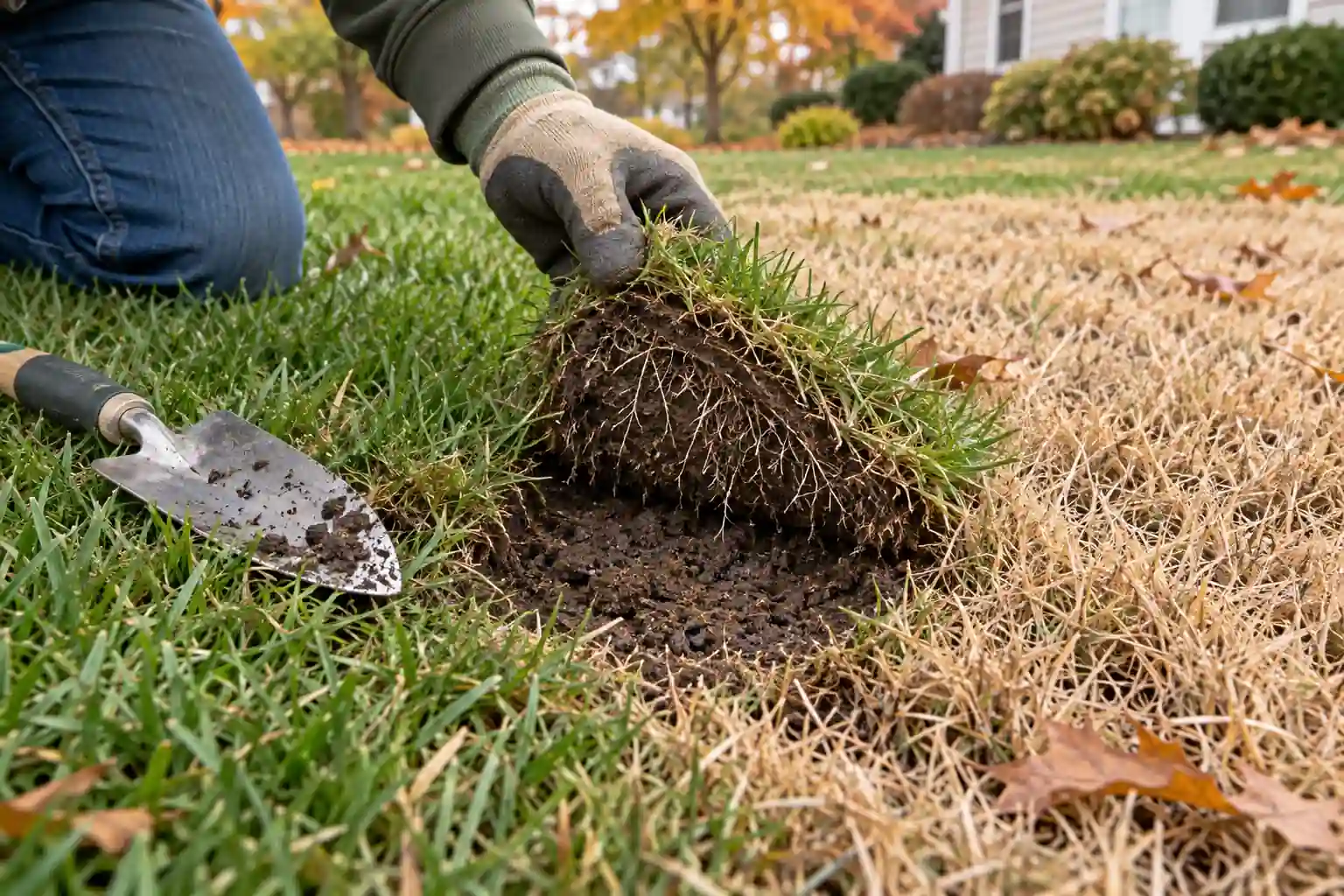
A wilted seedling with a pinched, discolored stem may have failed before scavengers arrived. Diagnose the stem and root condition along with the animals. Several seedling problems can leave plants collapsed at soil level, and a nearby decomposer cannot explain the sequence on its own.
Compare affected seedlings with neighboring healthy plants
Mark a few affected seedlings and check neighboring healthy ones under similar conditions. Record new injury the next morning. If only the plants beside a soggy board are losing tissue, start there. If seedlings across the tray collapse without chewing, investigate root conditions and disease before changing pest control.
Do not set a numerical treatment threshold from the number found under one stone. Shelter concentrates animals. Ten under a board beside healthy plants and two observed chewing a vulnerable crown call for different responses. The plant’s survival and repeated fresh feeding determine the urgency.
| Possible cause | Useful sign | What the sign cannot prove |
|---|---|---|
| Pill bugs or sowbugs | Plated oval body; adults have seven leg pairs; check active feeding at night | A daytime cluster under mulch does not establish plant damage |
| Slugs | Soft unsegmented-looking body, chewing and possible slime trails | No visible trail does not exclude a slug |
| Earwigs | Six legs and forceps at the rear; inspect feeding | Rear forceps differ from sowbug uropods; presence still needs context |
| Cutworms | Caterpillar near soil-line damage; some curl when disturbed | A severed stem alone does not identify the culprit |
| Root or stem disease | Soft roots or a pinched, discolored stem; no clear feeding evidence | Scavengers on dead tissue may be secondary visitors |
Slugs, Earwigs and Stem Failure Need Different Responses
Slugs move on a soft muscular foot without rows of jointed legs. Slime can help identify their route, especially on smooth surfaces. A dry morning may leave little obvious residue. Look for the animal during a damp evening. One leaf without a trail does not rule it out.
An earwig has a narrow insect body and a pair of forceps at the rear. Those forceps are not the small paired projections on a sowbug’s abdomen. Earwigs can consume other small animals as well as plant tissue, so identify the feeding activity before treating them as the cause of every hole.
Cutworms are caterpillars, not plated isopods. Examine just around a freshly damaged plant for a resting larva without tearing through healthy roots. A missing seedling is harder to diagnose than a plant with a fresh wound and a visible feeder. Keep photographs and a safely contained specimen for Extension identification if the distinction remains uncertain.
Small translucent fungus gnat larvae have a dark head and belong to another life stage entirely. They are not miniature sowbugs. Their presence points toward a different investigation of growing media and roots. Avoid applying a remedy chosen for one creature to every animal discovered in the same wet bed.
Reduce Local Wet Shelter Without Drying Seedling Roots
Where feeding is confirmed, remove avoidable shelter immediately beside the damaged plants. Lift discarded boards, empty pots, fallen fruit and thick mats of wet clippings. Inspect their undersides before moving them. Keep useful organic matter elsewhere in the bed where plants remain healthy.
Surface moisture and nearby litter are management targets in University of California IPM guidance. Temporarily pull mulch away from a vulnerable crown so the stem is visible and the surface can dry between waterings. There is no universal clearance radius that fits every crop and climate. Leave enough space to inspect the actual injury. Watch the plant and the exposed soil to assess that clearance.
Useful mulch for soil health still reduces evaporation and moderates soil conditions. Removing all of it can expose shallow roots to heat and rapid moisture loss. A localized change around a damaged seedling allows you to assess the problem without dismantling the bed’s moisture protection.
Water the roots and inspect the surface separately
Check moisture at the root ball before watering again. Where the crop and weather allow, irrigate earlier in the day so exposed surfaces have time to dry before evening. Repair a leaking emitter or sprinkler that repeatedly soaks a board or fruit resting area. Drip irrigation can target the roots, but a continuously leaking drip line still maintains wet shelter.
Keep low fruit from prolonged contact with damp soil using a clean, suitable support that does not damage the plant. Remove fallen overripe fruit. Examine the contact side during harvest; an existing soft wound can attract several scavengers, and the animal found there may not have made the first opening.
Handle transplants gently and avoid creating additional stem wounds during inspections. A stronger transplant has more tissue than a newly emerged seedling, yet transplant size alone is not protection against heavy feeding. Replant only after checking why the previous plant failed and correcting the condition you can identify.
Recheck New Growth Before Escalating Control
A temporary shelter board can help reveal which animals are active in an affected area. Check it promptly and remove it when the observation is finished. Oregon State Extension question-and-answer advice includes board or fruit-rind collection, but these are small-scale monitoring or hand-collection options, not proof that a fixed proportion of a garden population will be removed.
Do not leave fruit scraps or a damp board indefinitely beside struggling seedlings. That adds the same food and shelter you are trying to reduce. An animal beneath the board establishes that it used the shelter; you still need the plant check to connect it with damage.
Track fresh wounds and surviving new leaves over subsequent inspections. Old holes will remain after feeding stops. If the next leaves expand normally and seedlings stay upright, continue observation without adding treatments simply because some woodlice remain under distant mulch.
Persistent losses justify local help with identification and growing conditions. Combine a photograph of the animal, the injured plant, irrigation pattern and timing. This follows natural pest control: verify the cause, protect the plant and check whether the chosen change reduced damage.
Garden pesticide decisions require a current label that permits the pest, site and crop. A product sold for slugs is not automatically suitable for pill bugs, and an old Extension product list is not a substitute for today’s label. Keep children, pets and other animals within all stated precautions. Do not improvise a household detergent mixture or transfer a farm insecticide recommendation to a vegetable bed.
Scale matters here. Iowa State’s 2020 field-crop discussion reports difficult isopod management in high-residue no-till soybean systems, including situations where clearing crop rows did not work. That is not a prescription to till a home garden on a fixed schedule. Local shelter adjustments are a measured first response around particular damaged plants, not a guaranteed cure for every site.
Conclusion
Keep pill bugs where they are breaking down dead plant material without harming growth. Investigate fresh damage at the plant itself, especially around tender seedlings and damp ground-contact fruit. When feeding is confirmed, reduce nearby wet shelter, maintain root moisture and check the next growth. A smaller patch of new injury is a useful outcome; a garden emptied of decomposers is not the goal.