
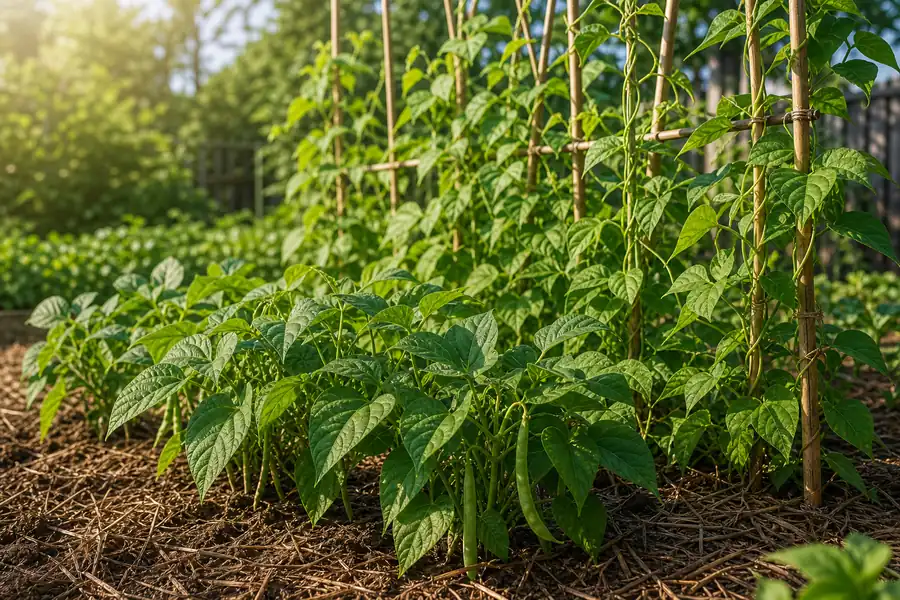
How to grow green beans starts with warm soil, direct sowing, and choosing the plant habit before the seed packet is opened. Bush beans make a compact, fast crop that usually harvests in a concentrated two- to three-week wave. Pole beans take more setup, climb hard once warm weather settles in, and keep producing as long as pods are picked young.
The mistake is starting too early or treating both types like the same plant. Cold soil rots bean seed. Weak supports fail after vines start wrapping. Heavy nitrogen pushes leaves at the expense of pods. Green beans reward simple timing, loose soil, even moisture, and harvest discipline more than complicated feeding.
Green Bean Setup At A Glance
Wait for warm soil, sow seeds outdoors, and match the support to the bean type before seedlings emerge.
Key Takeaways
- Direct sow beans after soil has warmed.
- Choose bush beans for compact quick harvests.
- Build pole supports before vines start climbing.
- Water at soil level to protect shallow roots.
- Avoid heavy nitrogen before pods begin forming.
Table of Contents
Plant Green Beans Directly When Soil Is Warm
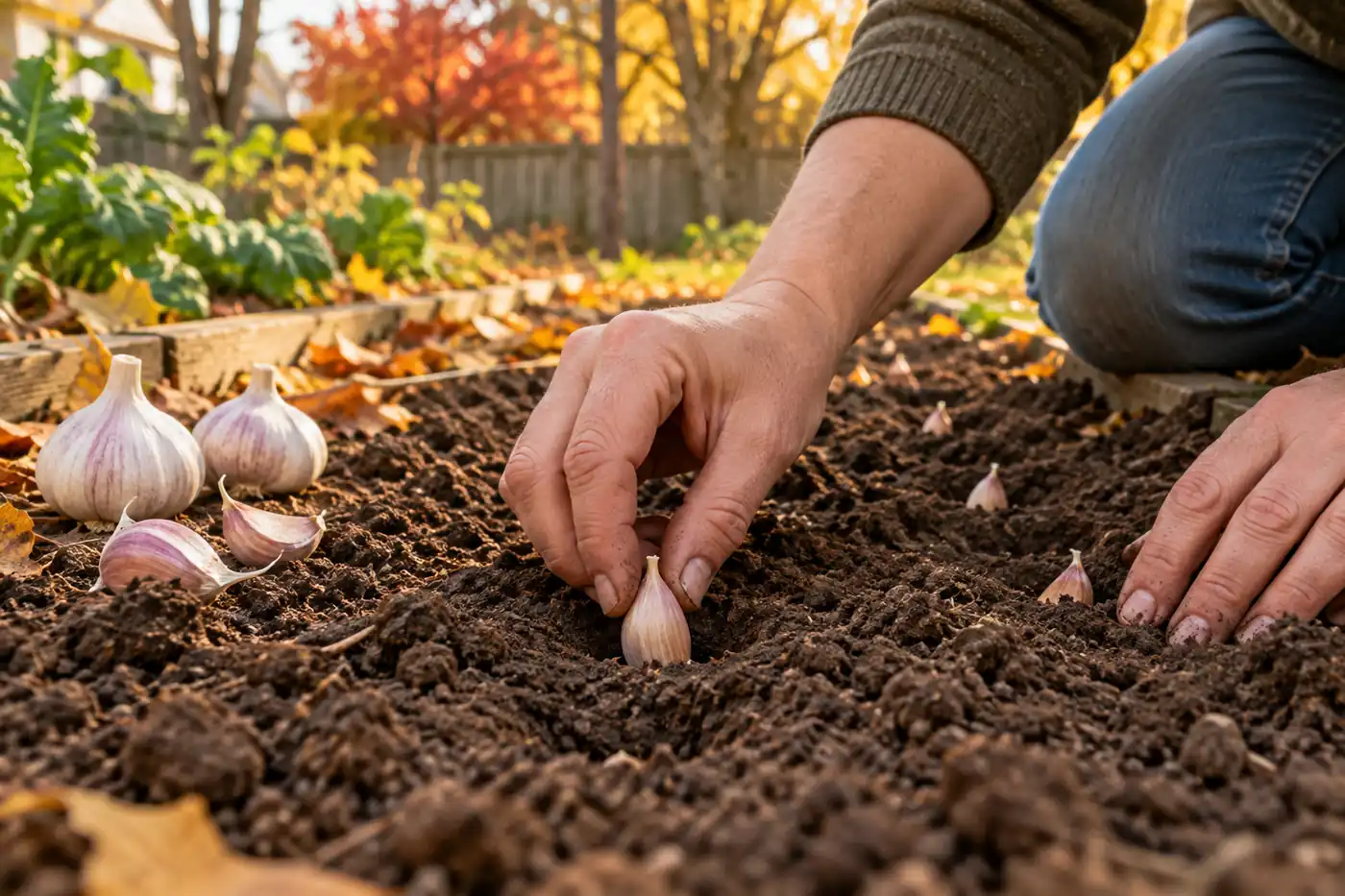
Green beans are best sown directly in the garden. The seed is large, the seedling grows quickly, and the young root does not gain much from being handled indoors first. A bean that germinates in its final row builds its root system exactly where moisture, warmth, and support will be managed.
Wait until frost risk has passed and the soil feels warm several inches down. Seed can rot when cold rain sits in the row, especially in dense soil that seals over the seed. Warm soil gives a fast, even stand; cold soil gives gaps that tempt replanting in patches.
Beans plant more reliably once soil reaches about 60 F. That threshold is a useful practical line. Below it, the seed may sit. Above it, seedlings usually break the surface with enough energy to outrun small setbacks.
Soil temperature matters more than the calendar date printed in a seed-starting chart. A protected raised bed may warm earlier than a low clay bed. A dark container can warm fast in sun, then dry fast later. The broader logic behind soil temperature for planting applies strongly to beans because the seed itself sits in the risk zone.
Bush Beans vs Pole Beans – Which To Plant
Bush beans and pole beans are the same crop species grown in two different habits. Bush beans are compact, determinate plants that usually stand about 18 to 24 inches tall and set most of their pods in a shorter window. Pole beans are climbing vines that often run 6 to 10 feet on a support and keep flowering as young pods are picked.
Choose bush beans when space is low, supports are not ready, or you want enough pods for meals, freezing, or canning within a compact harvest window. Choose pole beans when vertical space is available and you can pick every few days for a longer season. A neglected pole bean plant shifts energy into mature seeds, and tender pod production slows.
| Choice | Height and support | Typical timing | Harvest style |
|---|---|---|---|
| Bush beans | About 18 to 24 inches; no tall trellis | Often begins around 50 to 55 days | Concentrated picking over about two to three weeks |
| Pole beans | Climbing vines, often 6 to 10 feet; tall support first | Often begins around 55 to 65 days | Repeated picking over a longer window |
| Half-runner types | Short runners; light trellis or brush support | Varies by variety and weather | Middle ground between bush and pole habits |
Bush beans are also sold as snap beans, string beans, green beans, or wax beans, depending on pod color and seed packet wording. Wax beans are the yellow-podded form, not a separate planting method. The practical point is the growth habit: a bush beans plant stays compact and finishes faster, and a pole bean plant climbs and asks for structure.
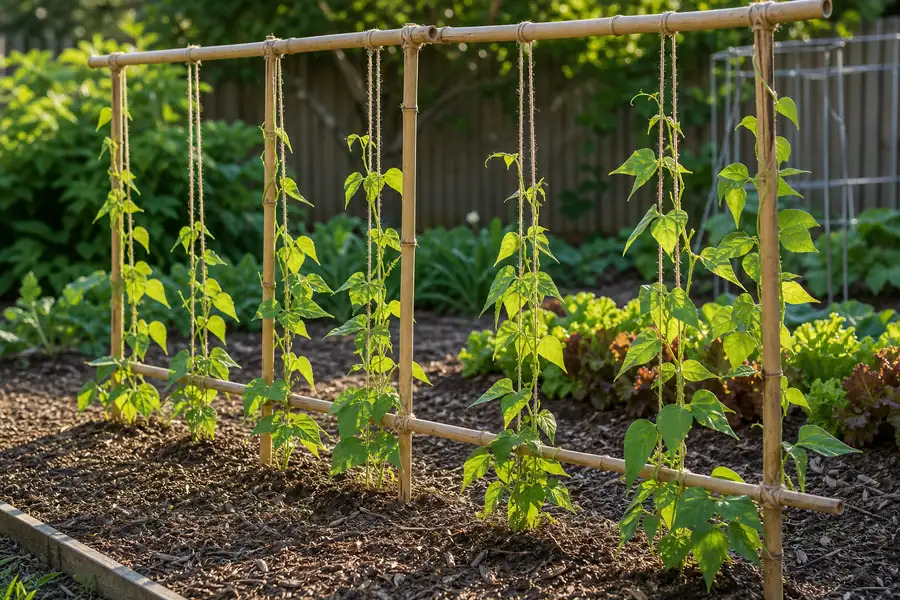
Pole support should be in place before or at sowing. Young vines start searching quickly once the weather warms. A trellis added late breaks stems, disturbs roots, and leaves vines dragging across the soil. Use a teepee, cattle panel, string trellis, netting, or fence strong enough to hold wet foliage after rain.
Use the green bean growth stages pattern as a harvest timing check, not as a reason to overmanage the plant. Once flowering starts, the job becomes simple: keep soil moisture even, pick pods young, and prevent the vines from wasting energy on old pods.
Prepare Soil For Roots, Nodules, And Even Moisture
Green beans like soil that is loose enough for quick roots and even enough in moisture to carry plants between waterings. Heavy, crusting soil delays emergence. Dry sandy soil can germinate seed well, then stress the shallow root system as soon as flowers appear.
Work compost into the bed before planting if the soil is compacted or low in organic matter. Avoid burying fresh, hot material in the seed row. Bean seed needs clean contact with soil, not a pocket of half-finished compost that heats, dries, or changes texture around the seed.
Beans are legumes, so their roots can form nodules with nitrogen-fixing bacteria. Those nodules matter most when the plant has enough root oxygen and the right bacteria are present. Loose soil and moderate moisture help that relationship more than a heavy dose of fertilizer.
Common bean grows as a warm-season annual in full sun. Full sun is the practical starting point. Shade gives lush leaves and fewer pods, especially on pole beans that already spend energy climbing.
Beans also fit neatly inside a broader vegetable garden rotation because they finish quickly and leave space for a later crop. Do not plant them into the same bed plan without thinking about airflow, picking access, and where the next sowing will go.
Sow Seeds At The Right Depth And Spacing
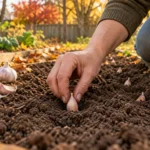
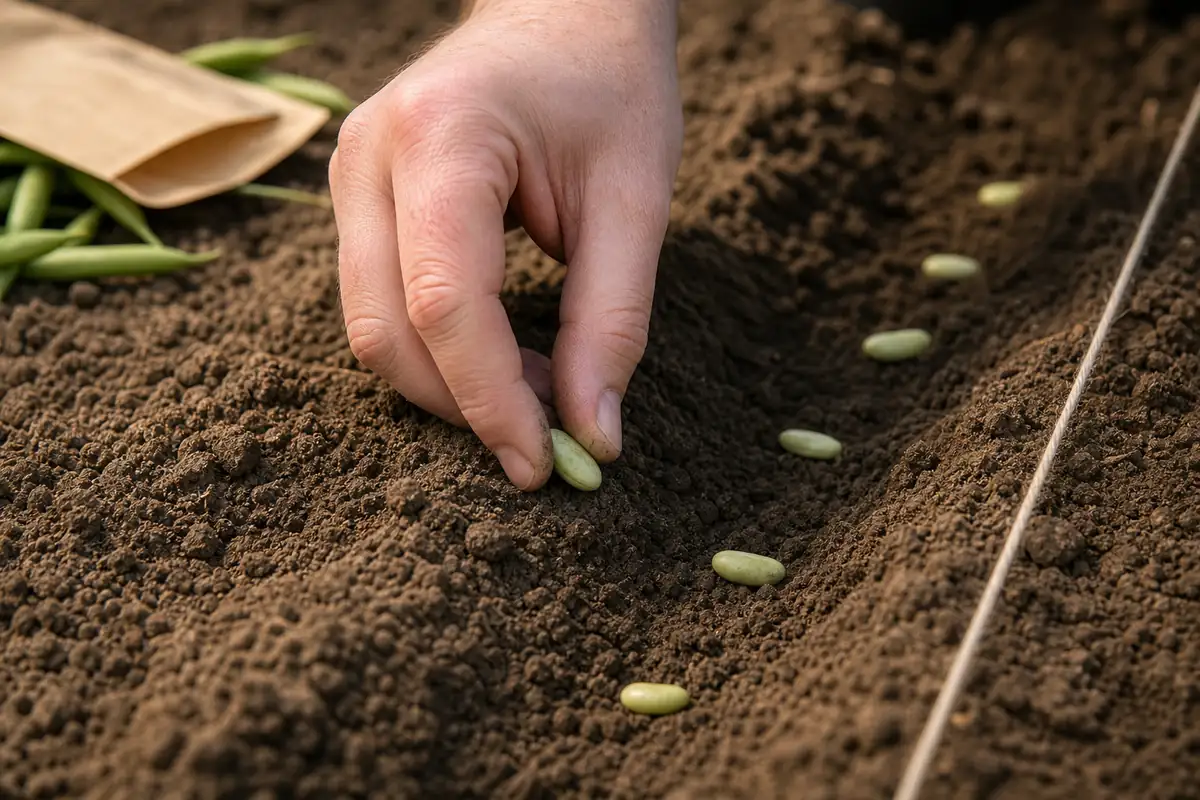
Plant green bean seed about one inch deep in warm, workable soil. Shallow planting dries out too fast. Deep planting forces the seedling to spend extra energy before it reaches light. In crusting soil, a deep seed can exhaust itself under a sealed surface.
Space bush beans close enough to shade the soil after they leaf out and open enough for air to move through the row. Pole beans need spacing that matches the support. Around a teepee, several seeds can circle the poles. Along a fence or panel, spacing should leave room for hands to pick without snapping vines.
Water the row after sowing if the soil is dry, then keep the seed zone evenly moist until emergence. Do not soak the row into a cold paste. Seedlings need oxygen as much as moisture. When the first hooked stems push through the soil, stop treating the whole surface like a seed tray and start watering the root zone.
Should bean seed be soaked first? Usually no. Soaking can speed water uptake, and it can also split seed coats or leave seed sitting in wet soil with less oxygen. In a home garden, warm soil and even moisture are safer than forcing the seed to swell before planting.
Water Shallow Roots Without Keeping Leaves Wet
Green beans have a shallow root system compared with deeper summer crops. The top several inches of soil need to stay evenly moist once plants flower and pods begin to lengthen. Dry swings at that stage can cause misshapen pods, flower drop, or stringy texture.
Water at soil level when possible. A drip line, soaker hose, watering wand at the base, or careful furrow watering keeps leaves drier and reduces splash. Overhead watering can work for germination, especially across a broad seeded row, then becomes less useful once foliage fills in.
The choice between drip and sprinklers changes with crop stage. Early seedbeds benefit from even surface moisture. Established beans benefit from root-zone water and dry leaves. That same decision pattern sits behind drip vs sprinkler irrigation for vegetable gardens, especially in dense summer plantings.
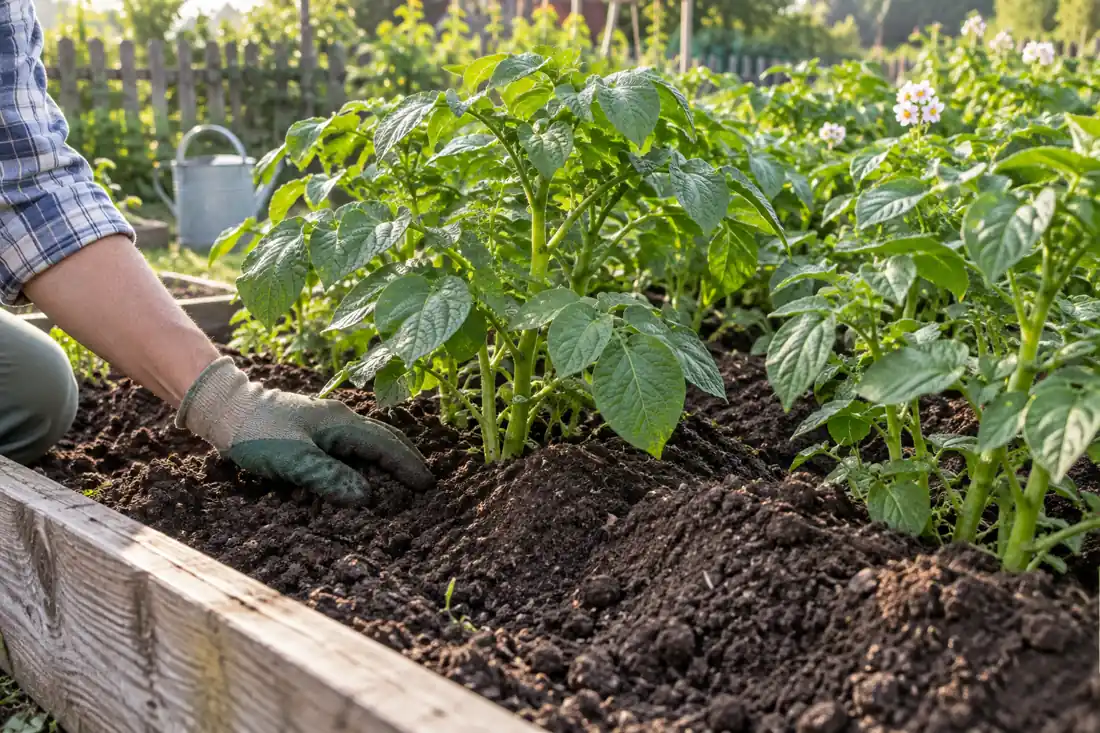
Mulch after seedlings are up and the soil has warmed. A light layer of straw, shredded leaves, or fine bark keeps the root zone steadier and reduces soil splash. Keep mulch thin around young stems so the crown does not stay damp. Beans do not need a deep blanket pressed against the plant.
Feed Lightly And Treat Inoculant As A Situational Choice
Green beans do not need the same nitrogen push as leafy greens. Too much nitrogen can make plants leafy, soft, and slow to set pods. The plant needs enough fertility to grow, then enough discipline from the gardener to avoid turning a pod crop into a leaf crop.
Use compost and a modest balanced fertilizer only when the soil needs it. If the bed has been heavily amended for tomatoes, peppers, or leafy greens, beans may need little extra feeding. If growth is pale, slow, and thin after emergence, check soil moisture and temperature before adding more fertilizer.
Inoculant is worth a calm debate. Bean inoculant contains rhizobia bacteria that can help roots form nitrogen-fixing nodules. It is most useful in new beds, sterile or imported soil mixes, raised beds filled with bagged media, or gardens where beans and peas have not grown recently. In a living garden bed with a history of legumes, the visible gain may be small.
Inoculant is usually inexpensive and easy to dust on seed, so the risk is low in a new bed. It is not a substitute for warm soil, moisture, or sunlight. If the soil is cold and compacted, inoculated seed still struggles. If the soil is warm, loose, and already has legume history, beans can grow well without making inoculant the center of the plan.
Observation: weak bean growth is often blamed on fertility when the real problem is cold soil or wet seed. The plant never builds a strong root system, so no amount of feeding fixes the missing start.
Train, Harvest, And Replant For A Longer Crop
Once green beans start flowering, picking becomes part of care. Pods left too long signal the plant to mature seed. Tender pod production slows when old pods hang on the plant. Pick every two or three days during peak production, even if the harvest is small.
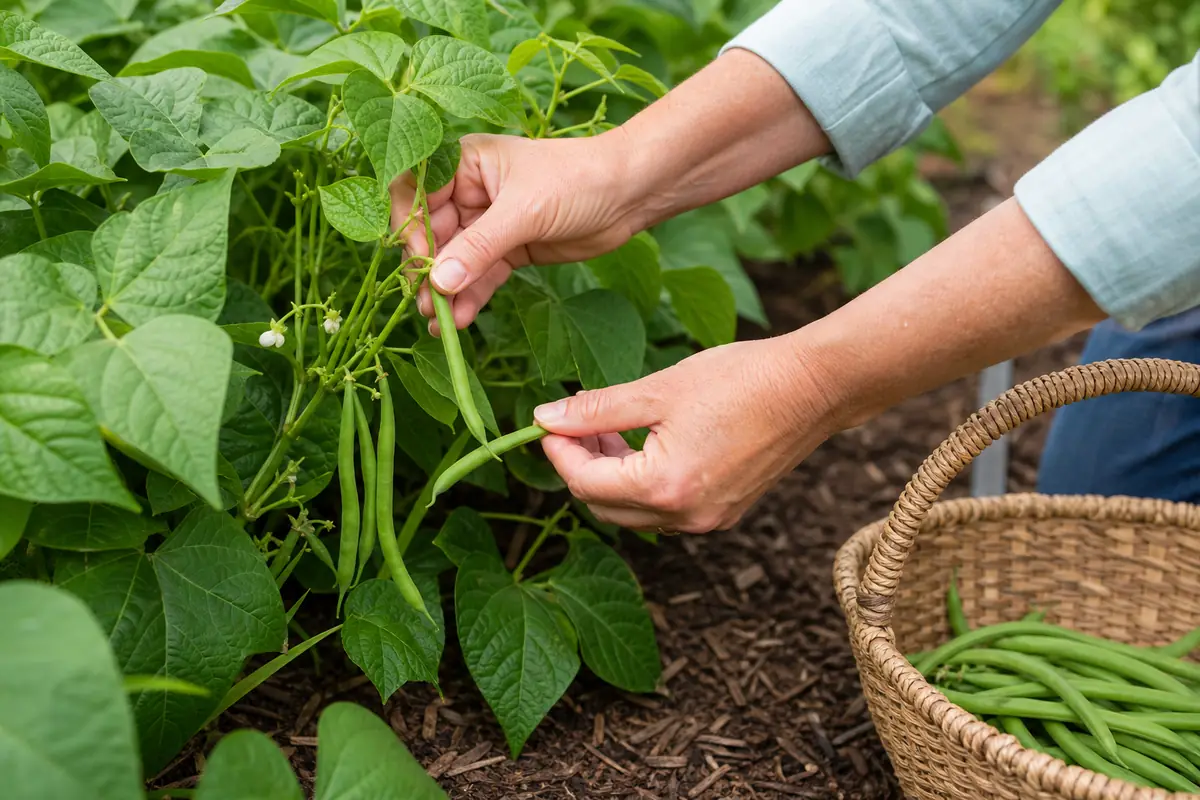
Harvest when pods are long enough to use, firm enough to snap, and still smooth before the seed bulges strongly inside. Use two hands on pole beans: one to hold the vine, one to pull the pod. Tugging hard can tear a vine loose from its support or damage the next flower cluster.
For a longer bush bean harvest, sow small blocks about 10 to 14 days apart as long as the weather stays warm enough for each planting to mature. Stop when the next sowing would run into cold weather before pods can size up. Pole beans usually need less succession because the same vines keep producing if pods are picked young and the roots stay watered.
For containers, choose bush beans unless the pot and support are strong enough for pole vines. Containers warm fast and dry fast, so pot size matters. A bean planting fits a patio pot only when the container has enough root room, sun, and picking access; those same limits shape container vegetables by size, light, and space.
Start With The Setup That Matches Your Garden
Short raised beds with no trellis are bush bean beds. Sow a compact row after the soil warms, mulch lightly after seedlings are up, and plan to pick heavily over a shorter window.
Sunny fences, arches, and panels can carry pole beans. Install the support first, sow at the base, and keep the row watered once vines start climbing.
New raised beds filled with bagged mix are the best place to consider inoculant. Dust the seed, plant into warm soil, and judge the result by root nodules and pod set, not leaf size alone.
Gardens that already grow peas or beans well do not need a complicated bean program. Direct sow warm, water evenly, pick young, and keep the next sowing ready if bush beans are the main crop.
Conclusion
Green beans grow best when the beginning is simple: warm soil, direct seed, enough spacing, and the right support for the plant habit. Bush beans give a compact crop that finishes fast. Pole beans ask for structure and pay back with repeated harvests.
Keep nitrogen modest, water the shallow root zone evenly, and pick pods before seeds swell. When the row is working, the signal is easy to see: firm green plants, clean flowers, and smooth pods that snap crisply in your hand.
FAQ
What beans are bush beans?
Bush beans are compact common beans that grow without a tall trellis. Many are snap beans or string beans, and yellow-podded wax beans can also be bush types.
Are green beans and bush beans the same thing?
Bush beans can be green beans. Green bean describes the tender pod, and bush bean describes the compact plant habit.
Are bush beans good to eat?
Yes. Pick bush beans while the pods are smooth and firm, before the seeds swell hard inside. They are grown for the same tender snap-pod harvest as many other green beans.
What is another name for bush beans?
Bush beans may be sold as snap beans, string beans, green beans, dwarf beans, or wax beans, depending on the variety and pod color.
Do green beans need a trellis?
Bush beans usually do not need a tall trellis. Pole beans do. Install the support before or at planting so vines can climb without root disturbance or broken stems later.
How long do green beans take to grow?
Many bush beans begin producing in roughly 50 to 55 days, and many pole beans begin closer to 55 to 65 days. Variety, soil warmth, and harvest size change the exact timing.