
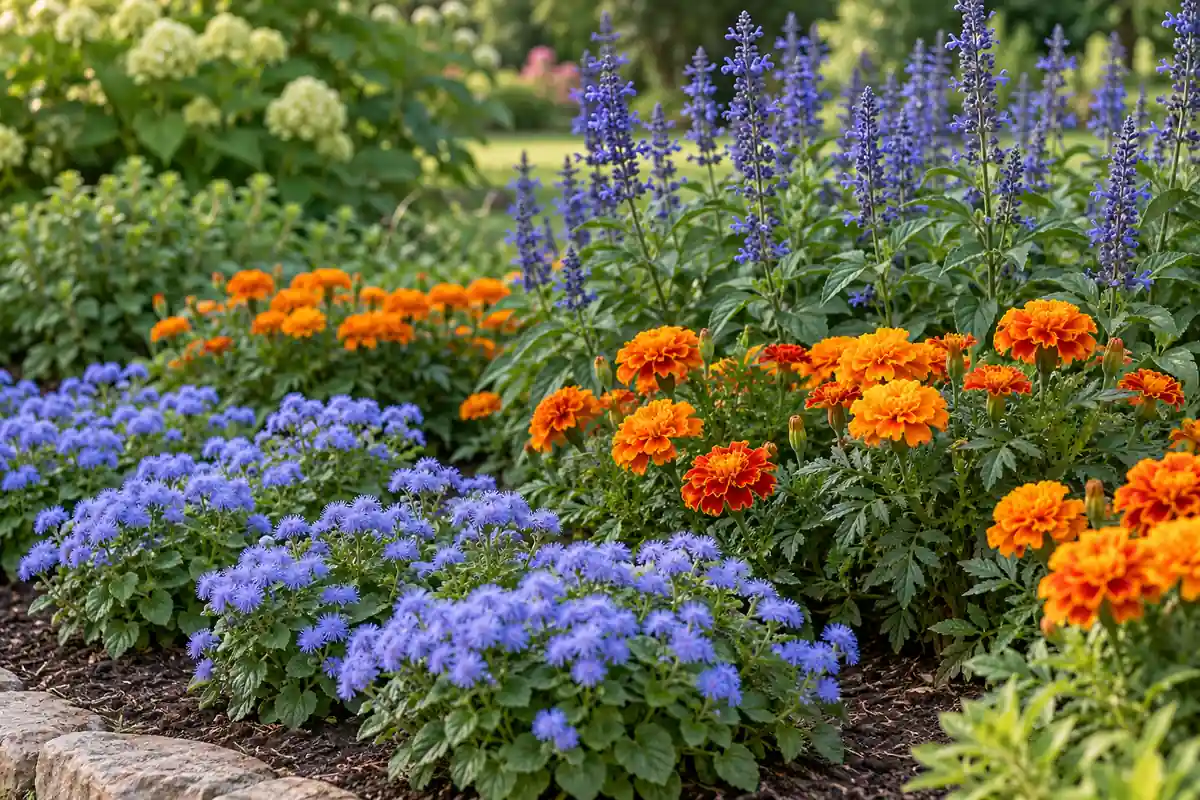
Deer resistant annuals can reduce browsing losses when the plants also suit the garden’s light, soil and summer temperatures. Consider ageratum, French marigold, mealycup sage, cleome or annual vinca for brighter beds, and wax begonia for shaded color. Edging lobelia suits cooler, moist conditions; polka-dot plant contributes patterned foliage in partial shade.
Resistance means a lower tendency to be damaged, not protection from every hungry deer. A plant can also fail without being eaten: lobelia dries in a hot pot, or sun-loving salvia grows weakly under trees. Check those growing conditions separately from the browsing risk. Some familiar bedding plants are tender perennials grown for one season where winters freeze. Others present ingestion hazards for pets or children. Choose the exact plant, try a modest group in a suitable spot and watch what happens before filling the entire border.
Start with the site and the amount of damage
- Sunny edge: ageratum or French marigold for low color; mealycup sage and cleome where taller stems fit.
- Hot, well-drained bed: annual vinca is a candidate, provided its ingestion risk is acceptable for the household.
- Partial shade: wax begonia for flowers; lobelia for cooler moist pockets; polka-dot plant for leaf color.
- Frequent browsing or almost no acceptable loss: protect the planting physically. Plant choice alone cannot exclude deer.
Key Takeaways
- Match light and moisture before comparing deer resistance labels.
- Read botanical names to avoid buying a different plant.
- Keep hot-weather choices separate from cool, moisture-loving annuals.
- Check household plant safety independently of wildlife browsing risk.
- Protect valuable plants when repeated visits make replacement wasteful.
Table of Contents
What Deer Resistant Annuals Can Actually Promise
A resistance list describes relative damage observed under particular conditions. Rutgers uses four categories: rarely damaged, seldom severely damaged, occasionally severely damaged and frequently severely damaged. Its landscape plant resistance ratings combine nursery, landscape, Extension and Master Gardener input from northern New Jersey. They are not nationwide feeding probabilities.
Ageratum and annual vinca appear in the rarely damaged category. Cornell’s deer browsing plant lists also identify several annual bedding choices, including wax begonia and blue salvia, as rarely damaged. Those lists draw on local experience and survey information. A second county page repeating a list does not constitute another controlled trial.
Weather, food availability and local deer density can change what gets sampled. Fresh tender transplants can need protection even when the mature plant is usually less attractive. An intact planting last year does not establish immunity for the next season.
Use two filters: can the plant grow here, and does it have credible evidence of lower browsing risk? Start with flowers matched to the available sunlight, then narrow the choices by deer pressure. A label answering only one question leaves the other unresolved.
Choose Sunny-Bed Plants by Height and Summer Heat
These five choices offer different shapes, from low mounds to a tall background. Their cultural requirements and species-level resistance are documented in North Carolina State’s Extension Gardener Plant Toolbox. The browsing observations remain qualified by local conditions.
1. Ageratum for a soft, low edge
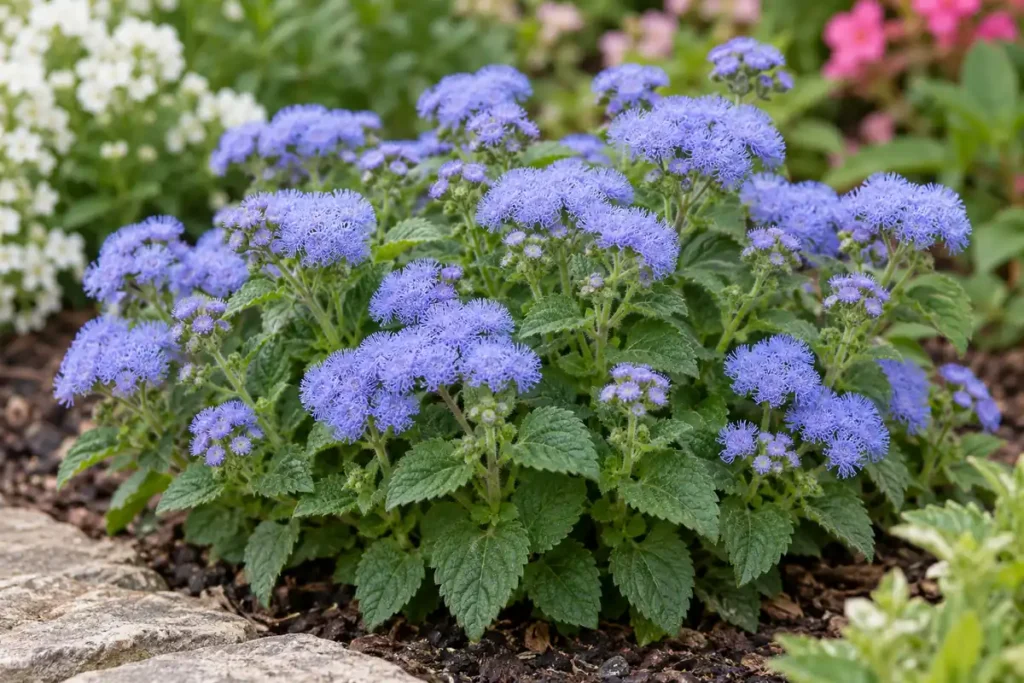
Ageratum houstonianum carries fluffy blue, lavender, pink or white clusters above broad toothed leaves. Common dwarf forms reach roughly 6 to 12 inches high, fitting an edge or a small container. Full sun to partial sun and moist, freely drained soil suit the plant.
The Rutgers entry places this exact species in its rarely damaged category. Try it where a low flowering mound fits, with enough moisture to establish roots. Poor growth in dense shade or a dry pot is a site problem to check before blaming deer.
2. French marigold for compact sunny color
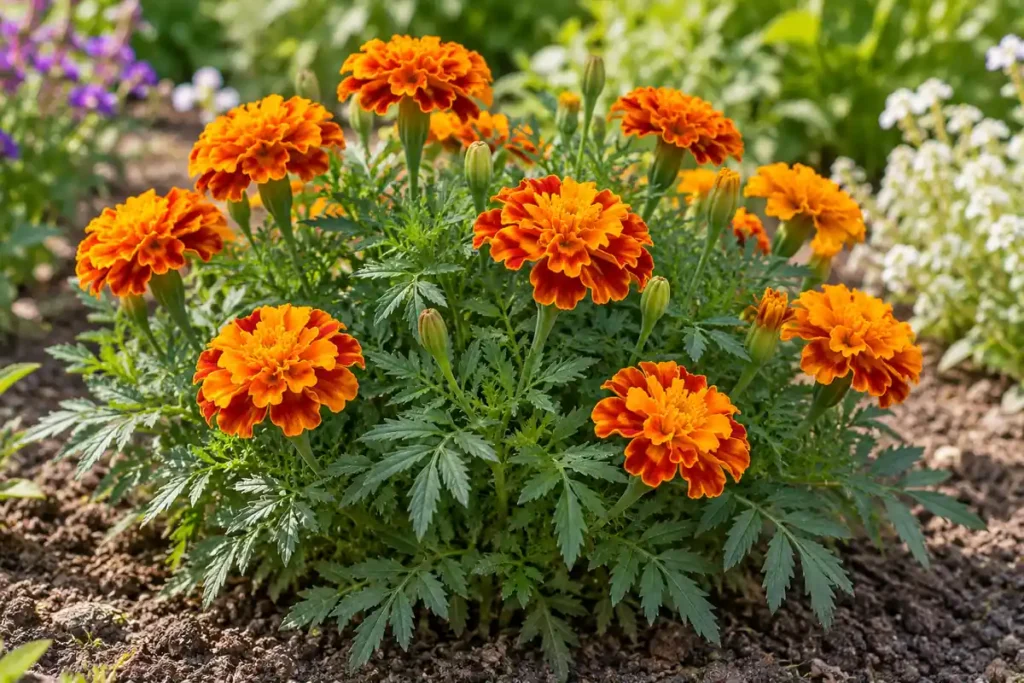
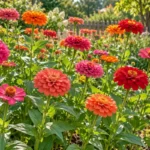
Tagetes patula usually forms a compact plant around 6 to 12 inches tall. Ruffled orange or yellow heads contrast with finely divided foliage. Give it sun or light partial shade, suitable moisture and drainage; removing faded heads can keep the display tidier and encourage further flowering.
French marigold is not pot marigold, Calendula officinalis. The common name alone is insufficient when applying a resistance recommendation. Also, a ring of marigolds does not establish a scent barrier protecting neighboring impatiens or vegetables. Deer can reach past a plant they leave alone.
3. Mealycup sage for upright flower spikes
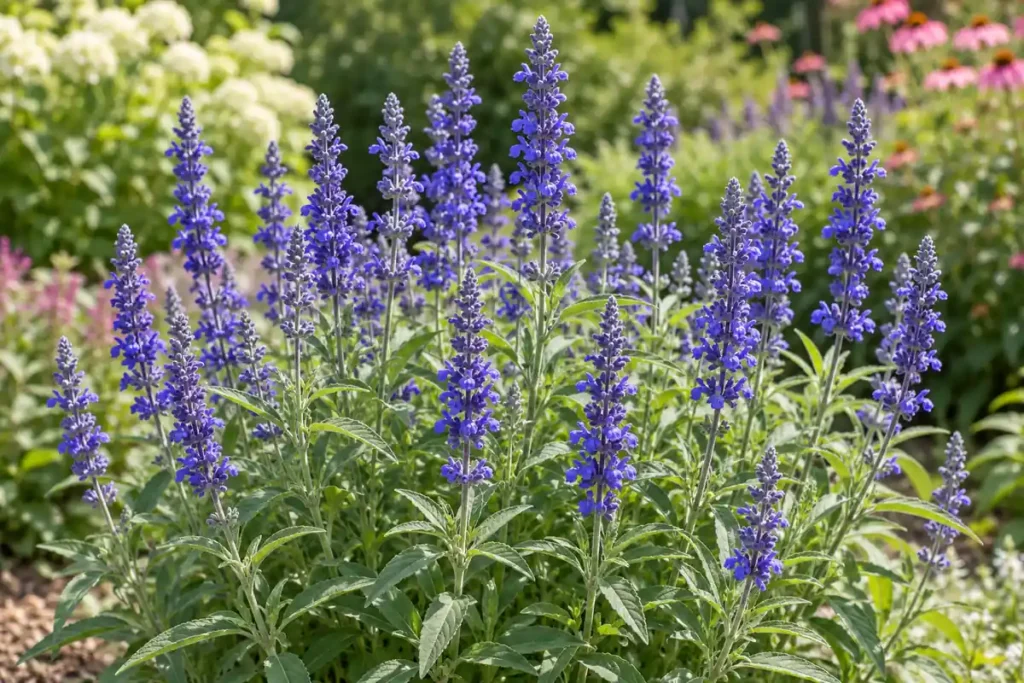
Salvia farinacea, also called blue salvia or mealycup sage, commonly reaches about 1 1/2 to 3 feet. Its narrow leaves and upright flower spikes create a middle layer behind low edging plants. Choose a sunny, well-drained position and check the cultivar’s mature width.
Cornell names blue salvia in its low-damage annual group, and North Carolina State records resistance for this species. The recommendation does not assign an identical rating to every salvia. It can persist as a perennial in suitable warm regions and is grown as an annual in colder gardens. Deep shade is a poor substitute for the sunlight it needs.
4. Cleome for a roomy background
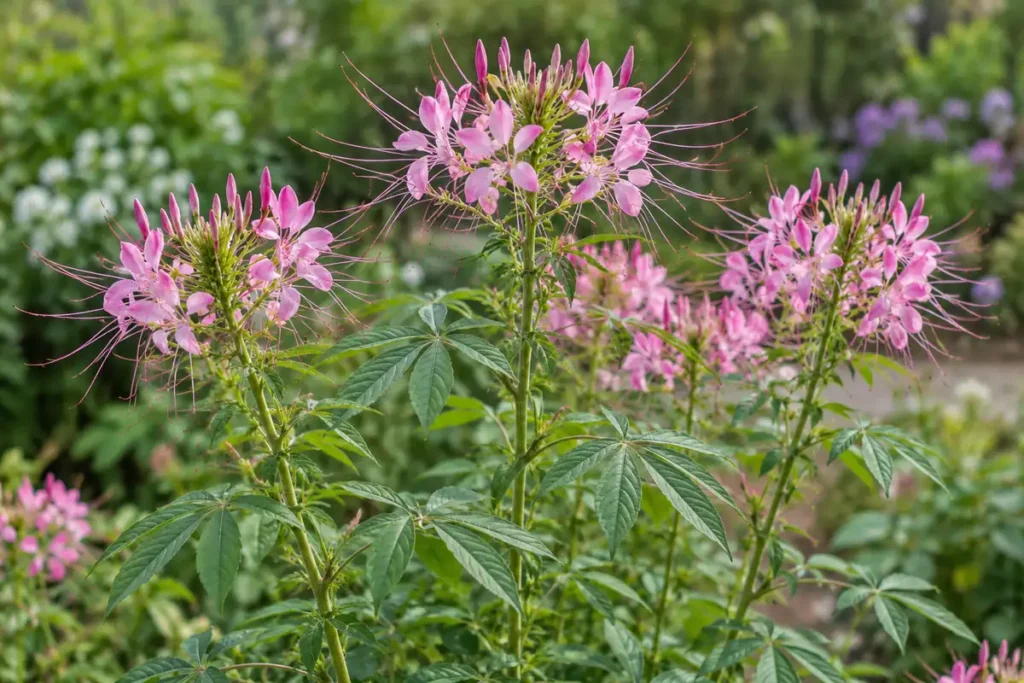
Cleome houtteana, previously listed as C. hasslerana, produces airy pink, white or purple flowers with long projecting stamens. Many garden forms reach about 3 to 6 feet. Place them where the height will not shade the low front edge or obstruct a narrow path.
The historical name in Cornell’s list refers to the same spider flower, not an unrelated low bedding species. Check the cultivar before buying: height, self-seeding and prickly or sticky stems can affect placement. A brush against the foliage can feel tacky and catch on a sleeve, so leave working space beside a frequently used walkway.
5. Annual vinca for warmth and drainage
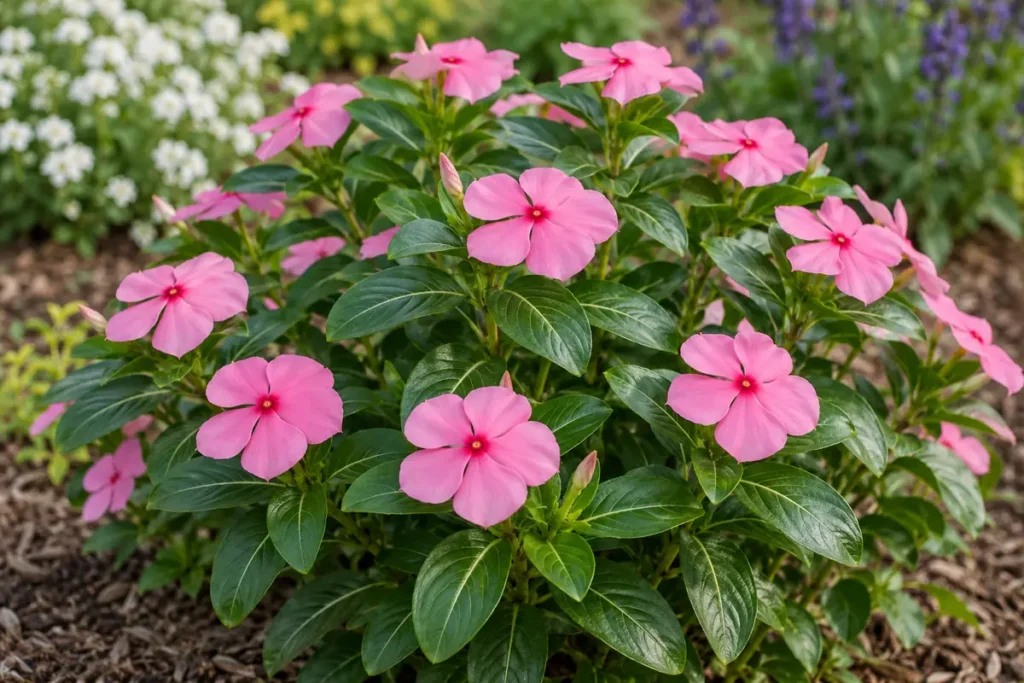
Catharanthus roseus is the annual vinca or Madagascar periwinkle used for warm-season bedding. It differs from creeping Vinca major and V. minor. The glossy, smooth leaves occur in pairs; the pink, white or related-colored flowers have a slender tube opening into five spreading lobes.
Rutgers places annual vinca in its rarely damaged group. Heat tolerance makes it useful in a bright, drained summer bed or pot after establishment. Persistent wetness can undermine that advantage. The plant is poisonous if eaten, so do not select it as a pet-safe option. A dog or child who chews plants changes the suitability of this choice.
Use Shade Choices That Fit Moisture and Temperature
Shade tolerance and deer resistance are separate traits. Impatiens can flower in shade, yet Cornell places them among frequently damaged annuals. Confirm browsing before replacing them: wilted plants with intact stems may have a water or disease problem.
6. Wax begonia for a flowering shaded border
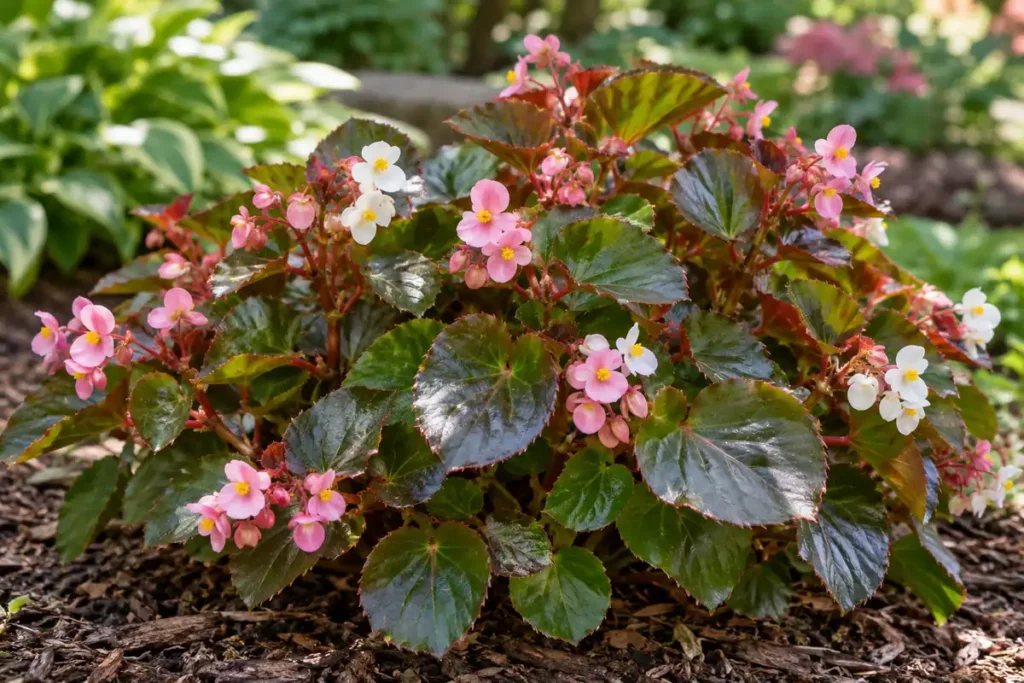
Fibrous-rooted wax begonias offer pink, white or red flowers above rounded green or bronze leaves. Many bedding forms grow roughly 6 to 12 inches high. They suit shaded or partly shaded edges and containers with moisture and drainage. Bronze-leaved selections often tolerate more sun, depending on the cultivar and climate.
Cornell’s wax begonia entry and North Carolina State’s plant description support their use as a lower-browse choice. Do not extend that evidence to every begonia species. Iowa State also lists wax begonias for shade, independently supporting the light requirement. Begin with a few plants where impatiens have suffered confirmed browsing.
7. Edging lobelia for a cooler, moist pocket
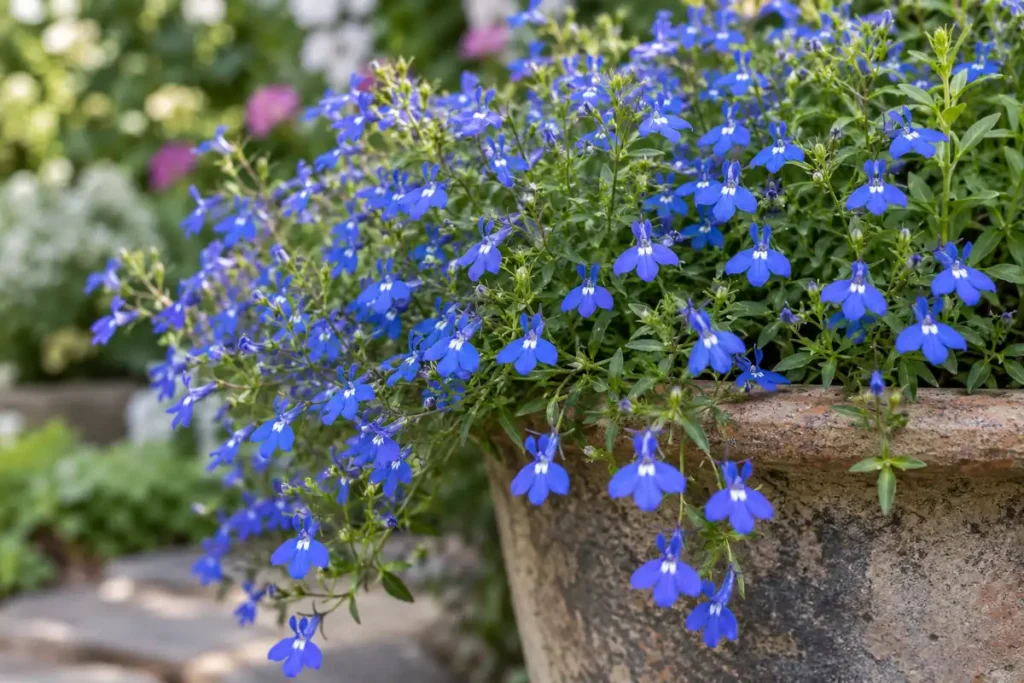
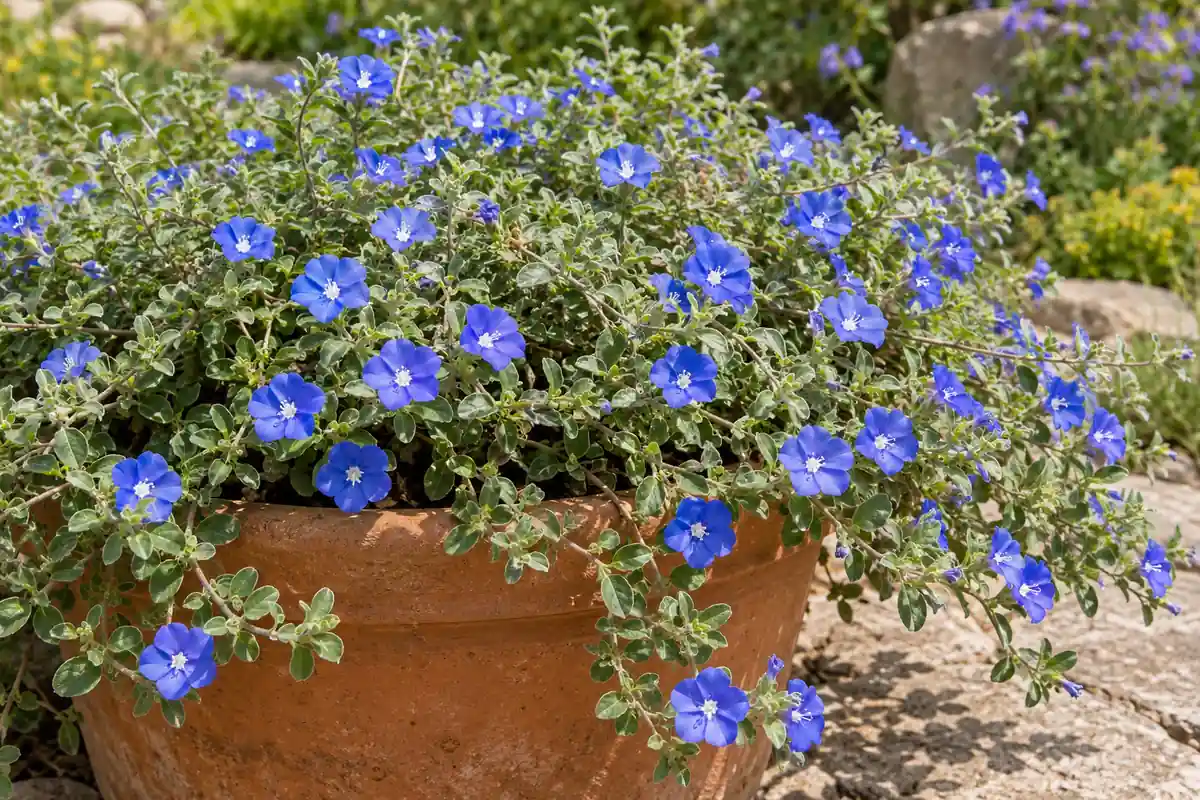
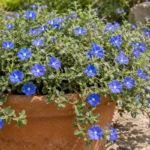
Lobelia erinus adds small blue, violet or white flowers along an edge or spilling over a container. Cornell includes edging lobelia in its rarely damaged list. The plant fits cool, moist conditions with sun to partial shade, and its growth differs from tall perennial lobelias.
Intense summer heat can shorten the display. If foliage turns crisp and dry, inspect root moisture and reflected heat before treating the loss as deer damage. It may be a better spring or shoulder-season choice than a midsummer plant on hot paving. Ingestion hazards also require a separate household safety check.
8. Polka-dot plant for patterned leaves
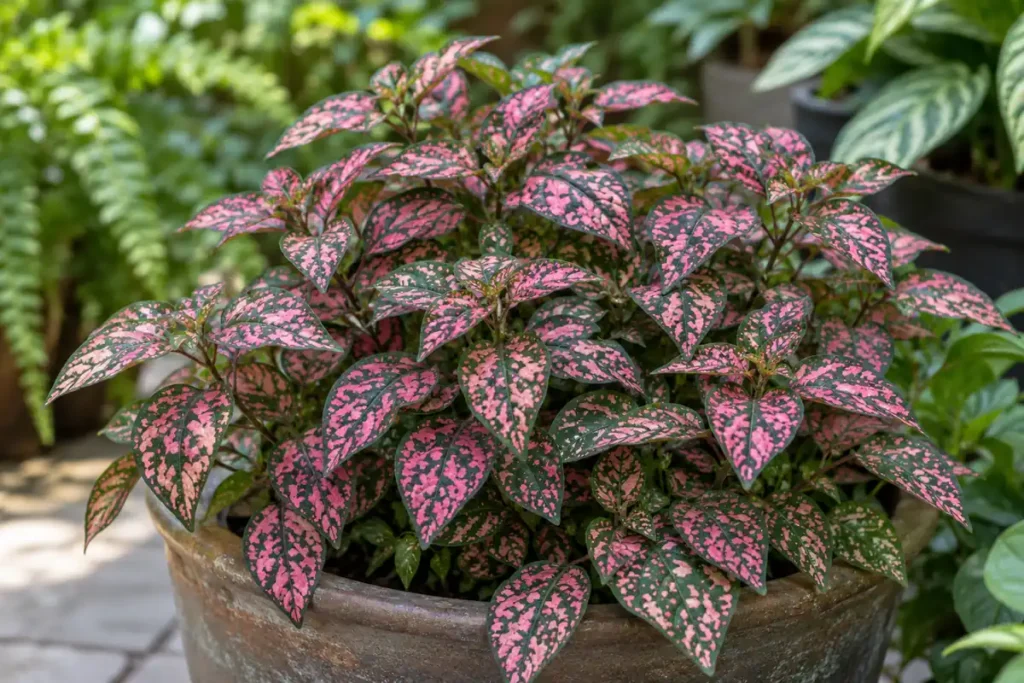
Hypoestes phyllostachya puts pink, white or red markings across green leaves. Use it when the shaded display needs foliage color, not as a promise of impatiens-like flowers. Partial or dappled shade, rich well-drained medium and appropriate moisture fit its garden role.
Cornell lists polka-dot plant among rarely browsed annuals, and North Carolina State records deer resistance. It is often grown for one season in frosty regions and can persist in warmer conditions. Pinch back leggy growth as appropriate for a compact display; near-darkness under a dense canopy still limits growth.
Check Container Access and Household Safety Separately
A patio pot is not a deer barrier. Judge the actual route to the container and whether leaves will remain reachable as they spread. Move valuable pots behind controlled access or protect them if repeated browsing would spoil the display. Raising a planter by an arbitrary distance does not establish a safe height.
Keep the growing conditions distinct too. Lobelia needs dependable moisture; annual vinca needs particularly good drainage. A sun-exposed pot can become dry and light quickly, even in a yard with damp soil. Check the root ball and soil moisture before watering. Do not use one fixed schedule for every plant in the collection.
For a soggy container, check outlets and any outer cachepot. Working pot drainage keeps water from remaining trapped around roots. An apparently resistant flower can die from root stress without a deer ever touching it.
Deer avoidance does not certify safety for pets. Annual vinca, zonal pelargoniums and lantana have ingestion concerns documented in Extension plant records. Lantana can also become weedy or invasive in suitable warm climates. Screen the exact species with appropriate veterinary or Extension guidance when animals chew plants; the absence of a warning beside another entry is not a safety certificate.
Arrange a Small Trial Before Filling the Entire Bed
In a sunny border, place low ageratum or French marigolds toward the front, mealycup sage farther back and tall cleome only where its size fits. Use cultivar widths to mark actual planting distances. This is a height arrangement, not a protective wall of aromatic plants.
For partial shade, begin with wax begonia as the flowering base, then use lobelia in a cooler moist pocket or polka-dot plant where patterned leaves are wanted. A separate container can reduce competition with tree roots, provided you keep it watered and account for deer access.
Choose only a few plants of two or three suitable kinds for an initial trial. Keep the botanical tags, photograph the planting and note fresh damage after deer visits. Also record drying, persistent wetness or shade. Those notes distinguish a browsing failure from a poor plant-site match.
Give transplants establishment water and temporary protection when local losses are high. Frost, summer heat and plant habit determine how long seasonal color lasts. A tender perennial can remain outdoors in a warm region yet need replacement after winter farther north; no single nationwide bloom calendar fits all eight choices.
When Browsing Continues, Change the Protection
Ragged torn tips and nearby hoofprints support a deer diagnosis. Clean angled cuts on low stems may suggest rabbits, and holes or wilt can have other causes. Check several signs together before spending more on deterrents or replacing the flowers.
| Failure you see | First check | Useful change |
|---|---|---|
| Impatiens repeatedly lose shoot tips | Browsing evidence and access | Trial wax begonia in a matching site, or protect the existing plants. |
| Marigolds are eaten despite the label | Exact plant identity and fresh damage | Accept local browsing evidence; add protection if losses matter. |
| Lobelia becomes brown and crisp | Root moisture and summer heat | Move to a cooler suitable spot or choose a better-adapted plant. |
| Salvia stays leggy with few flowers | Actual direct sunlight | Change exposure or choose a shade-adapted candidate. |
| Vinca wilts in wet medium | Drainage and root condition | Correct trapped water; do not automatically add another soaking. |
| Reachable pots lose several kinds of plants | Repeated deer access | Move or physically protect the containers. |
If several well-adapted choices are repeatedly browsed, buying another supposedly stronger annual is unlikely to solve access. Physical protection against deer entering garden beds becomes the more dependable next step, especially when almost no flower loss is acceptable.
A local trial teaches what grows and what gets eaten in that yard. Results can change with the next season’s weather and deer pressure. Keep the successful plants, correct the horticultural failures and protect the areas that remain attractive to visiting deer.
Conclusion
Choose a botanically identified annual that fits the bed, its moisture and the household. Start small, watch both new growth and bite damage, and expand the choices that perform well locally. When browsing remains persistent, protect access with a suitable barrier.