

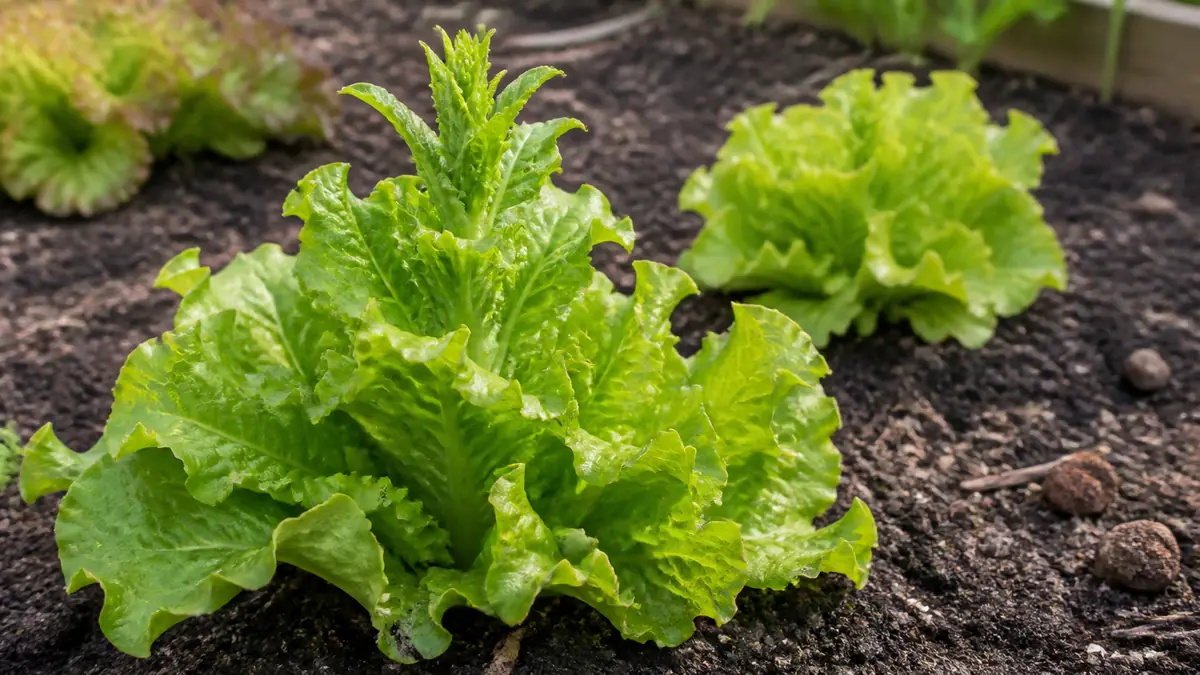
Lettuce bolting starts when a lettuce plant shifts from leaf growth into flowering. The change can feel sudden: one week the bed is low, leafy, and crisp; a few hot afternoons later the center rises, leaves narrow, and the flavor turns sharp. By the time flower buds show, the plant is no longer trying to make salad.
The clock usually starts before the flower stalk is obvious. Longer days, warm soil, hot afternoons, warm nights, and dry shallow roots all push lettuce toward seed. You cannot turn a bolting plant back into tender baby leaves. You can slow the early stage, harvest before quality drops further, and set the next sowing where heat has less power.
Read The Plant Before You Try To Save It
| What You See | What It Means | First Move | Still Worth Saving? |
|---|---|---|---|
| Center rising, leaves still taste mild | Early bolt signal | Harvest heavily, add shade, keep roots evenly moist | Short-term only |
| Tall stalk, narrow leaves, bitter flavor | Flowering shift is active | Pick usable leaves or clear the plant | No |
| Afternoon wilt, center still low | Heat stress before bolting | Water deeply, shade afternoons, harvest young | Yes, if nights cool |
| Seedlings stretch during hot weather | Season is working against them | Move to shade, sow again for fall | Usually not worth forcing |
Once the flower stalk is moving fast, focus on harvest and the next sowing. Shade cloth slows stress; it does not reset the plant.
Key Takeaways
- Harvest early when the center starts rising.
- Use shade cloth before leaves turn bitter.
- Water shallow roots before afternoon wilt appears.
- Avoid forcing bolted plants back into leaf growth.
- Resow during cooler windows for better flavor.
Table of Contents
Why Lettuce Bolts Before The Bed Looks Finished
Lettuce is built to finish its life cycle. In cool weather, the plant spends its energy on leaves. As days lengthen and heat builds, the growing point changes job. The center stem begins to stretch upward, then flower buds form, and seed production becomes the plant’s priority.
That shift often begins before the gardener sees a stalk. A loose-leaf plant may look only slightly taller. Romaine may tighten at the center. Butterhead can lose its soft folded shape and begin lifting from the middle. The flavor can change before the plant looks dramatic, especially after heat and dry roots.
Cool-weather lettuce planting is the real prevention layer. The lettuce planting guidance from Clemson Cooperative Extension keeps lettuce in spring and fall windows because the crop performs best before high heat takes over. When that window closes, bolting pressure rises even in a well-managed bed.
Day length matters because lettuce reads the season through light as well as temperature. Heat speeds the decision. A plant that might hold for another week under cool nights can bolt quickly when warm nights arrive after long bright days. That is why a bed can taste fine on Monday and bitter by the weekend.
Heat And Long Days Trigger The Flowering Switch
The main trigger pattern is simple: long days tell lettuce the season is advancing, and heat pushes the plant to finish. Soil that warms early, afternoon sun against a wall, and warm nights after a mild spring all shorten the leaf-harvest window. Dry roots add more pressure because stressed lettuce leaves lose quality before the flower stalk is fully visible.
Warm soil can create trouble from the start. Lettuce germinates and grows best in cool conditions, so late spring sowings often emerge unevenly or rush into stress. The broader rules for soil temperature for planting matter here because the seed and young root read the soil around them, not the label on the seed packet.
Variety changes the timing. Loose-leaf and some romaine types often tolerate marginal heat better than slow crisphead types. Heat-tolerant labels help. They do not cancel summer. A heat-tolerant lettuce may hold longer under shade and even moisture; it still bolts when the plant has enough seasonal signals stacked against it.
Transplant stress can also shorten the clock. Seedlings held too long in a tray, planted into hot soil, or allowed to dry hard after transplanting may bolt early because the plant never settles into calm leaf growth. A stocky transplant moved during a cool spell has a much better chance than a stretched seedling planted into hot afternoon soil.
Early Bolting Signs Show Up In The Center First
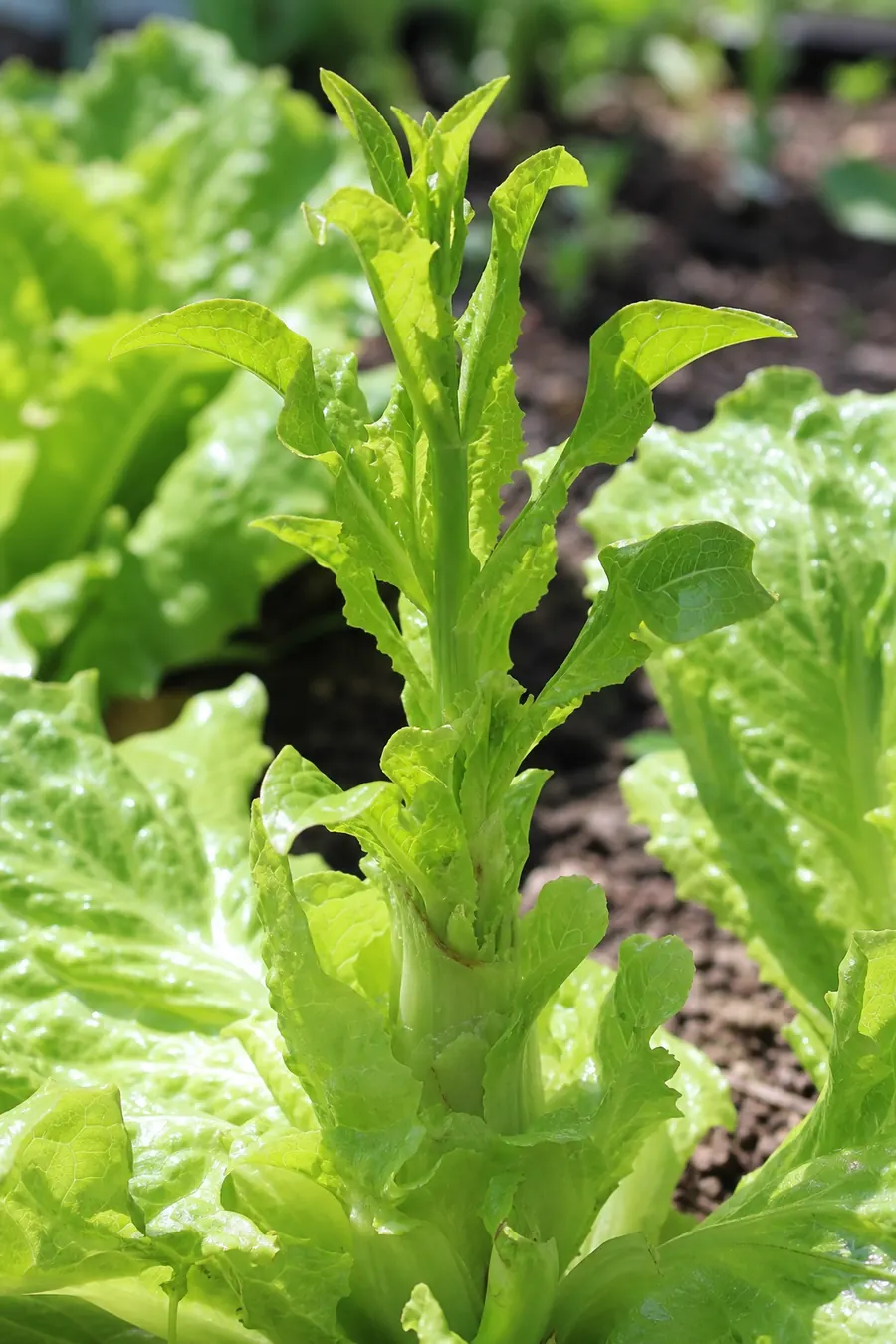
The center of the plant tells the truth first. In a healthy leaf-growing stage, lettuce stays low and spreads outward. When bolting starts, the center thickens and rises. Leaves may become narrower, more upright, and spaced farther apart on the stem. The plant begins to look tall, lifted, and less full.
Texture changes with it. Leaves that once folded softly can feel tougher and slightly leathery. The midrib may become more pronounced. If you cut the base or stalk, some plants release a milky sap. That sap is normal for lettuce. A stronger bitter flavor often arrives as the plant shifts toward flowering.
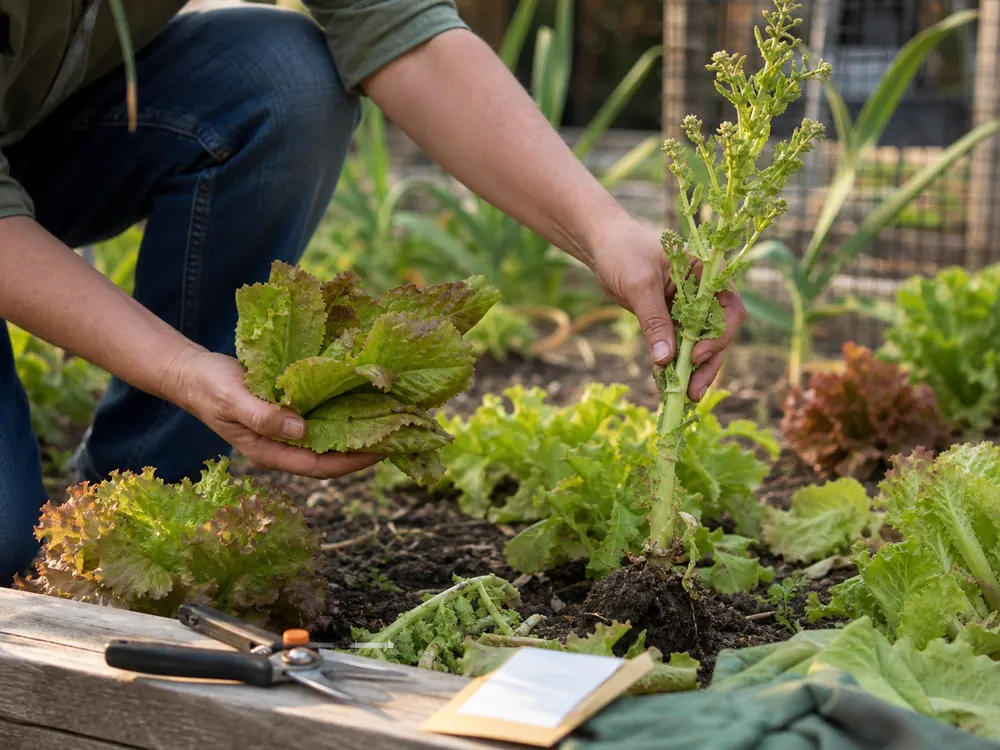
Flower buds are the late sign. Once you see buds forming on a tall stalk, the best eating window has largely passed. The leaves may still be edible, especially cooked or mixed with milder greens. They will not return to the tender flavor of a cool young plant.
Peak flavor sits just before the plant begins stretching. The broader lettuce growth stages sequence helps separate normal maturity from the first bolt signals: a rising center, sharper flavor, and a stem that starts to feel firm.
Can You Stop Lettuce From Bolting?
You can slow early bolting pressure; active flowering does not reverse. That distinction saves time. A plant with a slightly rising center and mild leaves may buy a few more harvests with shade, water, and fast picking. A plant with a tall stalk and flower buds has already changed direction.
Start with harvest. Pick the best leaves first, especially in the morning when they are cool and hydrated. Removing usable leaves gives you salad now and reduces the risk of waiting until the whole plant turns bitter. For loose-leaf lettuce, leave the crown only if the center has not stretched far. For heading types, cut the head or clear the plant.
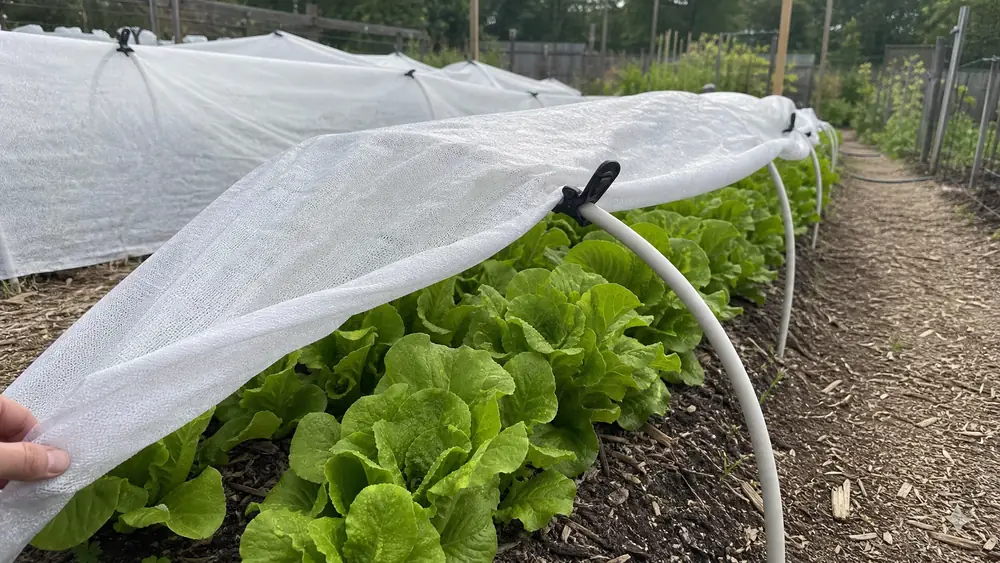
Then cool the plant. Use 30% to 40% shade cloth on hoops or a low frame with open sides. The fabric should shade the bed during the hottest part of the day without trapping stagnant heat around the leaves. Shade laid directly on lettuce can bruise leaves and hold moisture where disease can start.
Water deeply enough to reach the shallow root zone, then let the surface breathe. Tiny daily sprinkles can keep leaves damp as roots stay stressed. A slim trowel or finger check an inch or two down tells you whether moisture actually reached the root area.
Shade Cloth Helps Only Before The Stalk Runs
Shade cloth is most useful in the pre-bolt stage. It lowers leaf temperature, slows afternoon wilt, and keeps soil from heating as fast. Put it up when lettuce still tastes good and the forecast is about to turn hot.
Warm-weather lettuce guidance includes shade as part of keeping lettuce productive longer. Airflow makes the cover useful. A loose cover over hoops works better than a tight blanket that traps heat and humidity around the crop.
Shade has limits. If days are long, nights stay warm, and the plant is old enough to flower, shade may only delay the visible stalk briefly. That delay can still matter if you need one more harvest. It will not create a new spring season.
Use the plant’s taste as the final judge. A shaded plant that still tastes mild is worth managing for a short time. A shaded plant that tastes bitter and keeps stretching should be harvested or removed. Water, shade, and mulch are tools for buying time, not for undoing seed production.
Water Stress Makes Bolting Taste Worse
Dry roots do not cause every bolt. They make the crop decline faster. Lettuce roots stay shallow, and the leaf surface loses water quickly in warm weather. When the upper soil dries, the plant may wilt in the afternoon, recover overnight, then wilt earlier the next day. That repeated stress changes texture and flavor.
Even moisture matters more than heavy watering. A deep morning soak followed by a cool root zone does more than frequent surface misting. If the soil surface crusts and the lower root zone stays dry, the leaves can still turn limp by midafternoon.
Mulch helps when it is thin and kept away from the crown. Clean straw, shredded leaves, or fine compost between rows can keep the soil cooler and reduce evaporation. Pressed against the lettuce stem, wet mulch can make the crown soft and sour-smelling, so leave a little air around each plant.
For heat-stressed plants, cooling the site and protecting roots comes before feeding. The recovery logic in heat-stressed plants in summer gardens fits lettuce during leaf mode. Once the stalk is racing upward, recovery becomes harvest planning.
Is Bolted Lettuce Still Edible?
Bolted lettuce is usually edible. It is often bitter and tough. Safety is not the main problem; eating quality is. Taste one leaf before deciding. Some plants remain usable in mixed salads during the early stage. Others become sharp enough that the best use is cooking, composting, or feeding to animals if appropriate for your setup.
Pick in the morning if you plan to use bolting lettuce. Cool leaves taste cleaner and hold texture better. Remove damaged, dirty, or overly tough leaves. Young side leaves may still be milder than leaves close to the rising stalk.
Do not wait for the plant to improve. Bolting lettuce usually gets more bitter as the stalk stretches and buds form. If the flavor is already unpleasant, clear the bed and use the space for a summer crop or a later fall lettuce sowing.
Observation: I often see gardeners keep bolting lettuce because the plant still looks green. Green does not mean good eating. The center stem and flavor tell the real story.
Start With The Stage You Can Still Change
A low plant with mild leaves needs protection, not removal. Add shade before the next hot afternoon, water the root zone deeply, and harvest outer leaves in the morning. That buys a short window without pretending the season has stopped moving.
A plant with a tall stalk needs a different decision. Taste one leaf, pick anything still useful, and clear the rest before it shades or crowds the next crop. The fastest fix is often a clean bed and a cooler resowing window.
Seedlings stretching in hot weather are usually a restart signal. Move trays to brighter cool light if they are indoors, or sow again later if the outdoor bed is already too warm. Young lettuce forced through heat often bolts before it ever gives a proper salad.
Make The Next Lettuce Planting Harder To Bolt
The next planting is where you gain the most control. Sow lettuce early enough in spring that it sizes ahead of long hot days. In warm regions, fall sowing often gives better quality because plants mature as nights cool.
Use small succession sowings. A short row every 10 to 14 days during cool weather gives you a moving harvest window. If one sowing bolts early, the whole lettuce season is not lost. The full lettuce seed-to-salad setup is useful for spacing, thinning, watering, and shade planning before the crop reaches stress.
Choose varieties for the season. Leaf lettuce and heat-tolerant romaine are better choices near warm weather. Butterhead can be excellent in cool spells, then collapse in quality quickly when heat arrives. Crisphead needs the longest cool runway and is often the first choice to drop in hot climates.
Plan the follow-up crop ahead of lettuce decline. After spring lettuce, a warm-season vegetable can use the space. After a failed hot sowing, wait for a cooler late-summer window and start again. The broader vegetable season planning helps keep lettuce in the cool slot without asking it to carry the bed through summer.
Conclusion
Lettuce bolting is a timing signal, not a personal failure. Long days and heat tell the plant to finish its life cycle. Your best response is to catch the early center rise, harvest when leaves still taste mild, and use shade and even moisture only where they can still buy time.
If the stalk is tall and the leaves are bitter, clear the bed and reset the season. The next good lettuce crop starts with cool soil, a small sowing, and leaves that stay low, crisp, and sweet in the morning light.
Frequently Asked Questions
Can You Stop Lettuce From Bolting?
You can slow early bolting pressure with shade cloth, even moisture, and quick harvesting. A plant that has already sent up a strong flower stalk will not reverse. Once buds form, harvest usable leaves and clear the plant.
Why Is My Lettuce Bolting Early?
Early lettuce bolting usually comes from warm soil, hot afternoons, long days, dry shallow roots, transplant stress, or a variety that needs a longer cool season. A late spring sowing can bolt even when the plant still looks small.
Is Bolted Lettuce Safe To Eat?
Bolted lettuce is usually safe to eat if the leaves are clean and healthy. It often tastes bitter and feels tough. Taste one leaf first. Early bolting leaves may still work in mixed salads; late bolting leaves are often better cooked or composted.
Does Shade Cloth Stop Lettuce Bolting?
Shade cloth can delay bolting when used before heat stress becomes severe. Use about 30% to 40% shade over hoops with open sides. It lowers heat pressure. It does not turn an old lettuce plant back into young growth.
What Should I Plant After Lettuce Bolts?
After spring lettuce bolts, use the bed for warm-season crops such as bush beans, basil, cucumbers, or summer herbs if timing and space fit. For more lettuce, wait for a cooler late-summer or fall window and sow a fresh patch.