



Last Updated June 30, 2026
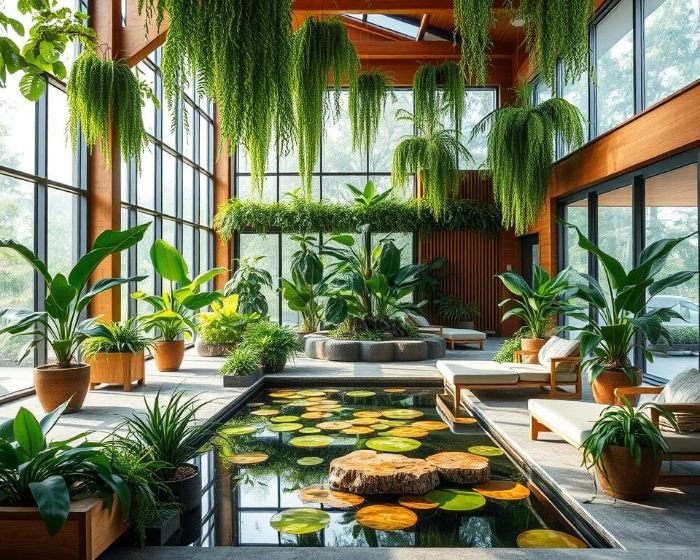
Biophilic design connects indoor rooms with nature through living elements, daylight, air movement, natural materials, organic shapes, water cues, views, and spatial comfort. Plants help, and the stronger room also uses light, air, texture, shape, color, sound, and layout to make the indoor space feel connected to the natural world.
The best biophilic rooms feel alive because every natural cue has space and a reason. A kitchen herb shelf, shaded reading chair, stone tray, linen curtain, water glass catching afternoon light, and clear sightline to a tree can do more than a crowded plant stand. A grounded home feels easy to use and responsive to morning, evening, weather, and season.
Key Takeaways
- Use daylight before adding more nature-themed decor.
- Place plants where light and care match.
- Layer wood, stone, clay, linen, and woven texture.
- Keep water cues small, clean, and maintainable.
- Reset plant corners before they become clutter.
Table of Contents
Biophilic Design Trends To Use First At Home
Current biophilic design trends are strongest when they change how the room feels and works. Choose the trend that fixes the room’s main disconnect from nature: poor daylight, flat materials, stale air, blocked views, hard acoustics, or plant displays with poor growing conditions.
| Biophilic Design Trend | What It Adds | Best Home Use | Mistake To Avoid |
|---|---|---|---|
| Plant-led focal points | Living form, seasonal growth, leaf texture, and care rhythm | Living rooms, entries, offices, and bright bedrooms | Crowding many small pots into one dim corner |
| Daylight-first layouts | Changing light, shadow, time cues, and brighter room edges | Work areas, kitchens, reading chairs, and morning rooms | Blocking windows with tall furniture or dense curtains |
| Natural material layering | Wood grain, stone weight, clay texture, linen movement, and woven warmth | Neutral rooms that feel flat or synthetic | Using glossy imitation finishes that fight the natural mood |
| Organic shapes and patterns | Curves, branching lines, leaf forms, ripples, and controlled complexity | Wall art, rugs, lamps, tiles, and accent furniture | Choosing loud prints that overwhelm the room |
| Indoor-outdoor thresholds | Views, open windows, patio access, balcony plants, and seasonal awareness | Rooms near gardens, decks, balconies, and courtyards | Treating the window as decoration and losing the working view |
| Water and air cues | Movement, humidity awareness, soft sound, and fresher sensory rhythm | Bathrooms, entries, reading corners, and sunrooms | Adding fountains or humidifiers that become cleaning burdens |
| Nature-calibrated lighting | Warmer evenings, brighter task light, and gentler transitions after dark | Bedrooms, living rooms, home offices, and dining areas | Using one bright overhead light for every mood |
Biophilic design often works across nature in the space, natural analogues, and nature of the space. In a home, that means living plants and daylight are only one layer; materials, patterns, views, refuge, airflow, and room shape also matter.
Three Biophilic Design Layers In A Home
| Biophilic Layer | Home Examples | What It Changes | Common Failure |
|---|---|---|---|
| Direct nature | Plants, daylight, views, airflow, water, herbs, seasonal branches | Adds living movement, time cues, scent, humidity awareness, and visual connection | Adding plants in places with poor light, care access, or airflow |
| Natural analogues | Wood, stone, clay, linen, wool, cork, branching patterns, leaf forms, earth colors | Adds natural reference through material, shape, texture, and color | Using imitation finishes that look natural and feel synthetic |
| Nature of the space | Window views, sheltered reading corners, open sightlines, soft transitions, balcony links | Creates prospect, refuge, movement, and a stronger indoor-outdoor relationship | Treating biophilic design as surface styling in a room that still feels blocked |
Biophilic Design Starts With Daylight, Views, And Window Edges
Daylight is the fastest nature signal in most homes. Before adding decor, watch where the sun enters, where shadows move, and which window offers a real view. A chair placed near a tree view, a desk turned toward side light, or a dining table moved away from glare can change the room more than another nature print.
Window edges often fail because they collect furniture, cords, tall lamps, heavy drapes, and neglected plants. Clear the sill and the floor near the glass first. Then decide whether the view needs framing, filtering, or softening. Sheer linen can spread harsh light. A low plant can connect the sill to the floor. A pale wall can reflect daylight deeper into the room.
Rooms with weak daylight need a different approach. Mirrors, light-colored surfaces, reflective trays, and warmer task lights can extend the feeling of natural light, especially in apartments with one exposure. Natural light at home should be treated as a layout factor and a daily rhythm cue.
Pro Tip: Photograph the room from the doorway at 9 a.m., 2 p.m., and after sunset. The photos will show blocked light, dark corners, and dead surfaces faster than memory does.
Plants Anchor Biophilic Rooms When Care Matches The Site
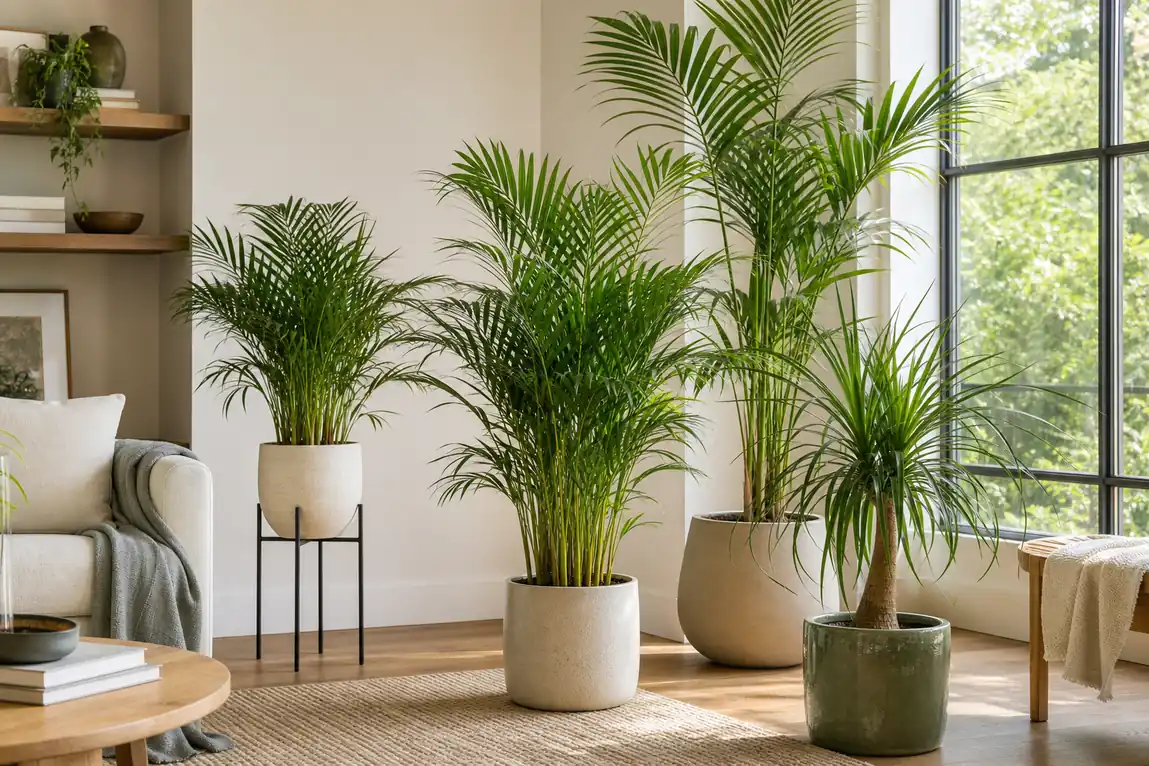
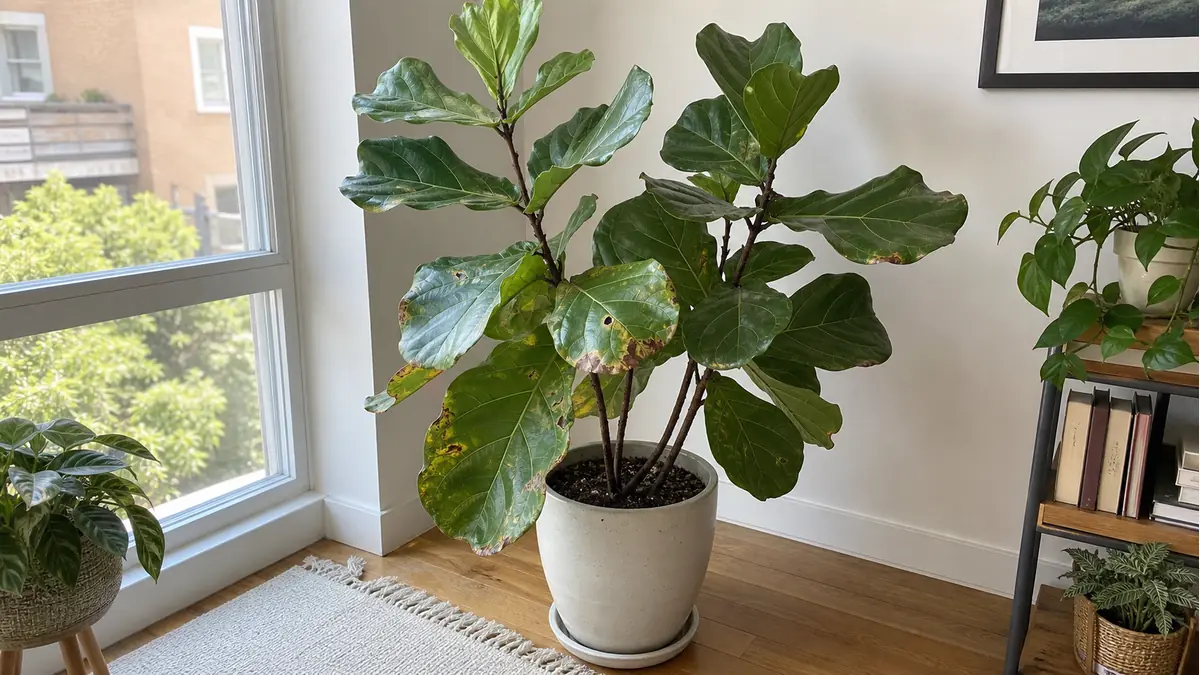
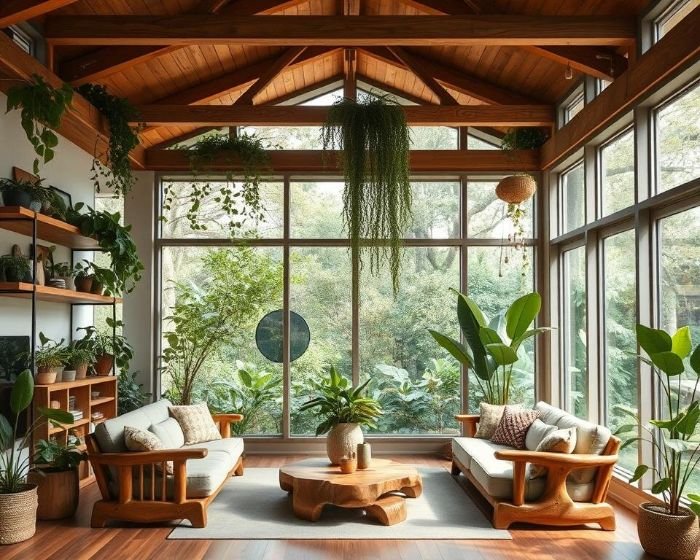
Plants are the most visible biophilic layer, and they fail when placement ignores light, humidity, heat, pets, and maintenance. A fiddle leaf fig beside a hot vent, a fern in dry afternoon sun, or a trailing plant above a hard-to-reach shelf creates stress around the display. The plant should look settled in the room and easy to tend.
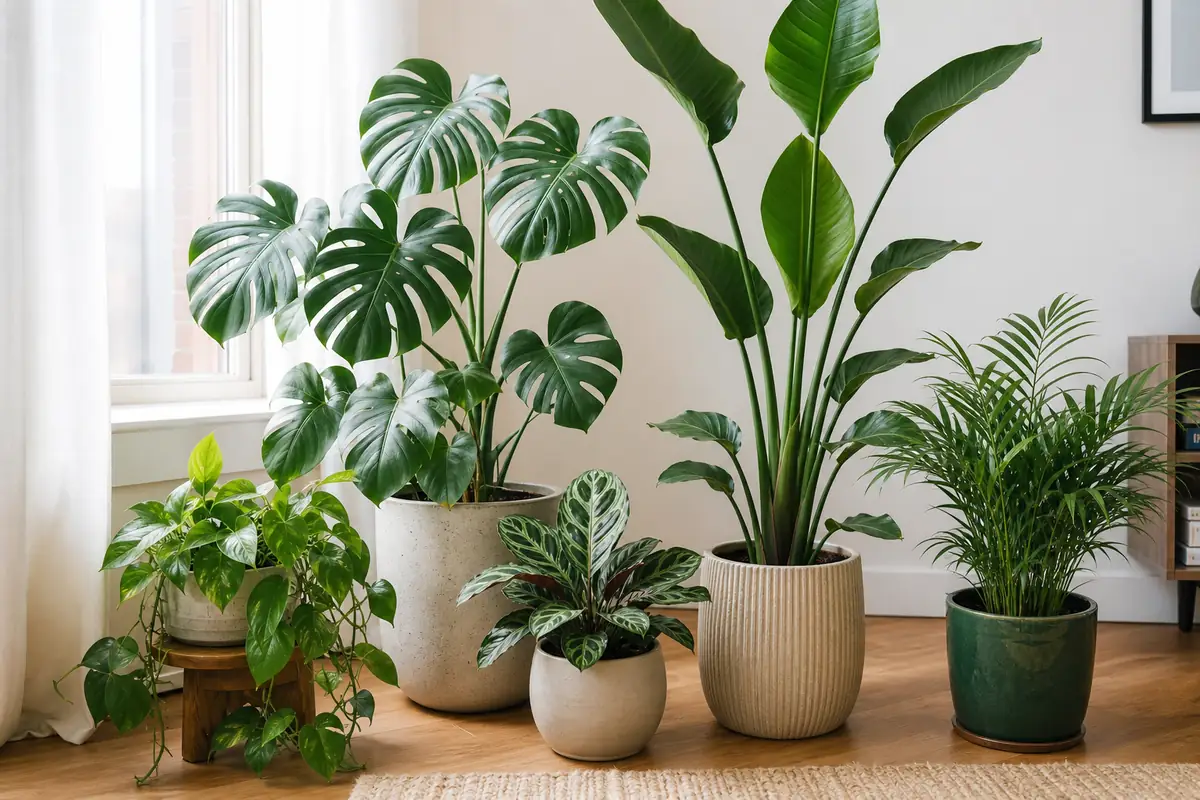
Choose plant roles before choosing species. Tall upright plants can soften empty corners. Trailing stems can break a hard shelf line. Compact herb pots make a kitchen smell green when leaves are brushed. Broad leaves can make a desk feel less sealed off from the living world.
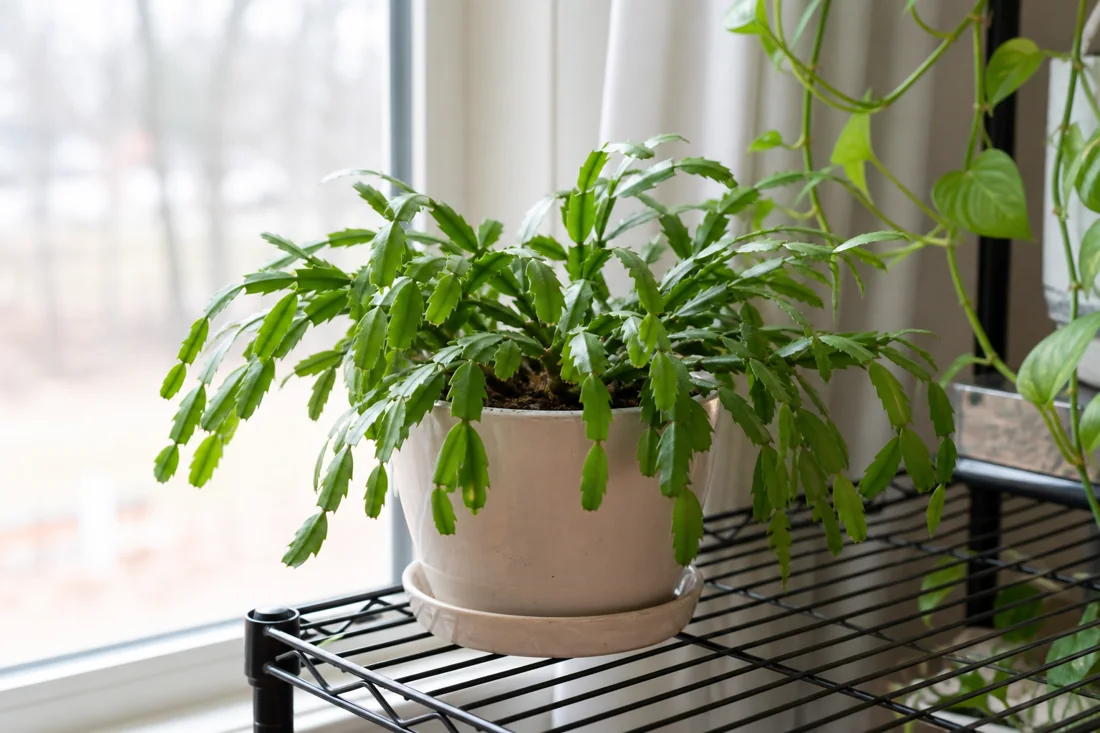
Plant care is part of the design. Yellow leaves, dry soil pulling from the pot edge, dusty foliage, gnats, and nursery pots hidden inside decorative baskets all weaken the room. Incorporating living plants works best when the display includes light access, drainage, and room to water with no five-object shuffle.
| Plant Role | Best Placement | Care Signal | Design Payoff |
|---|---|---|---|
| Large floor plant | Bright corner with space around leaves | Leaves stay evenly colored and dust-free | Softens hard architecture and anchors the view |
| Trailing plant | Open shelf or hanging spot with easy reach | Vines stay full near the pot | Eases straight shelf lines and tall walls |
| Kitchen herbs | Sunny sill or grow-light shelf | Leaves regrow after light harvesting | Adds scent, use, and seasonal routine |
| Bathroom plant | Bright humid room with drainage | No standing water or mushy stems | Turns hard tile into a softer space |
| Desk plant | Side light away from keyboard spills | Soil dries on a regular rhythm | Breaks screen focus and flat surfaces |
Air-quality claims need care. Healthy indoor plants can improve the feel of a room, and they add attention, color, texture, and care rhythm. Whole-room pollutant removal depends more on ventilation, filtration, moisture control, and source control, so indoor plants for air quality need honest room-scale limits.
Natural Materials Make Biophilic Decor Feel Tactile
Biophilic decor should feel good at hand level. Wood grain, cork, clay, stone, linen, wool, rattan, bamboo, jute, seagrass, and unglazed ceramics give the room small surface changes that synthetic smoothness copies poorly. These materials catch dust, light, warmth, and shadow differently, so the room feels less sealed and more touchable.
Use natural materials where the body makes contact. Linen curtains move at the window. Wool rugs soften bare feet. Wood trays warm cold counters. A stone lamp base adds weight to a light corner. Clay pots show moisture through their surface and ground the plant visually.
Material restraint matters. A room with wood floor, wood table, wood blinds, rattan chair, jute rug, and tan baskets can turn flat because every surface speaks in the same register. Mix one coarse texture, one smooth surface, one living element, and one darker anchor. The room will feel natural and layered.
Minimalist decor trends can support biophilic rooms when open sightlines and hidden storage give plants, daylight, and natural materials enough space to carry the room.
Organic Shapes And Patterns Add Nature In Low-Light Rooms
Biophilic design can work in low-light rooms and pet-sensitive homes because nature is more than plant volume. Curved furniture, branching lamp arms, leaf shadows, rippled glass, stone veining, botanical artwork, shell-like ceramics, and rugs with soft irregular patterns can bring natural reference into rooms where live plants struggle.
Pattern needs scale control. Tiny repeated leaves on every pillow become visual noise. One large botanical print, a rug with a loose river-like line, or a tile with soft variation usually reads calmer. The room should have enough order for the eye to settle, then enough variation to avoid feeling manufactured.
Low-light rooms and pet-sensitive homes can still feel biophilic through curved forms, botanical artwork, natural materials, diffuse light, and a clear view to sky or greenery. Bedrooms can use a curved headboard, warm clay wall color, linen bedding, and one plant. Bathrooms can use pebble texture, diffuse light, and a fern. Home offices can use wood grain, a view to the sky, and a branching floor lamp.
Water, Air, And Sound Should Stay Easy To Maintain
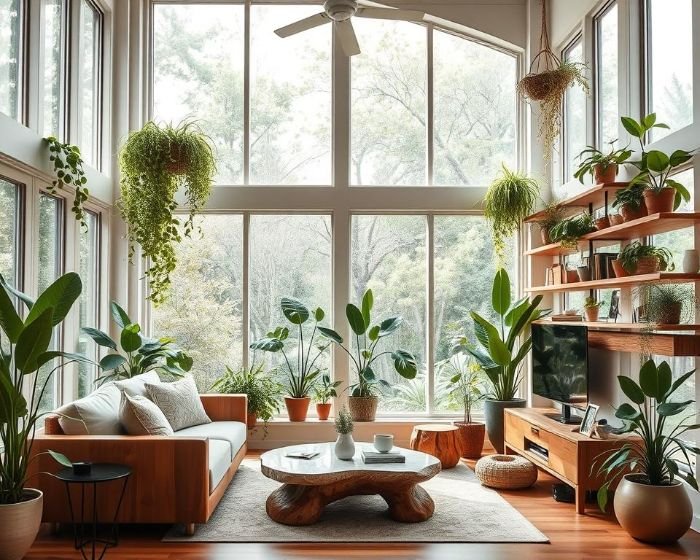
Water and air cues can make a room feel closer to nature, and they need a cleaning plan. A tabletop fountain with mineral crust, a stagnant humidifier, or a vase of old stems sends the wrong signal. Small water details work best when they are simple: a glass carafe near a reading chair, a clean vase with cut branches, a bathroom plant that likes humidity, or a small fountain that can be emptied and wiped weekly.
Airflow is just as important. A room with sealed windows, stale heat, and dusty leaves rarely feels biophilic, even with plants in every corner. Use operable windows when weather allows, keep vents open, move tall plants away from forced-air blasts, and clean leaves so they can transpire normally.
Evening rooms need a nature rhythm after daylight fades. Warm lamps, dimmed task lights, and timed scenes can mimic the drop in outdoor light more gently than one bright ceiling fixture. Smart lighting solutions are useful when they help the room move from work light to meal light to rest light with no extra tabletop clutter.
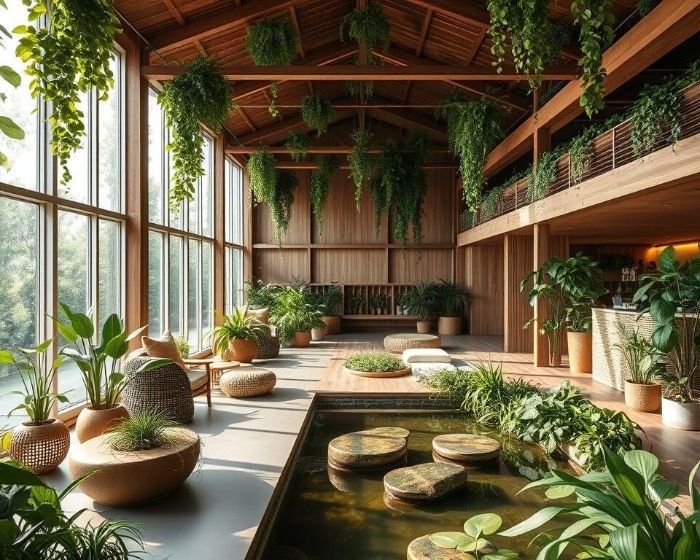
Biophilic Design By Room Needs Different Natural Layers
Each room needs a different relationship with nature. Living rooms can carry the largest plant and the strongest view. Bedrooms need lower stimulation and soft texture. Kitchens benefit from herbs, daylight, and washable natural materials. Bathrooms can use humidity, stone, and reflected light. Home offices need a view break and a material break from screens.
Living Room
Build the room around the best nature view or the best plant position. Keep the plant corner clean, give the seating a view past the room, and use materials that soften sound. A wool rug, wood table, and one large healthy plant usually beat a shelf full of tiny pots.
Bedroom
Keep the bed area quiet. Use breathable bedding, a warm lamp, a clear nightstand, and one plant that can handle the room’s light. A bedroom should show nature through calm repetition: linen, wood, soft green, morning light, and a surface that resets in one minute.
Kitchen And Dining Area
Use biophilic elements that tolerate cleaning. Herbs, wood boards, stoneware, a washable runner, and a window shelf can make the kitchen feel connected to nature and keep prep space clear. Dining areas benefit from low glare, real texture, and a centerpiece that can move easily before meals.
Bathroom And Home Office
Bathrooms often have hard tile, mirror glare, and many product labels. Add one humidity-suited plant, closed storage, a stone or wood tray, and warmer light. In a home office, place a plant or nature view to the side of the screen so the eyes have a real distance break during the day.
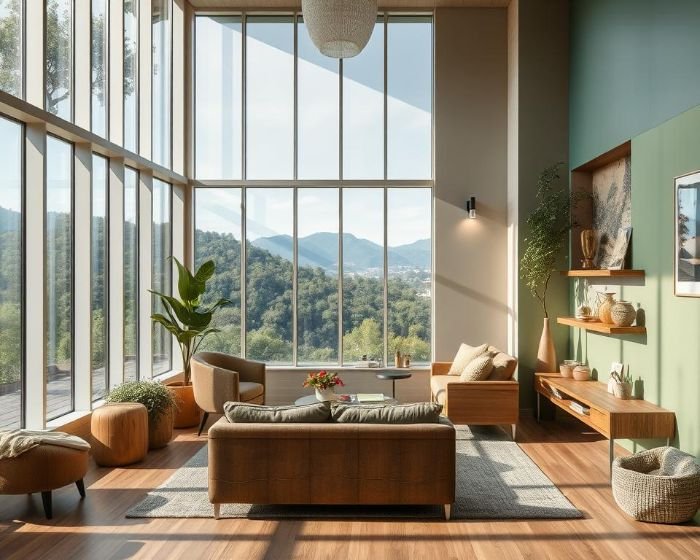
Common Biophilic Design Mistakes Weaken The Nature Connection
The biggest failure is treating biophilic design as a look. A green wall mural, fake vine, and basket of plastic leaves can photograph as nature-inspired and still feel stale in person. The room needs at least one real sensory layer: daylight, living foliage, air movement, texture, scent from herbs, a view, or a material that changes with age.
| Mistake | Visible Sign | Why It Fails | Better Fix |
|---|---|---|---|
| Adding plants before checking light | Leaves yellow, lean, or drop | The plant is used as styling with missing care and site fit | Match plant choice to window direction and distance |
| Using fake natural finishes everywhere | Wood-look surfaces feel slick and repetitive | The room lacks tactile variation | Add one real material at hand level |
| Blocking the best window | The brightest edge holds storage or tall furniture | The room loses its strongest nature connection | Clear the window edge and frame the view |
| Letting plant corners become clutter | Dead leaves, nursery pots, tools, and water marks gather | Care debris reads as mess | Keep one watering kit and prune weekly |
| Adding water features with no cleaning rhythm | Mineral crust, algae, or stale smell appears | The sensory cue becomes maintenance stress | Use washable, small-scale water details |
Start With One Natural Signal The Room Already Has
When the room has good daylight, begin there. Clear the window edge, open the view, move glare-sensitive furniture, and let light reach a pale or textured surface. Add plants only after the light path is working.
For weak daylight, start with texture and shape. Use wood, clay, linen, wool, stone, or a botanical pattern where the hand or eye naturally pauses. The room can still feel biophilic through material connection and organic form.
With too many plants and a tense room, edit the care zone. Remove failing plants, wipe leaves, group by water needs, and give every pot a saucer or cachepot that actually fits. A smaller number of healthy plants will usually feel more natural than a crowded shelf of stressed ones.
Conclusion
Biophilic design brings the outdoors inside when the room has real natural signals instead of surface styling. Start with daylight and views, add plants that can live well in the site, then build the room with wood, stone, clay, linen, organic shapes, softer light, and maintainable water or air cues.
Keep the system easy to care for. A weekly leaf wipe, a clear window edge, a clean water vessel, and one texture check will protect the room better than a sudden plant shopping trip. The room is working when light changes across the day, the plants look settled, and the materials feel grounded under the hand.
FAQ
What is biophilic design?
Biophilic design connects indoor spaces with nature through daylight, plants, natural materials, views, organic shapes, airflow, water cues, and rooms that change with season and time of day.
Is biophilic design only about indoor plants?
No. Plants are one strong layer. Biophilic design also includes natural light, wood, stone, clay, organic patterns, fresh air, water cues, outdoor views, and room layouts that create prospect and refuge.
How do I add biophilic design to a small apartment?
Start with the window, one healthy plant, one natural material at hand level, and a clear floor path. A small apartment usually benefits from fewer stronger nature cues and fewer tiny plant or decor pieces.
What colors work well for biophilic interiors?
Warm white, moss green, clay, bark brown, sand, stone gray, muted blue, ochre, and leaf green work well. The palette should feel connected to a real landscape, with bright natural colors used in small accents.
Can biophilic design work in low-light rooms?
Yes. Use shade-tolerant plants only where they can stay healthy, then rely on wood, stone, linen, botanical art, curved forms, warm lighting, and a clean view to any available sky or outdoor greenery.