




Soil life drives nutrient release, improves structure, and helps roots resist stress. Gardeners can boost microbial activity with simple habits – keep soil covered, add stable organic matter, avoid deep tillage, water consistently, and match pH to crop needs. Most microbial communities thrive when soil stays near pH 6.0–7.0, moisture holds at roughly half to three‑quarters of field capacity, and temperatures sit above 50°F during the growing season. Annual additions of 1–2 inches of mature compost, paired with 2–3 inches of organic mulch, build food and habitat for microbes while moderating heat and evaporation. Inoculation at planting with mycorrhizal fungi benefits many ornamentals, vegetables, and trees by extending the effective root zone and improving phosphorus uptake. Small, steady adjustments create a living soil that grows stronger each season.
Key Takeaways
- A thriving soil microbe population can replace many functions gardeners often rely on fertilizers for, from nutrient release to disease suppression.
- The balance of bacteria, fungi, and other soil organisms shifts quickly when moisture, pH, and organic matter change, making steady care more effective than one-time fixes.
- Strategic use of compost, mulch, and living plant roots builds stable habitats that keep beneficial microbes active year-round.
- Minimal soil disturbance helps maintain fungal networks that support plant health and long-term soil structure.
- Targeted seasonal actions like compost in spring, mulch in summer, cover crops in fall, create continuous food sources and shelter for beneficial organisms.
Table of Contents
Understanding the Role of Soil Microbes in Garden Health
Soil microbes form the living foundation of fertile ground, driving the processes that release nutrients, improve structure, and regulate moisture. They include bacteria, fungi, actinomycetes, protozoa, and beneficial nematodes, each occupying a unique niche. Their activity determines how efficiently plants access water and minerals, how well soil resists erosion, and how effectively pathogens are suppressed. A healthy microbial community is not static; it adapts to seasonal changes, plant root activity, and management practices, making it a dynamic partner in successful gardening.
Bacteria – Primary Agents of Nutrient Cycling
Bacteria dominate microbial populations in most garden soils. They decompose simple organic materials, converting them into plant-available forms such as nitrate and ammonium. Certain species, including rhizobia, form symbiotic relationships with legumes, fixing atmospheric nitrogen directly into root nodules. Others, such as phosphorus-solubilizing bacteria, release bound minerals from soil particles. High bacterial activity depends on consistent moisture, adequate aeration, and a steady supply of fresh organic matter.
Fungi – Builders of Soil Structure and Long-Term Nutrient Stores
Soil fungi perform roles that bacteria cannot sustain over the long term. Saprophytic fungi break down complex carbon sources like lignin, returning slow-release nutrients to the soil over months or years. Mycorrhizal fungi form mutualistic relationships with roots, extending the effective root zone and improving access to phosphorus, zinc, and water. Their hyphae bind soil particles into stable aggregates, increasing resistance to compaction and improving aeration. Fungal networks are particularly vulnerable to deep tillage, which physically disrupts hyphae and reduces their ability to reestablish.
Actinomycetes and Their Role in Organic Matter Transformation
Actinomycetes bridge the functions of bacteria and fungi. They excel at breaking down resistant plant residues, contributing to humus formation. In many garden soils, their presence increases during warm, slightly dry periods, when bacterial activity slows. Actinomycetes also produce natural antibiotics that help suppress soil-borne diseases, offering an additional layer of plant protection.
Protozoa and Beneficial Nematodes – Regulators of Microbial Populations
Protozoa and beneficial nematodes feed on bacteria and fungi, preventing overpopulation of any one group. This grazing releases nutrients in plant-available forms, effectively recycling microbial biomass back into the soil nutrient pool. By regulating populations, they help maintain a balanced microbial ecosystem that supports sustained plant growth without nutrient depletion or disease dominance.
A balanced community of bacteria, fungi, actinomycetes, protozoa, and beneficial nematodes forms a self-regulating system where nutrients are cycled efficiently, soil structure remains stable, and plant health is consistently supported. Understanding their functions allows gardeners to make informed decisions about irrigation, organic matter inputs, and cultivation methods, aligning daily practices with the long-term vitality of the soil.
Environmental Factors That Shape Soil Microbial Activity
Soil microbes respond quickly to shifts in moisture, temperature, pH, and organic matter. Each factor influences not only the number of microbes present but also which species dominate and how they function. Gardeners who understand these relationships can adjust site conditions to favor beneficial organisms, maintain nutrient availability, and reduce the risk of soil-borne disease. The goal is to create a habitat where beneficial species outcompete pathogens while maintaining stable nutrient cycling throughout the growing season.
Soil Moisture and Aeration Balance
Microbial populations depend on a steady film of water around soil particles to support metabolic processes. Bacteria, in particular, decline rapidly in dry soil, while certain fungi can continue functioning under lower moisture levels. Saturated conditions, on the other hand, reduce oxygen availability and encourage anaerobic microbes that may release harmful byproducts. Maintaining soil moisture at roughly half to three-quarters of field capacity supports aerobic organisms without creating conditions for root stress. Incorporating organic matter improves both water-holding capacity and drainage, helping to maintain that balance.
Temperature Ranges for Optimal Function
Microbial activity generally increases as soil warms, with most beneficial species thriving between 50°F and 95°F. Below this range, metabolic rates slow, reducing nutrient release. Above it, heat stress can damage delicate cell structures and accelerate organic matter breakdown beyond sustainable levels. Mulch helps regulate surface temperatures, protecting microbial communities during both early spring chills and peak summer heat. Seasonal planting schedules can also be timed to coincide with periods of peak microbial function for maximum nutrient exchange.
pH Influence on Microbial Communities
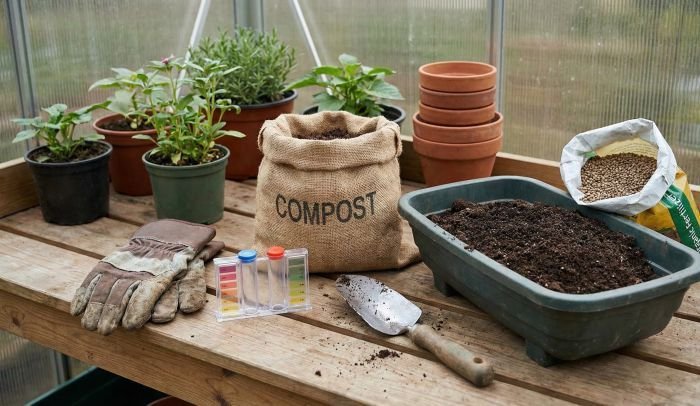
Soil pH determines the solubility of minerals and directly influences microbial species composition. Most bacteria perform best between pH 6.0 and 7.0, while many beneficial fungi tolerate slightly more acidic conditions. Extreme acidity or alkalinity reduces overall diversity and favors organisms that may not contribute to plant health. Regular pH testing, followed by targeted amendments such as lime or elemental sulfur, helps maintain conditions that support a balanced microbial ecosystem.
Organic Matter as a Sustained Energy Source
Organic matter is the primary energy supply for soil microbes. Fresh inputs like cover crop residues stimulate rapid bacterial growth, while well-decomposed compost feeds fungi and actinomycetes over longer periods. Stable humus also plays a role by buffering pH, retaining moisture, and binding nutrients. Applying a mix of fast- and slow-decomposing materials creates both immediate and sustained food sources, keeping microbial activity steady year-round.
Microbial communities adapt to their environment, but their productivity depends on stable, favorable conditions. By managing moisture, temperature, pH, and organic matter, gardeners can guide these populations toward maximum efficiency and resilience, creating a soil environment that supports healthy plant growth season after season.
Practical Techniques for Supporting a Healthy Microbial Ecosystem
Soil microbes flourish when their habitat remains stable, diverse, and rich in energy sources. Every cultivation choice affects their survival and activity, from how soil is prepared to how it is protected during the hottest months. Well-timed interventions that supply organic matter, regulate temperature, and avoid unnecessary disturbance create conditions where beneficial species dominate and nutrient cycling stays continuous. The focus is on maintaining living systems, not simply boosting numbers temporarily.
Building Organic Matter with Targeted Inputs
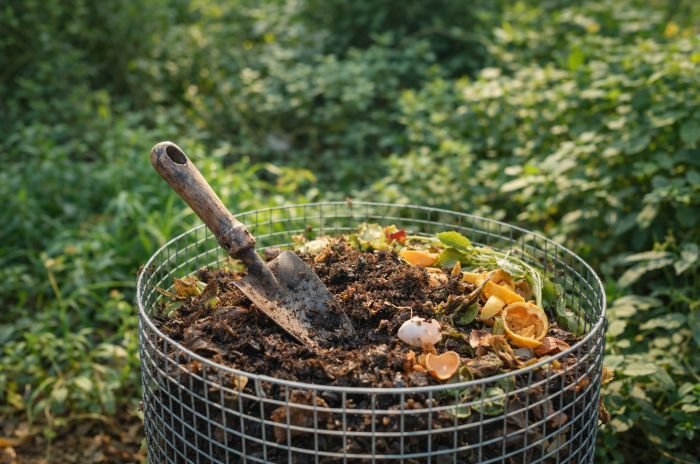
Applying organic matter in both readily available and slow-release forms ensures that microbial populations receive a steady energy supply. Finished compost delivers a balanced blend of nutrients and microbial inoculants without the risk of root damage. Mulch, whether from shredded leaves, straw, or bark, protects surface layers, slows evaporation, and acts as a long-term carbon source as it breaks down. Combining compost with mulch maximizes both immediate and sustained microbial feeding.
Reducing Soil Disturbance to Protect Fungal Networks
Deep tillage disrupts the hyphal structures of mycorrhizal fungi, reduces aggregation, and exposes soil organisms to heat and ultraviolet light. Replacing traditional plowing with shallow cultivation or no-till methods preserves microbial habitats and allows soil biology to stabilize over multiple seasons. Where soil compaction is an issue, targeted aeration with a broadfork loosens subsoil without destroying surface structure.
Providing Continuous Root Exudates with Living Plants
Roots release organic compounds into the rhizosphere, directly feeding bacteria and fungi. Maintaining living roots year-round, using cover crops in the off-season or interplanting in active beds, keeps this nutrient flow steady. Leguminous cover crops add the added benefit of symbiotic nitrogen fixation, while deep-rooted species help transport nutrients from subsoil layers to the surface.
Seasonal Practice Matrix for Microbial Health
| Practice | Microbial Benefit | Timing/Frequency | Notes for Gardeners |
|---|---|---|---|
| Apply 1-2 inches of compost | Increases microbial diversity and nutrient cycling | Early spring and mid-summer | Use finished compost to avoid root burn |
| Maintain 2-3 inches of organic mulch | Regulates temperature, conserves moisture, feeds fungi | Year-round | Refresh before peak summer heat |
| Reduce soil disturbance | Preserves fungal networks and aggregates | Continuous | Use shallow cultivation only when needed |
| Plant cover crops | Sustains microbial feeding with root exudates | Late summer to early fall | Incorporate before seed set |
Effective microbial support is the result of consistent management rather than occasional inputs. By combining organic matter application, reduced disturbance, and living plant cover, gardeners establish a resilient soil ecosystem that improves plant health, water efficiency, and long-term fertility without reliance on heavy chemical intervention.
Integrating Microbial Management into Overall Garden Planning
Soil microbes do not operate in isolation from other garden elements. Their activity interacts with crop rotation, irrigation patterns, plant diversity, and structural layout. Treating microbial management as a separate task limits its impact. When it becomes part of the entire garden planning process, each planting decision, bed design, and maintenance schedule can contribute to sustaining a balanced soil ecosystem. This approach maximizes the return from every intervention, whether it is applying compost, selecting crops, or arranging planting zones.

Aligning Crop Rotation with Microbial Needs
Different plant families release varying root exudates and host different communities of microbes. Brassicas tend to suppress certain soil fungi, while legumes stimulate nitrogen-fixing bacteria. Planning rotations that alternate between nutrient-demanding crops, nitrogen-fixing plants, and deep-rooted species keeps microbial diversity high. Avoid repeating the same crop family in a bed within a short cycle to reduce pathogen build-up and prevent the dominance of a single microbial group.
Coordinating Irrigation with Biological Activity
Microbes require consistent moisture, but their oxygen needs make water management a balancing act. Drip irrigation delivers steady moisture without saturating the soil, keeping aerobic organisms active. Scheduling irrigation early in the day limits evaporation and reduces temperature stress in the upper soil layers. Aligning irrigation frequency with the root depth of current crops supports both plant growth and microbial stability, especially during transitional weather periods.
Designing Beds and Pathways for Soil Protection
Permanent bed layouts with defined pathways reduce compaction in growing areas, protecting microbial habitats from foot traffic and machinery. Mulched or planted paths contribute organic material over time as they decompose, subtly feeding adjacent beds. Raised beds warm more quickly in spring, extending the period when microbial activity remains high, while also improving drainage in wetter climates.
Integrating microbial considerations into every aspect of garden planning shifts soil health from being a seasonal project to a year-round process. Over time, the garden becomes less dependent on external inputs, as the soil’s biological system maintains fertility and resilience with minimal intervention.
Common Practices That Harm Soil Microbes and How to Avoid Them
Microbial communities are highly sensitive to physical disturbance, chemical imbalance, and prolonged environmental stress. Even well-intentioned gardening habits can disrupt these populations, leading to reduced nutrient cycling, increased disease pressure, and weaker soil structure. Identifying harmful practices and replacing them with less disruptive alternatives preserves long-term biological function and prevents the decline of beneficial species.
Excessive Tillage and Soil Inversion
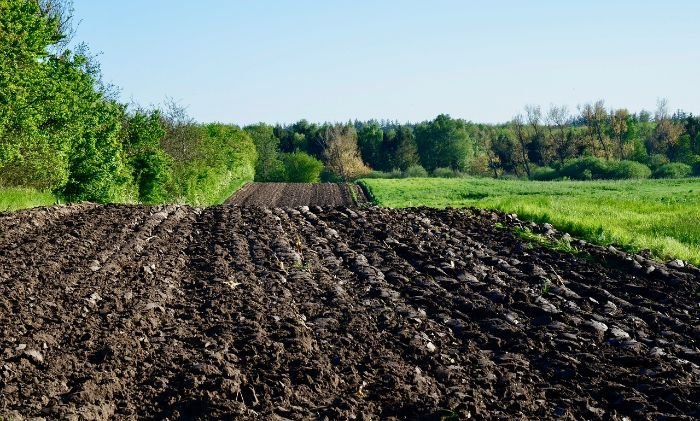
Deep or frequent tillage breaks apart soil aggregates, exposes organic matter to rapid oxidation, and destroys fungal hyphae. This disruption shifts microbial communities toward fast-cycling bacteria at the expense of fungi, reducing long-term carbon storage and structural stability. Where soil loosening is necessary, shallow cultivation or the use of broadforks maintains structure while still relieving compaction. Cover crops with strong root systems can also improve porosity without mechanical intervention.
Overapplication of Synthetic Fertilizers
High doses of readily soluble nitrogen can suppress symbiotic relationships between plants and microbes, particularly mycorrhizal fungi. Excess fertilizer also alters soil pH and increases salt concentrations, both of which reduce microbial diversity. Using targeted fertilization based on soil testing ensures nutrients are added only where needed. Organic amendments, such as compost or slow-release natural fertilizers, provide nutrients in forms that support microbial activity rather than replacing it.
Pesticide Misuse and Non-Selective Chemicals
Broad-spectrum pesticides can damage non-target organisms, including beneficial soil fauna that regulate microbial populations. Persistent residues in soil may alter microbial balance for months after application. Choosing pest control methods with minimal soil impact, including spot treatments, biological controls, or targeted organic-approved products, protects microbial allies while addressing problem pests.
Prolonged Soil Exposure Without Cover
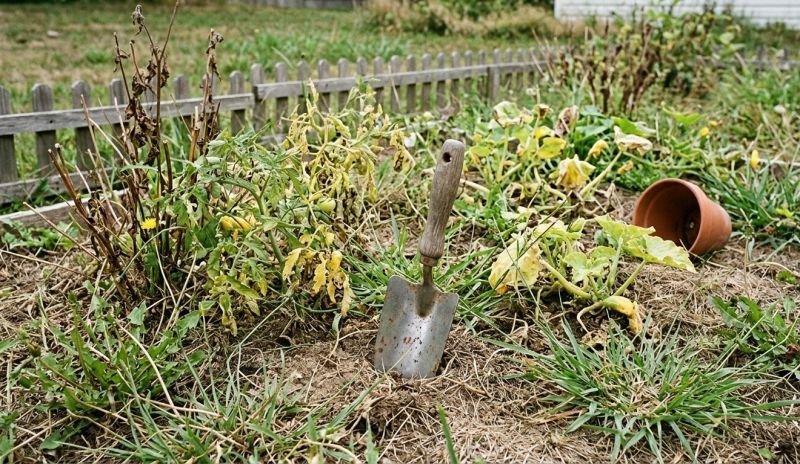
Bare soil experiences greater temperature fluctuations, moisture loss, and erosion, all of which stress microbial communities. Without a protective layer of organic matter or living roots, populations decline rapidly, especially in dry or hot conditions. Maintaining continuous cover with mulch, cover crops, or interplanted ground covers creates a stable habitat that supports year-round microbial activity.
Avoiding destructive practices is as important as introducing beneficial ones. When soil disturbance, chemical inputs, and exposure are minimized, microbial systems have the stability they need to perform critical ecological functions, reducing the need for corrective measures in the future.
Monitoring and Assessing Soil Microbial Health
Evaluating microbial health helps determine whether garden practices are sustaining soil biology or unintentionally causing decline. Without regular assessment, it is difficult to connect changes in plant performance to shifts in the soil’s living community. Simple observation, combined with basic testing, allows gardeners to track microbial trends and adjust management before problems escalate.
Visual and Structural Indicators in the Garden
Healthy soils often have a rich, earthy smell, dark coloration, and a crumbly texture that resists compaction. Plant roots should appear well-branched with fine root hairs and, in legumes, visible nodules from nitrogen-fixing bacteria. A high presence of earthworms and other soil-dwelling invertebrates suggests a stable environment for microbes, as these organisms thrive alongside a diverse microbial population. Conversely, compacted clods, foul odors, or waterlogging indicate conditions unfavorable for aerobic life.
Simple Biological Activity Tests
Low-cost methods can reveal trends in microbial activity. The soil respiration test measures carbon dioxide release over a fixed period, indicating metabolic activity. The tea bag index, which tracks decomposition rates of buried plant material, provides a quick proxy for organic matter breakdown and microbial function. Observing the speed at which surface mulch decomposes can also serve as an informal gauge of microbial vigor.

Laboratory Analysis for Deeper Insight
When precise data is needed, laboratory testing can identify microbial groups, measure biomass, and detect imbalances. Phospholipid fatty acid (PLFA) analysis distinguishes between bacterial and fungal populations, while DNA-based methods such as qPCR can detect specific beneficial or pathogenic species. Nutrient mineralization rates, measured in controlled conditions, help predict how well the soil will supply plants over a season.
Regular monitoring builds a clear picture of how microbes respond to changes in irrigation, crop rotation, or organic matter inputs. Over time, this feedback loop allows gardeners to fine-tune their practices, reinforcing beneficial trends and correcting detrimental ones before they impact yield or plant health.
Conclusion – Building Long-Term Soil Vitality Through Microbial Stewardship
Sustaining a diverse and active microbial community is not the result of a single intervention but of consistent, well-planned management. By aligning crop selection, soil preparation, organic matter inputs, and irrigation with microbial requirements, gardeners create conditions where beneficial organisms remain active across seasons. Avoiding practices that degrade biological life, while monitoring indicators of soil health, turns the garden into a self-renewing system capable of supporting strong growth year after year. Over time, this approach reduces dependence on external inputs, strengthens resilience against pests and diseases, and preserves the soil as a living asset for future cultivation.
FAQ
How can I tell if my soil has a healthy microbial population?
Healthy soils typically have a stable, earthy aroma, a granular crumb structure, and visible biological activity such as earthworms and well-branched plant roots. Laboratory testing can confirm microbial diversity and biomass, but regular observation of root health, organic matter decomposition rates, and soil smell provides valuable on-site indicators.
How often should I add compost to support soil microbes?
Most garden soils benefit from one to two inches of finished compost applied annually in early spring or late summer. This frequency maintains microbial food supply without overloading the soil with nutrients. Using mature compost avoids root burn and delivers a balanced mix of organic matter and microbial inoculants.
Does tilling always harm soil microbes?
Deep or frequent tillage disrupts fungal networks and accelerates organic matter breakdown, which can reduce long-term microbial stability. In some cases, shallow cultivation may be needed to address compaction or prepare seedbeds, but minimizing disturbance preserves habitat and promotes balanced microbial communities.
Can soil microbes survive winter conditions?
Many soil microbes enter a dormant state during cold periods but remain viable until temperatures rise. Mulching and maintaining cover crops can moderate soil temperature swings, protect habitat, and ensure a quicker resurgence of microbial activity in spring.
How does soil pH influence microbial activity?
Most bacteria perform optimally between pH 6.0 and 7.0, while many beneficial fungi tolerate slightly more acidic conditions. Extreme pH levels reduce microbial diversity and may favor species that do not contribute to plant health. Regular pH testing and targeted amendments help maintain a balanced microbial ecosystem.
Is it possible to boost soil microbes without adding compost?
Yes. Maintaining living roots year-round, reducing soil disturbance, and applying mulch can sustain microbial communities even without compost applications. These practices provide organic inputs and stable habitat, which are necessary for microbial survival and reproduction.
How can irrigation methods affect soil microbial health?
Microbes require consistent moisture but also adequate oxygen. Drip irrigation delivers water steadily without saturating the soil, keeping aerobic organisms active. Overhead watering can work if timed early in the day to minimize prolonged surface wetness and temperature stress.