

Are you tired of dirty, bruised hands after gardening? Want to protect your hands? Knowing how to pick the right gardening gloves is key. But with so many choices, finding the ideal pair can be tough. Let’s learn how to pick gloves tailored to your needs.
We’ll journey into the gardening glove world in this guide. You’ll learn about types and materials. And we’ll help you match gloves to different gardening tasks. This will empower you to choose wisely.
Key Takeaways:
- Choosing the right gardening gloves is crucial for protecting your hands during gardening tasks.
- Gardening gloves can prevent cuts, blisters, chemical exposure, and the spread of pesticides.
- Factors to consider when selecting gloves include material, durability, fit, comfort, and task suitability.
- There are various types of gardening gloves, including leather, cotton, rubber, and synthetic options.
- Specialty gloves are available for thorn-resistant, waterproof, and grip-enhanced needs.
Table of Contents
About Gardening Gloves
Gardening gloves are a must-have for anyone who loves gardening. They keep your hands safe from sharp thorns, cuts, and blisters. Plus, they block out harmful chemicals and bacteria. The right gloves can significantly improve your gardening experience, ensuring safety and comfort.
The Importance of Using the Right Gloves
Wearing the correct gloves when gardening is critical. You often need to use sharp tools and work with thorny plants. You might also touch pesticides or fertilizers. Without proper gloves, these tasks can lead to painful injuries or contact with dangerous substances.
Gardening gloves function as a protective shield. They help avoid cuts, abrasions, and blisters. Gloves also guard against chemical irritants and allergens found in gardening products. By putting on gloves, the risk of skin irritation or allergies lowers.
Moreover, gloves reduce the spread of pesticides and harmful bacteria. In the garden, you might touch dangerous materials. These could be bad if they get in your body. Gloves act as a barrier, making it less likely for these things to affect you and keep you healthy.
No matter if you’ve been gardening for a while or are starting fresh, the right gloves are crucial. They offer more than just physical safety. Wearing gloves lets you focus on enjoying gardening. This is without fear of getting hurt or dealing with dangerous substances.
Key Factors to Consider
When looking for the right gardening gloves, you should keep several things in mind. Pay attention to the material’s quality and how long it’ll last. Also, see if they fit well and are comfy. Think about what kind of gardening activities you do, too.
Material and Durability
Different materials in garden gloves affect how long they last and how they work. Leather gloves are long-lasting and can take on thorns and sharp bits without tearing. Cotton gloves are great for simple gardening because they’re light and let your hands breathe.
If you’ll be around prickly plants, choose gloves that can handle it. For rough jobs like digging, leather or tough synthetics are your best bet.
Fit and Comfort
Gloves that fit perfectly are crucial. They should not be too tight or too loose. This can mess with how well you can use your hands. Make sure you know your hand size. And look for gloves with straps or stretchy parts to tweak the fit.
Being comfy in your gloves is important for long days. Try to find some with soft palms or parts that reduce hand fatigue. Make sure they’re flexible for easy movement.
Task Suitability
Not all gloves are good for everything. Think about what you’ll be doing with them. If you’ll touch water a lot, find gloves that keep your hands dry and have a good grip.
Some tasks need both safety and nimble fingers. You can find gloves that are protective but still let you work carefully. Make sure the gloves let you use gardening tools and do detail work safely.
Types of Gardening Gloves
In gardening, there are many glove types to pick from. Each kind has special features for different needs. You might want gloves for being tough, comfy, or for dealing with chemicals. Now, let’s look at the various gardening gloves you can find.
Leather Gloves
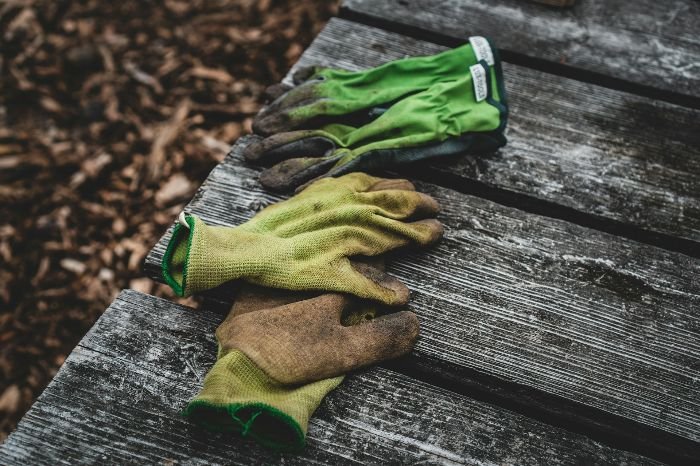
Leather gloves are strong and last a long time. They keep your hands safe from thorns and rough stuff. Use them for hard jobs like pruning roses. They are great at protecting your hands and helping you hold tools well.
Cotton Gloves
Cotton gloves are best for letting your hands breathe. They keep you cool and dry in hot times. They work well for easy tasks like planting seeds. But remember, they don’t protect against thorns much.
Rubber and Latex Gloves
If you need to protect your hands from water or chemicals, use rubber or latex gloves. They are good for tasks like watering plants. Be careful, some people are allergic to latex. Luckily, there are latex-free gloves too.
Synthetic Gloves
Synthetic gloves are a mix of durability, flexibility, and comfort. They work for many gardening jobs. These gloves keep your hands dry and safe. They are a good choice if you want something that does it all.
Think about what you need when choosing gloves. Leather gloves are for tough jobs, cotton for easy tasks, and rubber/latex for water and chemicals. Synthetic gloves are all-around helpful. Pick the best gloves for your garden tasks. This way, your hands will be safe and happy while you work outside.
Specialty Gardening Gloves
There are many types of gardening gloves. Some are made for specific tasks or conditions. These specialty gloves help you work better and more comfortably in different gardening situations.
Thorn-Resistant Gloves
Gardening can be prickly, with thorny plants that scratch and tear. Thorn-resistant gloves offer a thicker layer to protect against these thorns. This keeps your hands free from injury while working with sharp plants.
Waterproof Gloves
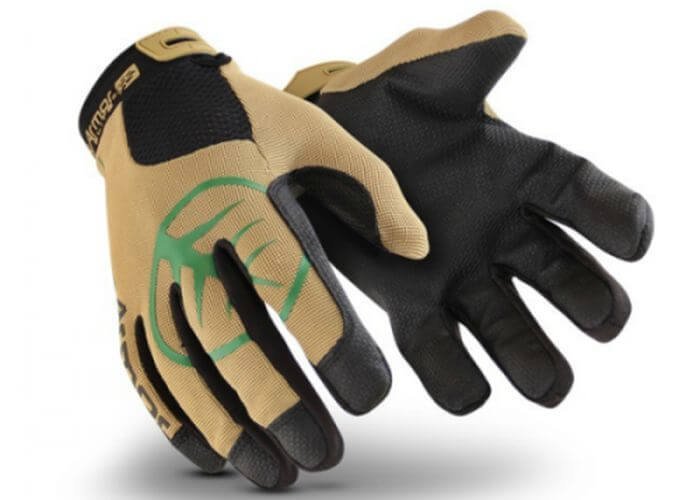
Often, your hands get wet in the garden from watering plants or rainy weather. Waterproof gloves keep your hands dry. They let your hands breathe while blocking out water. This is great for working with wet tools without getting your hands soaked.
Grip-Enhanced Gloves
A good grip helps you work more precisely and stay safe. Grip-enhanced gloves have special materials on the palms and fingers. These materials make it easier to hold tools and plants. You can work with confidence knowing you won’t drop items or hurt yourself.
Using gloves like thorn-resistant, waterproof, and grip-enhanced ones can make gardening better. Each type offers specific benefits, making your work easier and more enjoyable. They ensure you have the right protection and support for any gardening task.
Choosing the Right Material
Choosing the right gardening gloves material is key. Different materials have various benefits and downsides. It’s important to look at their good and bad sides. Then, choose what’s best for certain gardening jobs.
Pros and Cons of Different Materials
Gardening gloves can be made from various materials. Let’s dive into the details of each. We’ll check out their good and bad points:
- Leather – Leather gloves last long and guard against sharp things well. They’re comfy and allow fine hand movements. Yet, they might feel hot and turn hard if not cared for properly.
- Cotton – Cotton gloves are light and let your hands breathe. They’re great for easy gardening work. But, they don’t protect much against sharp stuff and aren’t for tough tasks.
- Rubber and Latex – Rubber gloves keep your hands dry and safe from chemicals. They’re good for working with wet stuff. Yet, they might not let you move your hands as well and could be tiring to wear for a long time.
- Synthetic – Synthetic gloves offer a bit of everything. They can be tough, let air through, and resist water. But, their quality changes with what they’re made of.
Best Materials for Specific Gardening Tasks
Some materials work better for certain jobs in the garden. Here are some suggestions:
- For tasks needing a lot of strength, like dealing with thorns, choose leather.
- Cotton is good for tasks where you need comfort and flexibility.
- Rubber or latex gloves are best for wet or chemical work because they keep you safe.
- Synthetic gloves work well if you want a mix of protection and comfort.
Eco-Friendly and Sustainable Options
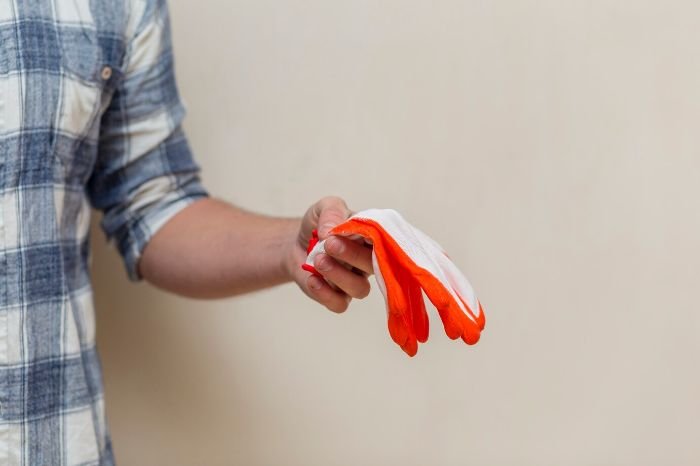
For those who care about the Earth, there are gloves made with the environment in mind. They’re crafted from organic or reused materials. This reduces harm to the planet.
Look for gloves made of bamboo or used plastic. They save nature and still keep you safe while you garden. By choosing wisely, you help keep the Earth healthy.
Ensuring Proper Fit and Comfort
To get the most out of your gardening gloves, make sure they fit well and feel really comfy. The right fit boosts how well you work and keeps your hands safe. We’ll show you how to measure your hands, what to check for in comfy gloves, and how to tweak the fit.
How to Measure Your Hands for Gloves
Figuring out the correct glove size is crucial before you buy them. Start by measuring your hand width. Use a measuring tape on the widest part of your palm, without including your thumb. For hand length, measure from your longest finger’s tip to your wrist’s base. Remember to measure both hands because they could be a bit different in size.
After noting your hand measurements, look at the sizing chart from the glove maker. This helps you choose the right size. Remember, sizes can vary between brands. Always check the specific size guide for the gloves you want.
Features to Look for in Comfortable Gloves
Being comfy is key when picking out gardening gloves. Here are a few important features for comfy gloves:
- Adjustable cuffs – You can get a better fit and keep out debris with gloves that have adjustable cuffs.
- Padded palms – Gloves with padded palms feel better, especially when doing a lot of tasks or using tools.
- Breathable materials – Choose gloves made with materials like cotton or synthetics to avoid sweating too much and stay comfortable.
- Flexible and lightweight – Light, flexible gloves help you move easier and work all day more comfortably.
Adjusting Fit for Optimal Performance
Even with the right sized glove, you might need to adjust for a perfect fit. Here are tips to make your gloves fit better:
- Adjust the closure – If your gloves have Velcro or elastic bands, you can make them tighter or looser to fit your wrist better.
- Check finger length – Your fingertip should reach the glove’s end without being squeezed. If they’re too long, you can fold the extra material for a better fit.
- Try different styles – Not all gloves fit the same, even in the same size. See what works best for you, like fingerless gloves or different finger lengths, to find the most comfortable option.
Matching Gloves to Gardening Tasks
Different gardening jobs need different gloves. Picking the right gloves makes you more comfortable and safe. We will look at gloves for planting and weeding, pruning, handling thorny plants, and gloves for wet work.
Gloves for Planting and Weeding
For planting and weeding, you need comfy gloves that let you feel things. Choose gloves made of cotton or synthetics for breathability. These gloves are flexible, making it easy to handle little seeds and plants. Some come with rubber tips for a better hold on small items.
Gloves for Pruning and Handling Thorny Plants
For pruning or dealing with thorny plants, choose gloves that protect well. Leather gloves are good as they protect you from pricks and sharp plants. Some have extra protection on the fingertips and palms. They keep your hands safe and offer a good grip.
Gloves for Watering and Wet Conditions
Watering and working in wet areas requires special gloves. Look for ones made of rubber or neoprene as they keep water out. These gloves have patterns on the palm and fingers for a strong touch on tools. Some have long cuffs to keep water away from your hands.
Choosing the right gloves for each job makes your gardening better. It helps you stay comfortable and safe.
Maintenance and Care of Gardening Gloves
Taking care of your gardening gloves is important. It helps them last longer and work better. By doing simple things, you keep your gloves in good shape. This gives you protection and comfort during gardening.
Cleaning and Storing Gloves Properly
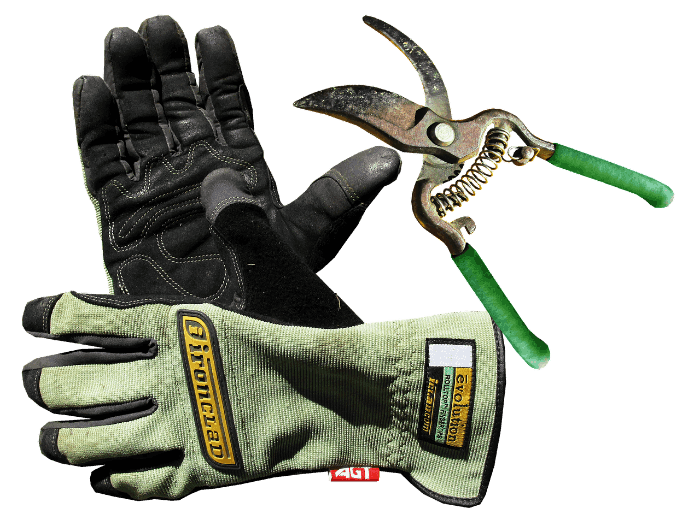
Always check the care label for how to clean your gloves. Some are fine in the washing machine. Others need handwashing. If you wash by hand, use mild soap, and warm water. Rinse well and let them dry in the open.
After cleaning, think about where you put your gloves. Don’t leave them in the sun or extreme heat. They can get damaged. Store them in a cool, dry place, away from light and damp. You can hang them up or keep them in a bag to stay neat and safe.
Tips for Prolonging Glove Life
Here are some easy ways to make your gloves last longer:
- Check your gloves after each use for any wear or damage. Fix problems right away.
- Avoid chemicals that can harm your gloves and make them less useful.
- Pick thin gloves to wear under your gardening ones. This adds more protection.
- Use several pairs of gloves. This lessens wear and tear.
- Keep your gloves clean and dry. This stops bacteria and mold from growing.
When to Replace Your Gardening Gloves
Knowing when to get new gloves is key for hand safety. Look for these signs that tell you it’s time for a new pair:
- See any tears or holes in your gloves that can’t be fixed.
- Noticing too much wear on the hands, which can be dangerous.
- They are too loose or they don’t fit right, risking your safety.
- Stains that won’t wash out signal the need for replacement.
- If they aren’t working well anymore or show other damage, it’s replacement time.
By taking good care of your gardening gloves, they will last longer. This means you get more use from them. Enjoy the benefits of keeping your hands safe as you garden.
Conclusion – Selecting the Perfect Gardening Gloves
Choosing the right gardening gloves is key to keeping your hands safe. In this guide, we’ve stressed how important it is to choose the best pair. By keeping your gardening tasks in mind, you’ll find the perfect gloves for you.
Leather gloves last long. Cotton gloves let your hands breathe. Synthetic gloves are very flexible. Think about the tasks you do most to pick the right type.
Some jobs may need special gloves. Like gloves that keep thorns away, stay dry, or help you grip better. These kinds of gloves add extra protection for your hands.
Looking after your gloves means they’ll keep working for you. Clean them the right way and store them properly. Replace them when needed. This way, your gloves will always do their job well.
Choosing the best gardening gloves is all about the material, fit, and what you do in the garden. Pick the perfect pair and take good care of them. This makes sure you stay comfortable and safe while gardening. With these tips, you’re ready to find the gloves that are just right for you. Happy gardening!
FAQ
Why is it important to wear gardening gloves?
Wearing gloves keeps your hands safe. They protect from cuts, blisters, and chemicals. Gloves also stop the spread of pesticides and bacteria.
What factors should I consider when choosing gardening gloves?
Think about the type of work you’ll do. Choose gloves that match the job. Look for those that fit well and feel comfortable.
What are the different types of gardening gloves available?
There are many types to pick from. You can find leather gloves for tough jobs. Cotton gloves are great for when you need your hands to breathe.
Rubber and latex gloves protect against chemicals. Synthetic gloves are versatile. They are good for many tasks.Are there specialty gardening gloves for specific tasks or conditions?
Definitely. You can get gloves that protect against thorns. Waterproof gloves keep your hands dry.
Grip-enhanced gloves help you hold tools better.How can I ensure proper fit and comfort with gardening gloves?
First, measure your hands. This helps you find the right size. Look for gloves with adjustable features for more comfort.
Make sure they fit well and feel good while you work in the garden.How do I match gloves to specific gardening tasks?
Task-specific gloves are best. For planting and weeding, light and flexible gloves are good. For pruning, choose heavy-duty gloves. When working in wet areas, pick waterproof ones.
How should I maintain and care for my gardening gloves?
To keep gloves in good shape, clean and store them well. Follow care tips to make them last longer.
Damaged gloves should be replaced. Good gloves keep you protected and help you work better.