

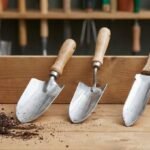


Ever thought about what makes a garden shovel so important for gardening? It’s amazing how a simple shovel does so much in a garden. Let’s explore the parts that make a garden shovel and how they help with gardening.
Key Takeaways:
- By knowing a shovel’s parts, you can pick the best one for your garden.
- Knowing the parts helps with using and taking care of your shovel.
- The blade, tip, shaft, handle, and more all make the shovel work well.
- Knowing the right materials and how the parts work is key to using tools right.
- Learning about shovels makes gardening easier and more fun.
Table of Contents
About Garden Shovels
Garden shovels are key tools for many gardening tasks. They help with digging, moving plants, or heavy stuff. It’s vital to know how to use these shovels well.
Importance of Knowing Your Garden Tools
It’s key to know your gardening tools, like shovels. This helps you work better and faster. By learning about different shovels, you can pick the best one for your task. Knowing your tools well makes gardening easier and saves time. It gives you the confidence that you’re using the right tool.
Overview of the Garden Shovel
Garden shovels come in many shapes and sizes. They are made for various gardening jobs. Each shovel has a blade, tip, shaft, handle, and more. These parts help it work right. Next, we’ll look closer at these shovel parts and how they help in the garden.
The Blade
The blade is key in a garden shovel for great gardening. The right blade improves tools for the job. Learn about the blade’s material, shape, and style to choose wisely for your needs.

Blade Material Options
Choosing a blade material is vital when picking a garden shovel. You’ll find steel, aluminum, and plastic options.
- Steel – Steel blade shovels are strong and last a long time. They handle tough soils without bending easily.
- Aluminum – Aluminum blades are light and rust-resistant. They work well with everyday garden tasks.
- Plastic – Plastic blade shovels are lightweight and don’t rust. They suit softer soil and lighter tasks best.
Blade Shape and Design Variations
Blades vary in shape to fit different gardening needs. Shapes like round point and square point are common. They help with specific tasks.
- Round Point – For general digging and moving soil and plants. Its shape and tip make it easy to use.
- Square Point – Best for cutting through roots, sod, and tough soil. Its flat tip offers more cutting power.
- Narrow – Ideal for precise work like digging trenches or moving small plants. Its slim shape fits tight spots.
Functions of Different Blade Types
Garden shovels do various tasks based on their materials and shapes:
- Digging – Blades are for making holes and planting areas.
- Lifting and Moving – They assist in moving earth, mulch, or gravel.
- Cutting – Some types are great for breaking tough ground or roots.
- Edging – Narrow blades help create neat borders in gardens.
Consider the blade’s material, shape, and function to pick the perfect shovel for your garden.
The Tip
The tip at the end of a garden shovel is very important. It helps with both digging and cutting. The shape of this tip can really make a difference in how well your gardening goes.
Pointed Tip vs. Flat Tip
Choosing the right tip shape depends on what you need to do in your garden. For jobs like making small holes or moving plants, a pointed tip is best. It’s sharp and slender, which makes it easy to control how deep you dig.
A flat tip, though, is better for moving lots of soil. It’s good for bigger jobs like digging ditches or cleaning up. Its broad shape gives you more power for lifting and throwing things.
Best Uses for Different Tips
The pointed tip works great for:
- Planting bulbs or small plants
- Creating furrows for seeds
- Breaking up or loosening packed soil
The flat tip is perfect for:
- Digging trenches for water or drainage
- Moving a lot of soil or trash
- Leveling the ground
Maintaining the Shovel Tip
Taking care of your shovel’s tip is really important. Here’s what you should do:
- Check the tip often for damage, like chips. If it’s badly damaged, it’s better to get a new shovel.
- Clean the tip after every use to stop dirt from building up. This dirt can stop the shovel from working right.
- Now and then, sharpen your pointed tip with a file to keep it cutting well. For flat tips, use a grinder or a stone.
- Stop the tip from getting rusty by putting on a rust inhibitor or oil.
- Always keep your shovel in a dry spot. This is to keep the tip from being damaged by moisture.

Learning about the different types of shovel tips, their uses, and how to care for them will help you pick the best shovel for your garden work. Follow these tips to get more out of your shovel and make it last longer.
The Shaft
The shaft on a garden shovel is key for leverage and stability. It links the blade and handle and comes in different materials. Each has its own pros and cons.
Materials Used for Shafts
- Wood – Wooden shafts are classic, giving a natural, comfy grip. They’re light and absorb shock, great for long work. Yet, wood can rot or break, and might not last as long.
- Fiberglass – These are light, strong, and durable. They resist weather and chemicals, lasting a long time. They bend some, reducing arm and back strain.
- Metal – Metal, like steel, is very tough and lasts a long time. It doesn’t easily bend or break. But, it can be heavier and less flexible.
When picking a garden shovel, think about what kind of shaft you need.
Length and Diameter Considerations
Shaft length and width impact use. Longer ones give more leverage and reach for deep digging. If you need control in tight spots, go for shorter ones.
Shaft width changes how it feels to hold. Thick ones are good for big hands or gloves. Thin ones are lighter and offer more control.
Importance of Shaft Flexibility and Strength
Shaft flexibility and strength matter a lot. A bit of bend in the shaft can make digging less hard on your arms. It keeps you from getting hurt. Too stiff, and it’s rough on your body.
The shaft must also be strong. It needs to handle digging and heavy lifting without failing.
Pick a shovel with just the right mix of bend and strength for what you’ll be doing in the garden.
The Handle
Garden shovel handles are key for a good user experience. They offer grip, control, and comfort. You can pick from various handle types based on what feels best for you and your gardening job.
Types of Handles
The D-Handle is shaped like the letter “D,” known for its secure grip. It’s great for digging and lifting heavy stuff. It helps reduce wrist and arm strain, making long use more comfortable.
The T-Handle looks like a “T” and is great for control and leverage. It suits jobs that need a lot of digging or moving soil. This handle type can help lessen strain and tiredness by distributing the work better.
The straight handle is basic and versatile. It’s often on classic shovels. It’s good for many tasks, offering stability and use ease.
Ergonomic Features and Comfort
Choosing a shovel with ergonomic features boosts comfort. Handles with soft grips reduce fatigue and blisters. Look for shapes and textures that improve control and prevent slips.
Some handles also has features like shock absorption. These protect your joints and muscles. They make long gardening periods more comfortable and safe.
Handle Attachment to the Shaft
How the handle is attached to the shaft is important for durability. Shovels usually have handles fixed with screws, rivets, or bolts. These must be secure to avoid wobbling or breaks.
Keep an eye on the handle attachment and tighten it when needed. If a handle gets damaged, replace it quickly to stay safe.
The Collar
The collar is key on a garden shovel. It links the blade and shaft tightly. This connection keeps the shovel strong and stable.
The collar links the blade and shaft for a strong shovel. It keeps the parts together during hard work. The shovel can then handle tough digging without problems.
It’s vital to fit the collar securely for good work and safety. Here are tips:
- Check for any loose or worn-out collar components, such as screws or bolts, and replace them if necessary.
- Make sure the collar is properly aligned with both the blade and the shaft.
- Tighten the collar securely, but avoid over-tightening, as it may cause damage to the shovel.
- Regularly inspect the collar and tighten it as needed to maintain a secure fit.
Fitting the collar well lets you work confidently with your garden shovel. It’s good for all kinds of gardening jobs.

The Foot Pegs
Foot pegs, also called step or kickplates, are on some garden shovels. They help with digging. Foot pegs make digging more efficient and effective.
Purpose of Foot Pegs for Digging
Garden shovel foot pegs add leverage and stability when digging. You can push down harder, breaking soil easier with shovel foot pegs. They make digging more effective.
Different Designs and Their Benefits
Many garden shovels have different foot peg designs. Some are flat and simple. Others have textures or ridges for grip. Choose the design that fits your gardening needs best.
The benefits of shovel foot pegs are:
- Improved digging control and stability
- Less strain on your back and legs
- Dig faster and more efficiently
- Stay safe by avoiding slips
Proper Use of Foot Pegs for Efficiency
For the best use of foot pegs, do the following:
- Stand firmly on the pegs with your strong foot.
- Push down with your foot to dig the blade into the ground.
- Lift and move soil with your upper body, keeping your foot stable.
- Switch feet on the pegs to share the work and avoid tiredness.
- Always have good posture and don’t overdo it.
Following these steps will make digging with foot pegs more productive and easier.
Specialized Shovel Parts
Some garden shovels have special parts for certain tasks. They make the shovels more useful and precise. With these features, gardeners can do more tasks well.
Additional Features like Measurement Marks
Some shovels have marks to show how deep you’re digging. This helps gardeners to be more accurate. They can plant bulbs at the right depth or dig precise trenches.
These markings help in planning tasks better. They’re great for flower beds or laying cables.
Modifications for Specific Tasks (e.g., trenching, edging)
Shovels can be changed to do special jobs. For trenching, there are shovels with long, narrow blades. They’re good for straight trenches for irrigation or cables.
Some shovels have sharp edges for neat, straight edges on paths or beds. These changes improve how well the shovel works for each job.
Special shovel parts show how creative tools can be. They help gardeners work better and enjoy their gardening more.
Conclusion – Mastering Your Garden Tools
Knowing the parts of a garden shovel is key to using your tools well. Learn about each part and what it does. This way, you can pick the best shovel for your garden work. And don’t forget, keeping your shovel in good shape is important for it to last and work well.
By understanding the blade, tip, shaft, and the rest of the shovel, you can enjoy gardening more. It helps a lot when you’re digging, lifting, moving soil, or doing any other job. The right tool can make your work a lot easier.
Picking a shovel means looking at things like what it’s made of, the shape of the tip, and how the handle is. All these parts are very important. They affect how easy and effective your garden work is. If you pick the right shovel, your gardening will go smoothly.
So, get to know garden shovels and what to look for. Check out what’s out there and think about what you need. Then, choose a good shovel that will last you a long time. Learning about your shovel is the first step to being great at gardening.
FAQ
What is the importance of knowing the anatomy of a garden shovel?
Knowing a garden shovel’s parts helps you pick the best one. It also lets you use it well for gardening. This includes keeping it in good shape.
What are the different blade material options for garden shovels?
Garden shovels may use steel, aluminum, or plastic. Each has its own strength and weakness. This affects how long it lasts, its weight, and how well it works.
What are the various blade shapes and designs for garden shovels?
Shovels have many designs for different jobs. For instance, you might need a pointed tip for some work. Or a flat tip to move things.
What are the functions of different blade types in gardening activities?
Shovels with round tips are great for digging. But a shovel with a square tip moves things better.
How can I properly maintain the tip of my garden shovel?
After using your shovel, clean the tip to stop rust. Sharpen your shovel sometimes to keep it working well.
What factors should I consider when it comes to shaft length and diameter?
Choose a shaft size that fits your task and your size. Longer shafts give you more force. Thicker shafts are stronger.
What are the different designs and benefits of foot pegs on garden shovels?
There are various foot peg designs. You might find wide plates, sharp edges, or spikes. Each one helps differently depending on the soil.
How should I properly use foot pegs on my garden shovel for maximum digging efficiency?
Step on the foot peg firmly. Push down as you lean back a bit. This makes digging easier on your body.