





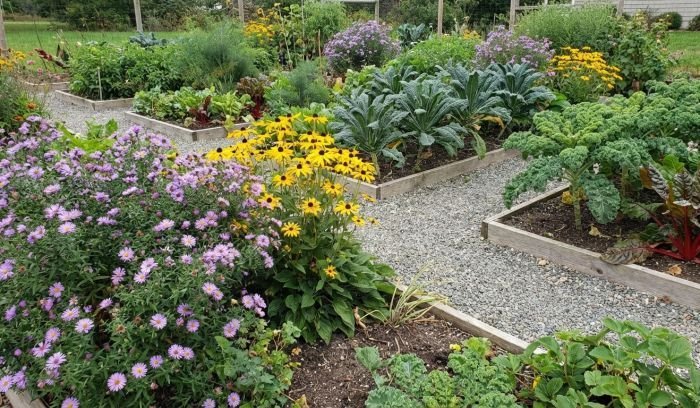
Garden planning and design often looks finished in June, then feels thin by October. A bed that was packed with blooms can turn into bare patches, messy stems, and awkward gaps right when you still want the yard to feel inviting. Small early choices like plant timing, spacing for mature size, and where access runs end up deciding how much work piles up later. A year-round plan keeps the garden looking intentional in every season, cuts replanting, and makes maintenance feel predictable instead of constant catch-up.
Key takeaways:
- Plan for winter structure before chasing spring flowers.
- Set layout first, then plant into fixed access routes.
- Choose backbone plants that look good without blooms.
- Stagger interest so one season never carries the whole garden.
- Place edibles where picking stays easy and visually tidy.
Table of Contents
Why Most Gardens Lose Impact After the First Season
The drop-off usually becomes obvious around the second summer. Beds look full in year one, then spacing tightens, colors clash, and bare patches show up where nothing was planned to carry on. Early choices lock in how the garden ages, even when everything looks successful at planting time.
Short-term planting habits
First-year gardens often lean on fast fillers. Annuals, young perennials, and nursery-sized shrubs mask spacing issues for a while because root systems have not expanded yet. After 12-18 months, growth catches up. Canopies overlap, airflow drops, and maintenance time climbs because pruning turns into damage control.
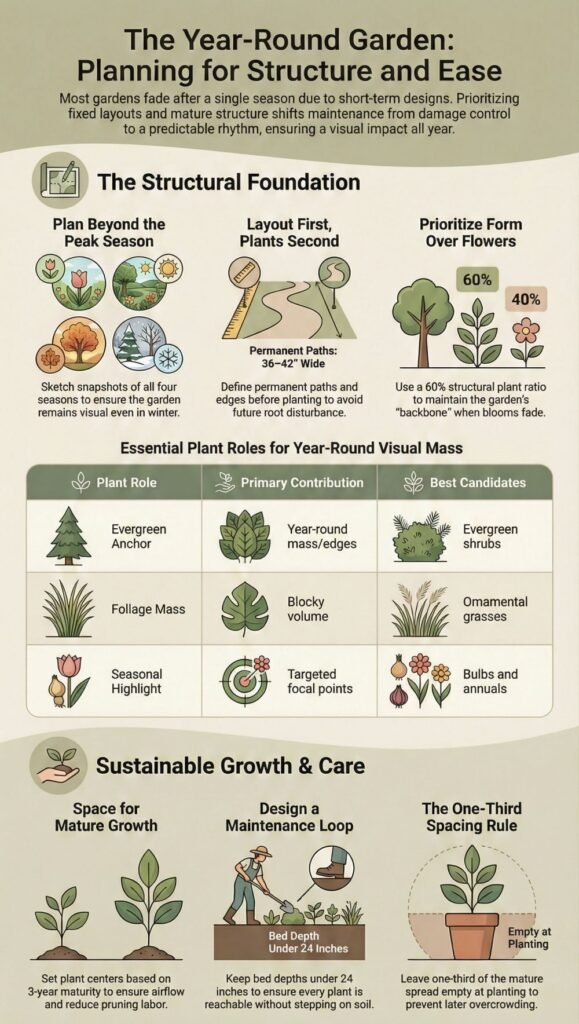
I often notice that beds planted edge to edge during the first season start failing along the soil line by mid-summer in year two. Lower leaves yellow, irrigation pools unevenly, and weeds take hold where light no longer reaches. Spacing for mature width avoids most of that cleanup later. A simple rule holds up well in the field – leave at least one-third of the mature spread empty at planting, even when the bed looks unfinished.
Short-term plant mixes also skew care schedules. A bed built around quick color needs frequent feeding and replacement. A bed anchored by longer-lived plants settles into a slower rhythm that fits real maintenance windows.
Seasonal gaps that appear later
Seasonal gaps rarely show up during spring walkthroughs. They appear after the first winter or late summer heat cycle, when bloom-heavy sections go dormant at the same time. Without structure behind them, entire zones lose definition for months.
Look for warning signs during the first fall. If a bed relies on foliage that collapses below 40 F or cuts back entirely after flowering, visual mass drops fast. Hard edges blur. Paths feel wider. Soil exposure increases moisture loss and erosion.
Correcting gaps later costs more effort than planning for them early. Adding structure plants after the fact often means root disturbance and regrading. Planning at least one non-flowering anchor per 6-8 linear feet keeps the layout readable year round and reduces seasonal rework.
When gardens hold shape outside peak bloom, upkeep shifts from rescue to routine. That change alone determines whether a space matures cleanly or keeps cycling through repairs.
Seasonal Garden Planning for the Full Year, Not One Weekend
A garden can look dialed in after a spring refresh, then feel flat when heat, leaf drop, and low light arrive. Planning around the full calendar keeps beds readable in every month, so maintenance stays manageable and the yard keeps a finished look without constant reworking.
Thinking in seasonal layers
Planning in layers keeps decisions clear because each layer has a job that stays stable when flowers fade.
Start with a backbone layer that defines the space in every season, then add a seasonal layer that rotates interest, then finish with a filler layer that can change without breaking the design.
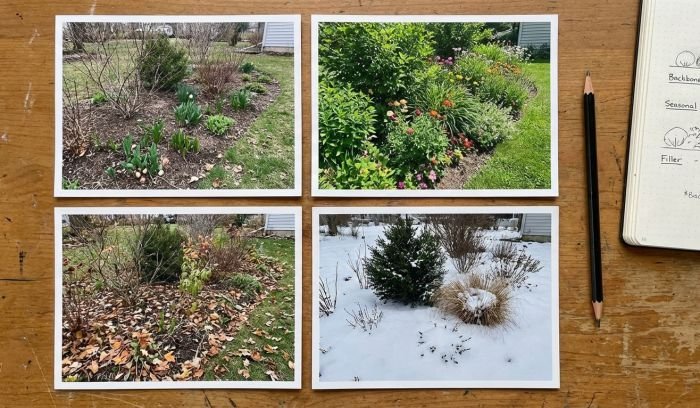
When I map a bed, I sketch four quick snapshots of the same view – early spring, mid-summer, late fall, mid-winter. If one snapshot looks empty, the design needs a structural fix, not more short-lived color.
- Backbone – structure and shape that reads at a glance
- Seasonal – bloom, foliage, and texture that changes over months
- Filler – short-term plants that plug gaps without crowding later
- Ground layer – soil coverage that reduces weeds and splash-up
Visual anchors beyond bloom
Anchors keep a bed from collapsing visually because form stays visible when color drops out.
Think in shapes and repeat them. One upright form, one rounded form, one low spreading form, repeated in a predictable rhythm, gives the eye something to follow even on gray days. Texture matters as much as size. Fine foliage reads as haze at a distance, while coarse leaves and strong branching stay legible from 20-30 feet.
Insider tip – Stand at the main viewing spot and take a photo at 25 feet back, then zoom out until the bed sits small on the screen. If plant masses disappear into noise, increase the number of bold forms and reduce tiny mixed textures.
Balancing ambition with upkeep
Ambition fails when care needs do not match real time. A design packed with high-feeding annuals and heavy deadheading can demand attention every 3-4 days during peak growth.
Use an if-then rule tied to actual routines. If watering happens only on weekends, limit containers and thirsty edging plants near hard surfaces. If pruning time is once per month, choose plants that hold shape between cuts rather than plants that flush unevenly after trimming.
Watch for failure signals early in the season. A bed that needs constant staking, repeated edging cleanup, or frequent replanting is sending a workload warning. Reducing plant variety by a small amount often improves visual unity and cuts maintenance hours without losing interest.
A full-year plan earns trust over time because each season has a role, and the garden stays functional without heroic effort.
Garden Layout Design Choices That Keep a Garden Working
A layout can look fine on planting day, then turn into a squeeze once plants bulk up and routine work begins. Poor access shows up fast – hoses snag, mulch gets tracked, and pruning becomes awkward. A clean layout keeps daily tasks simple, so the garden stays maintained without shortcuts.
Fixed elements before planting
Permanent elements need a decision first because every plant choice depends on where people walk, sit, store tools, and move materials.
Lock in entry points, routes, and any hard edges before placing a single plant. A path that shifts later usually means root disturbance and patched soil. Keep main routes wide enough for real use. A practical target is 36-42 inches for a primary path, with 24-30 inches working for secondary paths where traffic stays light.
I often notice that layouts drawn without a staging spot create a messy routine. Bags of mulch land on lawn, tools pile near doors, and repeated trips compact soil near beds. A 4 ft by 4 ft staging pad near the work area reduces traffic and protects planting zones.
Spacing for mature growth
Spacing needs to match the plant at year three, not the plant in a gallon pot.
Start with mature width and hold a buffer. For shrubs, a simple rule prevents crowding – set plant centers at 60-70 percent of the mature spread when a tight look matters, and closer to full mature spread when low maintenance matters more.
Crowding causes more than tangled branches. Dense canopies reduce air movement, so leaf diseases rise and interior growth weakens. When removal becomes necessary, the cut often exposes bare ground and breaks the original shape. One early spacing decision saves years of pruning labor and replacement work.
Access and maintenance routes
Access planning ties directly to how often a space receives care. If routes are awkward, work gets delayed and problems stack up.
Set a clear maintenance loop. A loop means a person can reach every bed edge without stepping into planting zones. A simple test works in the field – stand where a person will work and reach into the bed. If the far edge sits beyond about 24 inches, add access from another side or narrow the bed.
A layout that supports routine care usually follows a few clean rules.
- Keep hose routes direct, with minimal tight turns
- Avoid dead-end bed corners that trap leaves and debris
- Place high-care plants close to regular walkways
- Leave turning space near gates and sheds for carts
Good layout choices stay invisible when everything runs smoothly, yet those choices control whether upkeep feels like a quick loop or an obstacle course.
Plant Selection for a Year Round Garden That Holds Shape
Beds fall apart visually when plant choices depend on bloom alone. Once flowers finish, plant form and leaf presence carry the scene, so planning needs a backbone that stays readable in heat, rain, and winter dormancy.
Structural plants as the backbone
Structural plants keep the layout legible because mass and outline stay visible when color drops out.
Aim for repeatable forms across the bed. Upright shapes set rhythm, mounded shapes fill volume, and low spreading shapes tie edges together. A reliable ratio in mixed borders is about 60 percent structure to 40 percent seasonal performers, measured by planted area, not plant count.
Micro-data rule that holds up in the field – every 8-10 feet of border benefits from at least one anchor plant that stays visually present for 9-12 months of the year. Without that anchor, gaps show up fast after the first hard frost or summer bloom flush.
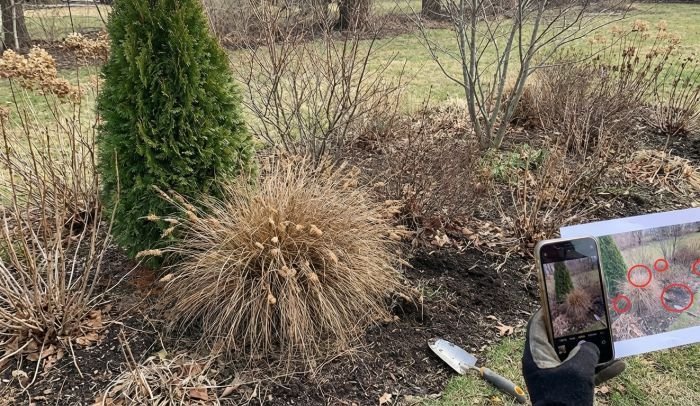
Insider tip – Take a photo of the bed in late winter, then mark the spots where bare soil shows for more than 3 feet in any direction. Add one anchor plant per marked zone, then keep seasonal flowers as a lighter layer around the anchor.
Using foliage and form deliberately
Foliage does the heavy lifting across seasons because leaf size, texture, and density change how a bed reads at distance.
Big leaves read as blocks. Fine leaves read as haze. Dense branching reads as structure. Mixing too many fine textures creates visual noise, especially beyond 20-30 feet, where the border needs clear shapes instead of detail.
Use an if-then rule for selection. If a plant looks good only during bloom, treat it as a seasonal performer and keep it in smaller groups. If a plant looks good in leaf, in stem, or in winter outline, treat it as structural and repeat it.
| Plant role | Most useful season | What it contributes | Common candidates |
|---|---|---|---|
| Evergreen anchor | Winter, early spring | Year-round mass, edge definition | evergreen shrubs, broadleaf evergreens |
| Deciduous structure | Late fall, winter | branching silhouette, spacing rhythm | multi-stem shrubs, small trees |
| Foliage mass | Summer, shoulder seasons | blocky volume without flowers | large-leaf perennials, ornamental grasses |
| Seasonal highlight | Peak bloom windows | targeted color, focal points | flowering perennials, bulbs, annuals |
| Ground cover | Spring through fall | soil coverage, weed pressure reduction | low perennials, spreading plants |
Plant roles prevent overbuying. When each plant has a job, the border keeps a clean outline across the calendar and seasonal color stays easier to manage.
Designing an Edible Garden for Consistent Yield Without Visual Chaos
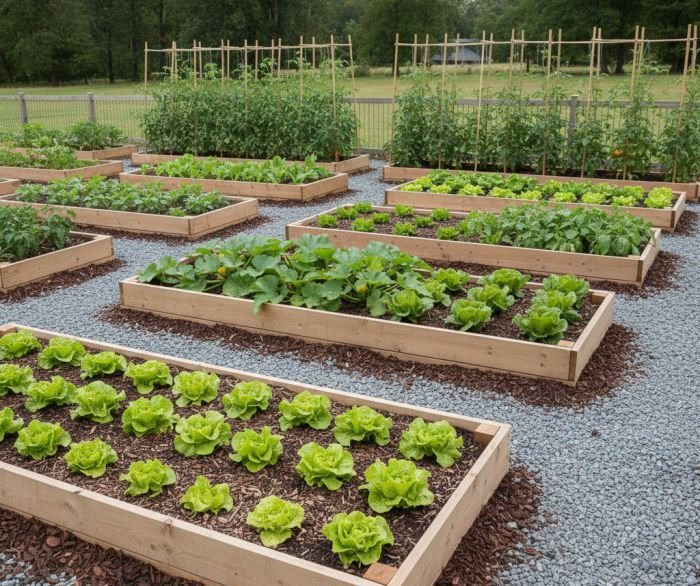
Food beds can look messy fast. Oversized leaves flop into paths, bare soil shows between harvests, and temporary supports start to dominate the view. A clean plan treats edibles like design elements with predictable placement and repeatable routines.
Integrating edible plants visually
Edible planting looks intentional when shapes repeat and edges stay clean, because the eye reads structure before it reads variety.
Keep the highest turnover crops inside defined frames. Raised beds, simple in-ground rectangles, or clean-edged rows reduce visual spill and make replanting less noticeable. A narrow bed also improves appearance because foliage stays within boundaries. A practical range is 3-4 ft bed width when access comes from both sides, with 2-2.5 ft working for beds against a fence.
I often notice that mixed edible borders fail when harvest timing varies too much. One section empties early, another stays dense, and the bed starts to look patched. Group edibles by harvest window and keep a consistent edge plant or mulch line so the bed keeps a finished outline even when a section turns over.
Use an if-then rule for placement. If a crop needs staking or frequent picking, place it near the most-used route. If a crop sprawls, push it to corners or outer edges where foliage can expand without blocking movement.
Succession thinking for harvest flow
Succession planting means repeating small plantings on a schedule so harvest keeps moving, instead of peaking once and dropping off.
A simple cadence works in many home gardens. Plant a small section every 10-21 days for fast crops, then reserve a separate block for long-season crops that occupy space for months. That split prevents the common failure where a single planting fills a bed, finishes at once, then leaves empty soil.
Maintenance stays easier when turnover has a rhythm. Soil disturbance happens in smaller zones, pests have fewer large targets, and irrigation stays consistent because the bed never shifts from full canopy to bare ground overnight.
- Keep one bed for repeat sowing cycles
- Keep one bed for long-season occupants
- Replant empty spots within 7 days of harvest
- Maintain consistent mulch coverage between plantings
A productive garden stays attractive when planting cycles stay controlled and bed edges stay readable, even during peak harvest.
Adjusting Garden Planning for Microclimates, Space, and Real Life
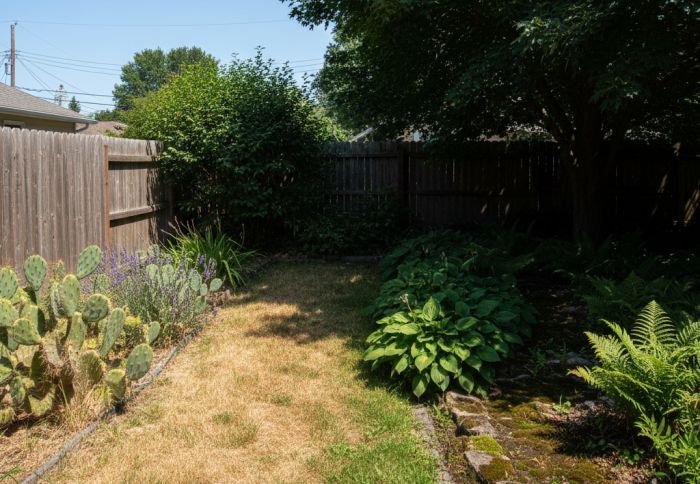
A plan can look perfect until a corner stays wet after rain, a south wall bakes in July, or a narrow gate turns every mulch run into a hassle. Real gardens run on exposure, access, and time. Small adjustments early keep plants healthier and keep maintenance from turning into constant correction.
Microclimates within one garden
Microclimates show up where sun patterns, wind exposure, and reflected heat change over short distances.
Walk the site at three times on a clear day – mid-morning, mid-afternoon, and near sunset. Shade lines move more than most people expect, especially near fences and trees. A shift of 2-3 hours of direct sun can separate strong growth from thin, stretched stems.
Heat islands matter in summer. Dark mulch, stone edging, and walls can raise leaf and soil temperatures enough to increase water demand and stress. Wind exposure also changes the equation. A breezy corner dries faster after irrigation, so wilting can appear even when soil feels damp a few inches down.
Insider tip – Use a cheap outdoor thermometer and take readings in sun and shade on the same day. A consistent 8-12 F difference points to a placement issue that needs tougher plants, added shade, or a change in watering pattern.
Constraints of small or urban spaces
Small gardens magnify every decision because mistakes have nowhere to hide.
Scale drives layout. In tight yards, oversized shrubs eat circulation space and force constant pruning. Containers add flexibility, yet containers raise maintenance demand because soil volume is limited and dries faster in heat and wind. Wind tunnels between buildings can shred soft foliage and snap tall stems, so staking and plant choice need to match exposure.
You can notice that balcony and courtyard gardens fail at the edges. Plants sit hard against walls and railings, then airflow drops, pests build up, and mildew becomes a repeating problem. Leaving a 4-6 inch air gap between foliage and solid surfaces reduces disease pressure and makes inspection easier.
Planning for long-term maintenance
Maintenance planning works best when time limits shape plant choices, not the other way around.
Match the garden to a realistic cadence. If a person checks the garden twice per week, select plants that hold form between visits and avoid designs that require daily deadheading or frequent tying-in. If watering stays manual, reduce thirsty plant density and keep irrigation zones simple so watering becomes a repeatable loop.
Watch for early warning signals. Constant staking, weekly pruning to keep paths open, and repeated pest flare-ups usually mean plant selection or spacing does not match the site. Small changes compound over seasons. Swapping a few high-care plants for tougher performers often cuts maintenance time without changing the overall look.
A garden that fits the site and the schedule stays attractive longer because plant health stays stable and routine care stays predictable.
Conclusion
Before planting or changing anything, pause for a short field check. Spend 15-20 minutes walking the garden with a notebook, noting where soil stays wet longer than 24 hours after rain, where leaves scorch by early afternoon, and where routine access feels awkward. If a spot shows two or more stress signals, then plant choice or layout needs adjustment before the next season starts. Small corrections made early prevent years of pruning, replanting, and frustration.
Long-term success comes from setting a realistic rhythm. If weekly attention feels manageable, then plant density and variety can stay moderate. If visits drop to every other week, then spacing, tougher plants, and simpler layouts reduce failure risk. A reliable cadence helps spot problems early, like repeated wilting in the same zone or constant edge collapse, and fixes stay simple rather than disruptive.
- Walk the site seasonally and note stress patterns
- Adjust plant spacing before crowding starts
- Match care routines to available time
- Recheck access paths during active growth
- Correct one problem area per season
FAQ
How far ahead should a year-round garden plan look
A useful planning window covers 18-24 months. Many layout and plant spacing issues only appear after the second growing season, once roots expand and maintenance patterns settle. Planning beyond one season helps avoid overcrowding, access problems, and uneven seasonal performance.
Can you plan a year-round garden without knowing every plant name
Yes. Start with roles rather than species. Decide where structure, seasonal color, ground coverage, and edible production need to sit. Once each zone has a role, plant selection becomes easier and substitutions stay possible without breaking the layout.
What happens if plant spacing feels too open in the first year
Open space often signals correct planning rather than a problem. Beds usually close in within 12-18 months as roots establish and canopies widen. Filling gaps too early often leads to later removals, extra pruning, and disrupted airflow.
How do you test whether a garden layout will work long term
Walk all main routes during routine tasks like watering or harvesting. If hoses snag, turns feel tight, or bed edges require stepping into soil, layout adjustments are needed. A workable layout allows every task without compressing planting areas.
Can you combine ornamental and edible planting without raising maintenance
Yes, when harvest timing and plant size are controlled. Group edibles by similar growth cycles and keep them inside defined edges. When turnover stays predictable, visual order remains intact and care routines stay simple.
What happens if microclimates are ignored during planning
Ignored exposure differences usually lead to uneven growth, repeated wilting, or recurring disease in specific spots. A consistent pattern of stress in one zone often points to sun, wind, or heat exposure rather than soil issues.
How often should a year-round garden plan be reviewed
A light review once per season works well. Look for repeated failures like plants needing constant support, beds thinning out at the same time each year, or access becoming tighter. Small seasonal adjustments prevent large corrections later.