


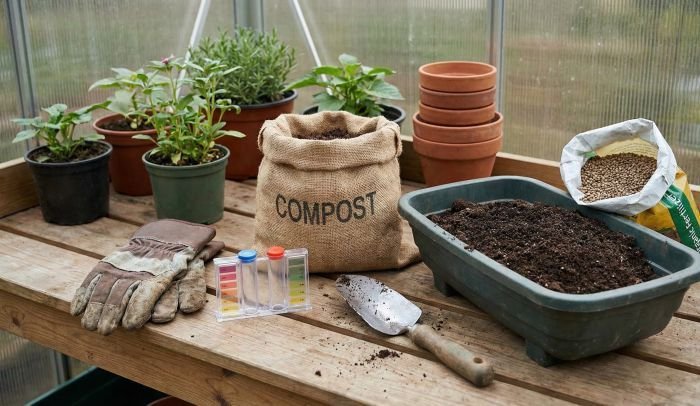
Soil health improvement starts when beds keep struggling even after careful watering and routine feeding. A patch that dries into a crust, puddles after rain, or feels hard under a trowel can quietly cap root growth and waste time on fixes that never stick. Soil problems often look like plant problems, so the goal is clarity first and effort second. Once soil condition is read correctly, a small shift in structure, organic inputs, and fertilization habits can reduce ongoing maintenance, avoid expensive over-corrections, and make results more predictable across seasons.
Key takeaways:
- Spot compaction early by how water sits after rain.
- Read soil texture by feel before buying tests.
- Improve structure first, then add nutrients with intent.
- Use organic matter regularly, not as a one-time fix.
- Feed soil life to reduce repeat problems and rework.
Table of Contents
Why Soil Health Sets the Limits of Your Garden
Dry patches that seal over after rain, puddles that linger for hours, or beds that never seem to respond to feeding all point to the same ceiling. Soil health controls how far effort can go before results flatten out. Water, seed choice, and routine care only work inside the boundaries set by soil condition, so problems repeat when those limits stay unaddressed.
In practice, poor soil shows itself long before plants fail outright. Water running off a slight slope instead of soaking in signals restricted pore space. A pale surface that turns hard between waterings suggests low organic content and weak aggregation. Roots struggling to reach beyond the top few inches reduce access to moisture during dry spells, which raises maintenance time and increases stress during heat. Soil with balanced structure buffers weather swings because air and water move through it at a controlled pace rather than all at once.
I often notice that gardens with recurring issues share similar soil behaviour even when plant types change. Beds that drain in under a minute after heavy watering tend to dry too fast in summer, while ground that stays glossy for half a day after rain often limits oxygen exchange around roots. Both cases slow nutrient uptake because roots rely on consistent moisture and airflow, not extremes. When soil fails at that basic level, adding more inputs only amplifies imbalance.
Healthy soil works as a regulator. Aggregates hold moisture while leaving channels for air. Organic residues feed microbes that convert raw nutrients into forms roots can absorb. Temperature shifts move slower through well built soil, which protects early growth in spring and reduces midday stress later on. Over time, that stability reduces corrective work because plants draw what they need with less intervention.
The practical takeaway stays simple. When soil allows water to enter within several minutes, dries without crusting, and supports roots beyond hand depth, garden work becomes predictable. When those signals fall outside range, effort goes up while returns drop. Addressing soil health early sets realistic expectations for every choice that follows.
Reading Soil Condition Without Tools or Assumptions for Better Soil Quality
A bed can look fine at a glance, then work against every planting decision. Soil quality shows up in small field signs during normal tasks like watering, raking, and pulling weeds. Reading those signs early saves time and prevents wasted inputs.
Surface and texture clues
Surface cues give fast feedback, because the top layer records every watering and dry spell.
A quick check starts with a handful taken from 2-3 inches down after a normal irrigation or rainfall. Rub soil between thumb and fingers. A gritty feel points to sand dominance, which usually means fast drainage and faster drying. A slick feel that smears suggests high clay content, which often pairs with crusting and slow infiltration. Darker soil color usually tracks with higher organic content, therefore better aggregation and a wider moisture range.
Use simple field signals as a decision checklist:
- Crust that forms within 24 hours of watering suggests weak aggregation
- Powder-dry soil under a damp surface points to uneven wetting
- Clods that stay hard after a day of moisture point to compaction
- Fine dust that blows or washes easily signals low organic content
Moisture behaviour after watering
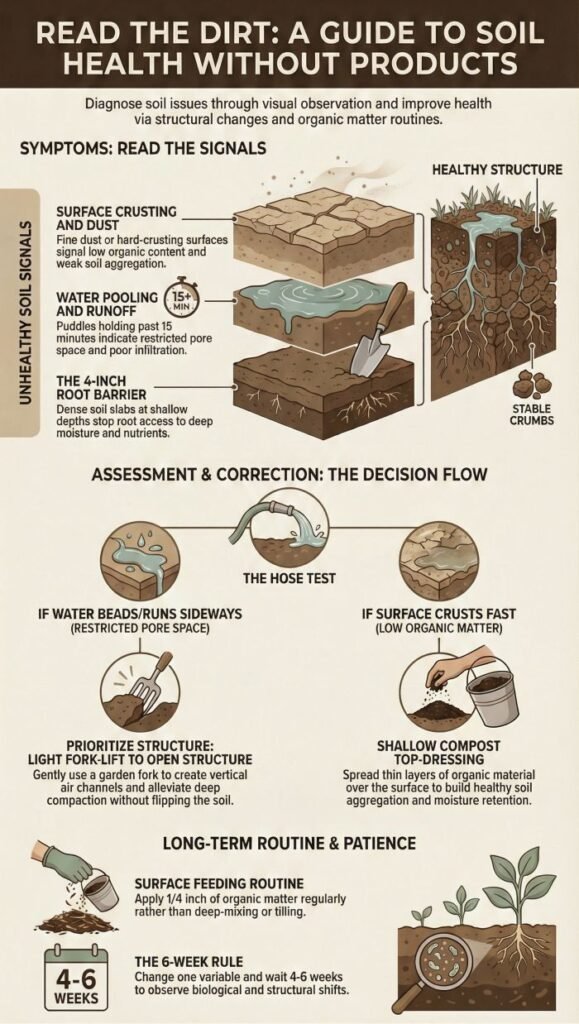
Water movement tells the truth because it reveals pore space. A practical field test uses a slow soak rather than a blast. Run a hose at low flow for 10 minutes over a 1-2 sq ft area, then watch the surface for the next 15 minutes. Puddling that holds past that window usually signals limited infiltration. Water that disappears almost instantly can signal sandy soil or dry channels that bypass root zones, especially on slopes.
Use a simple rule: If water beads and runs sideways, focus shifts toward structure work before feeding. If water soaks in but the surface stays damp for half a day in mild weather, oxygen exchange often becomes limited after heavy rain. Both patterns raise disease and stress risk because roots depend on air and moisture balance rather than saturation or drought.
What basic soil tests actually tell you
What are the key indicators of soil health? The most useful indicators combine field signs with test numbers that match what happens in the bed.
A pH strip or meter helps explain nutrient availability, because pH controls solubility. Most garden plants perform best when pH sits near the mid range, roughly 6.0-7.0, with predictable availability of nitrogen, phosphorus, and potassium. A test report showing high nutrients can still pair with weak growth when field signs show compaction or poor drainage, since roots cannot access nutrients without functioning pore space and oxygen.
Home test kits help with trend tracking. Running the same test in spring and again in late summer often shows whether organic additions and watering habits changed conditions. Lab tests earn the effort when repeat problems show up in the same bed year after year, because base saturation and organic matter percentages guide smarter inputs later without blind additions.
A clean read comes from matching numbers to real behavior. Soil quality becomes actionable when texture, water movement, and test results point in the same direction.
Fixing Structure First to Improve Garden Soil
Regular feeding does little when soil packs tight. Compaction restricts air and water movement, which limits root access to moisture and nutrients. Addressing structure first keeps later inputs in the root zone instead of washing past it or lingering on the surface.
Compaction and root restriction
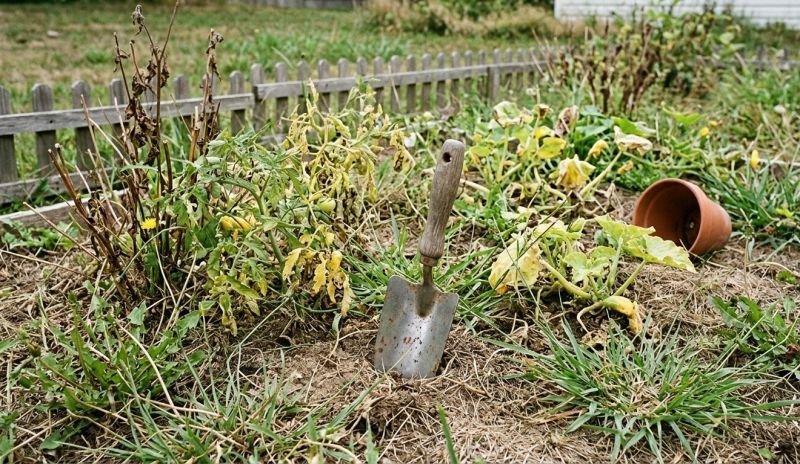
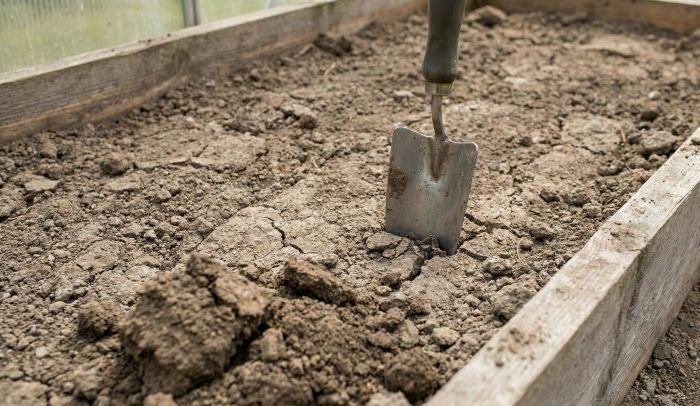
Compaction shows up as shallow roots, hard digging, and water sitting longer than expected after a normal soak. Soil density rises fastest where foot traffic repeats, where clay dominates, or where beds get worked when wet. A simple field check uses a hand trowel or soil knife. If tool pressure stops at 3-4 inches and the layer below feels like a dense slab, roots usually stop there too.
Keep decisions binary: If compaction blocks hand tools, skip feeding and focus on opening structure because fertilizer salts and nitrogen can concentrate near the surface. If roots circle and mat near the top, watering needs go up fast in warm weather because deeper moisture stays out of reach. A garden bed with restricted rooting depth becomes a maintenance job instead of a growing system.
How organic inputs change structure over time
What techniques do you use to improve soil health? Structure improves when organic inputs increase aggregation, because decaying residues bind mineral particles into stable crumbs that hold water without sealing. Results rarely show up in a weekend. Most beds need 8-12 weeks of normal wet-dry cycles before texture starts breaking apart more easily.
Insider tip – Apply organic material in repeated shallow layers instead of deep one-time mixing.
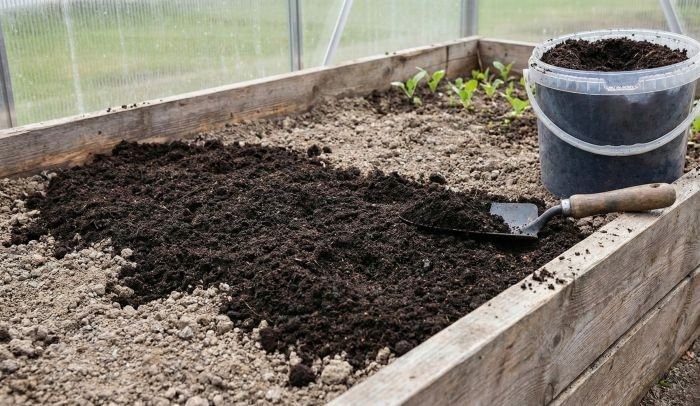
A thin application, roughly a quarter inch at a time on the surface, works well because earthworms and irrigation move carbon downward gradually. Deep turning can collapse existing pore channels and bring up raw subsoil that sets like brick after drying. A light fork lift to loosen the top layer often beats aggressive tilling, especially in clay.
Structure work has a clear payoff. Water starts soaking in with fewer puddles, roots push deeper, and fertilization becomes more predictable because roots can reach nutrients and moisture across a larger volume of soil.
Compost and Organic Matter as Ongoing Inputs
A bed that starts to darken and break into crumbs usually had repeat organic inputs, not a single overhaul. Compost works best when treated like maintenance, because soil changes on wet-dry cycles and biological turnover, not on a weekend. Long-term inputs reduce extremes, so watering and feeding become easier to manage.
What compost contributes beyond nutrients
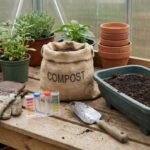
What is the best way to improve my garden soil? Regular compost applications rank near the top because compost changes structure and biology at the same time, therefore plants get more consistent root conditions even when weather swings. Compost improves aggregation, which keeps soil from sealing into a crust after rain. Compost also increases moisture holding without turning beds soggy, because stable crumbs keep air channels open while holding water on particle surfaces.
A finished compost layer usually shows results as darker soil color and easier cultivation after several weeks of normal irrigation. A practical threshold helps avoid disappointment. Expect noticeable handling improvement after 2-3 months in warm seasons, longer in cold weather. Beds with low organic content usually respond faster than beds already amended for years, since early gains come from filling a clear deficit.
Matching organic inputs to soil needs
Organic material choice matters because inputs behave differently once wet and worked.
A thin compost topdress fits most beds because it spreads evenly and breaks down at a predictable pace. Leaf mold suits sandy beds because water retention rises without adding much nutrient load. Aged manure fits heavy feeders and depleted beds, yet manure requires caution around salts and unfinished material.
If-then rules prevent common imbalance. If soil stays wet and clods easily, use lighter compost and avoid heavy manure layers that can keep surfaces dense. If soil dries quickly and blows into dust, leaf mold or screened compost reduces drying speed while improving tilth. If weeds pop aggressively after adding organic inputs, compost maturity and feedstock quality usually need scrutiny.
Surface feeding versus incorporation
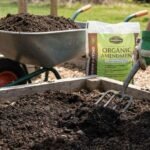
Surface feeding works well for established beds because rainfall, irrigation, and soil life move particles downward gradually. A top layer of about one half inch per season keeps inputs manageable and avoids disruption of existing pore channels built during structure work.
Incorporation fits new beds or major resets when soil is already loose. Mixing compost into the top 4-6 inches spreads carbon through the root zone faster, yet aggressive turning can break existing aggregates in clay soils. A light fork-in approach often keeps structure intact while distributing material enough for early growth.
Organic inputs work best as a habit. Consistent small applications build soil capacity over time and reduce the need for big corrections later.
Fertilization That Builds Soil Fertility Without Side Effects
Surface growth can signal deficiency, then respond poorly after feeding. Leaf edges scorch, stems soften, or irrigation leaves a faint residue line after runoff. Fertilization supports soil fertility only when moisture, oxygen, and biological activity stay within workable ranges.
Nutrient presence versus availability
A soil test can show nutrients present, yet uptake still lags because roots need water films and oxygen to pull ions into root tissue. Compaction and saturation reduce oxygen, therefore nutrient transport slows even when numbers look fine on paper.
A simple field rule helps. Apply any granular feed, then water enough to move material into the top few inches without flushing past the root zone. A light soak followed by a second pass 20-30 minutes later often works better than one heavy watering, especially in tight soils where water channels form quickly.
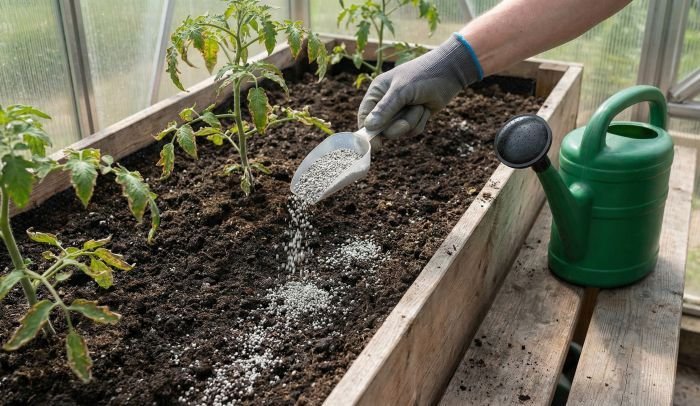
Which is better, NPK or DAP? General purpose NPK products fit maintenance feeding because they spread nutrients in smaller proportions. DAP pushes phosphorus and nitrogen fast, so DAP tends to fit a targeted correction after a confirmed deficit. Most gardens get better results when fertilization follows a test result or a repeat symptom rather than calendar habits.
I often notice that beds receiving frequent feeding show declining structure over time, especially when watering stays shallow and salts build near the surface.
Risks of over-application
Over-application causes predictable failure signals. Leaf burn often shows within 24-72 hours after feeding, especially in warm weather or dry soil. Runoff residue on hard soil surfaces often follows repeated surface applications that never move into the root zone.
A short misuse list helps spot patterns before damage compounds.
- Granular feed applied to dry soil, then watered lightly
- High nitrogen repeated after weak growth tied to poor rooting depth
- Quick-release products used during heat waves
- Feed applied right before heavy rain
Cost and effort rise fast after overfeeding. Extra watering becomes necessary to dilute salts, yet that watering can worsen saturation problems in poorly structured beds. A better approach uses smaller doses spaced out, with a pause after each application to watch plant response and soil behavior.
Fertilization stays predictable when applied as a light correction and paired with root-zone conditions that allow uptake.
Soil Health Improvement as a Routine You Can Maintain
A garden bed can look better after one round of work, then slide back a month later. Soil responds on a delay because moisture cycles, biological turnover, and root growth take time. Soil health improvement holds when actions follow a repeatable rhythm rather than constant adjustments.
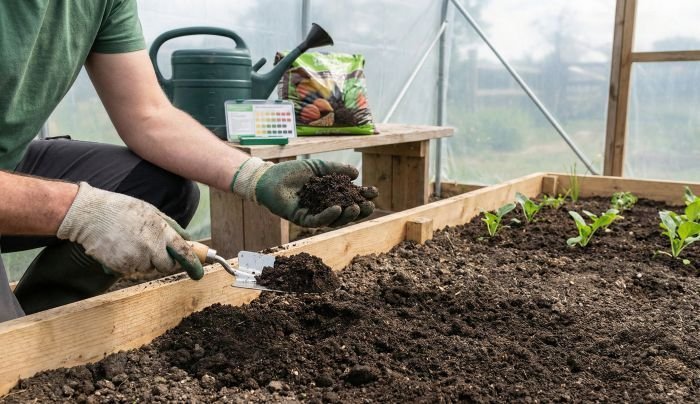
What are the methods of soil improvement? Most methods fall into three buckets that work together over seasons – structure management, organic inputs, and targeted feeding. A simple cadence works in real gardens. Run a hands-on check at the start of spring, then repeat midseason after peak growth, then again in fall before beds rest. Look for root depth when pulling spent plants, check how fast water enters after a normal watering, and watch for crust formation after rain. If one signal moves the wrong direction for two checks in a row, adjust one variable and leave the rest alone for 4-6 weeks so results stay readable.
Keep effort proportional to the problem. Minor crusting and fast drying usually respond to regular organic topdressing and better watering depth. Persistent puddling, hard digging, or shallow roots usually call for structure work first, then lighter feeding. Fertilizer use stays safer when doses stay small and spaced out, because soil function improves faster when salts and quick surges stay limited. Track one bed as a reference each season. A consistent reference spot prevents overcorrection and keeps the plan grounded in visible outcomes rather than assumptions.
A long-term plan works when the garden gets fewer changes, each change gets time to work, and soil signals guide the next move.
Conclusion
Confidence comes from setting limits on how often soil gets adjusted. If a bed shows no visible change after 6-8 weeks of normal watering and weather, pause further inputs and recheck structure and drainage before adding anything else. When roots reach deeper each season and water enters within a few minutes of irrigation, soil health improvement stays on track without extra effort. If leaf color fades while moisture and rooting depth look good, a light feeding makes sense. If growth stalls while soil stays tight or puddled, structure work still leads the list.
A simple routine keeps decisions clear. Walk beds once a week and look for one signal only, either surface sealing, runoff lines, or root depth on pulled plants. Change one variable at a time and give it a full month to show results. Chasing quick fixes usually raises costs and workload, while small corrections applied on a schedule build soil that behaves predictably year after year.
- Check water entry after a normal soak
- Pull one plant to inspect root depth
- Adjust one input per month
- Pause feeding during heat stress
- Reassess beds at seasonal shifts
FAQ
Can you improve soil health without turning the soil every season?
Yes. Leave soil undisturbed and focus on surface inputs and moisture control. When water enters within 5-10 minutes and roots extend deeper each month, structure improves without digging. Turning soil repeatedly often collapses pore space and delays progress.
What happens if soil stays wet for days after rain?
Prolonged surface wetness usually signals restricted airflow. Roots lose access to oxygen after 24-48 hours of saturation, which slows nutrient uptake. Improve drainage first and delay feeding until water movement normalizes.
How often should soil be checked once a routine is in place?
A visual and tactile check every 2-3 weeks works well during active growth. Seasonal reviews in early spring and early fall help confirm whether adjustments paid off or need refinement.
Can you rely on compost alone for soil fertility long term?
Compost supports soil biology and structure, yet some gardens still need targeted feeding after heavy harvests or repeated leaching. When leaf color fades despite good rooting depth and moisture balance, light supplementation helps restore soil fertility.
What happens if fertilizer keeps getting added but growth stays weak?
Repeated feeding without response often points to compaction or poor drainage. Nutrients remain present yet unavailable when roots cannot reach air and water. Pause feeding and correct structure before adding more inputs.
How can you tell when soil quality has improved enough to stop adjusting?
Stop changes when roots consistently reach beyond hand depth, water enters evenly, and surfaces resist crusting after rain. Maintain inputs at lower rates once those signals hold through a full season.
Can you damage soil by changing too many things at once?
Yes. Multiple adjustments blur cause and effect. Change one factor, then wait 4-6 weeks to read soil response. Clear spacing between actions keeps decisions grounded in visible results.
What happens if organic material is added faster than soil can break it down?
Excess raw material can tie up nitrogen and slow early growth. When soil feels spongy and cool well into warm weather, reduce input rate and allow biological activity to catch up before adding more.